DOJ signals it will appeal ruling requiring removal of some redactions in Epstein files

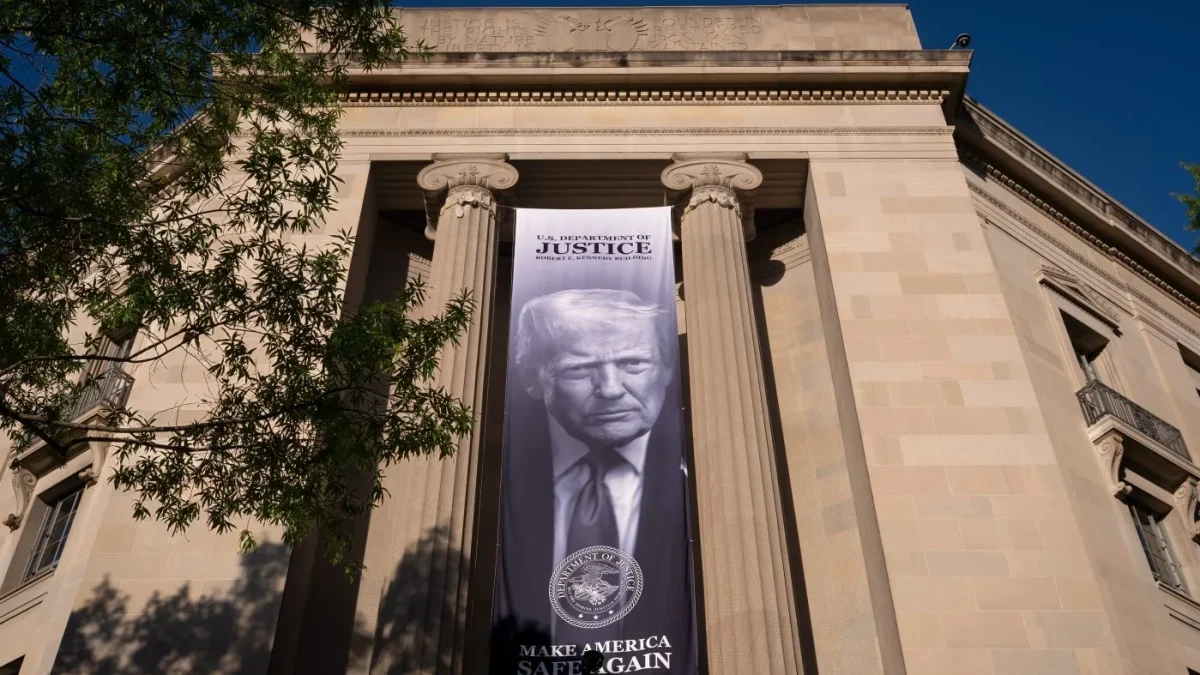
Table of Contents
Justice Department Files Protective Appeal Against Epstein Files Unredaction Order
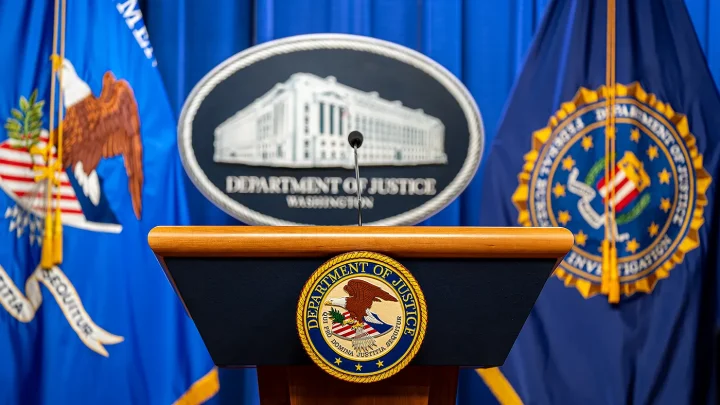
Provpnadvice.com – The Department of Justice has formally signaled its intention to challenge a federal court order compelling the release of previously redacted material from the Jeffrey Epstein files. The move, filed Monday, comes in a lawsuit initiated by attorney and independent journalist Katie Phang, who has pressed the government for months to disclose correspondence and interview records tied to the late financier’s sprawling network of associates and alleged victims.
The appeal notice is narrow in scope. It does not lay out substantive legal arguments or preview the department’s expected defenses. Instead, it satisfies a procedural deadline: U.S. District Judge Emmit Sullivan had granted the government sixty days to file an appeal of his June preliminary injunction. The DOJ’s filing meets that window without elaborating on the merits.
A Preliminary Injunction With Teeth
The underlying order, entered in June, directs the Justice Department to strip redactions from specific documents within the Epstein files. Among the targeted materials are at least eight email exchanges between Epstein and an unidentified correspondent discussing what was described as a “torture video” and sexual activity involving young women, including minors. The order also reaches interviews conducted by federal agents with a woman who stated she was abused by President Trump while still a minor.
Under the terms of the injunction, the department faces a binary choice: produce the unredacted documents or file a “show cause” explanation detailing why compliance is impossible. The ruling was designed to prevent further delay after what the court characterized as prolonged noncompliance with earlier disclosure directives.
Uncertainty Wrapped in Procedure
What distinguishes this appeal notice from a conventional filing is its candid acknowledgment of institutional doubt. The DOJ describes the matter as “inconclusive” and labels its own submission a “protective notice of appeal.” In practical terms, the department is preserving its appellate rights while simultaneously signaling that it is not confident it possesses a viable path to overturn the order. The language suggests internal deliberation remains unresolved about whether the appeal will be briefed and argued on the merits or simply allowed to lapse.
The department has previously articulated several justifications for maintaining the redactions. Among them: the blacked-out passages protect the identities of victims and contain contact information for individuals who communicated with Epstein. The government’s position is that revealing such details would expose private persons to unwanted public scrutiny or contact, particularly given the intense media and public interest surrounding the Epstein matter.
The Sultan Ahmed bin Sulayem Revelation
Some of the information Phang sought has since entered the public record through other channels. Notably, it was confirmed that Sultan Ahmed bin Sulayem, the longtime chairman of Dubai Ports World, was the correspondent emailing Epstein about the torture video. The DOJ itself acknowledged this development in a response filed with the court.
“Given this and widespread media attention as to the purported identity of the sender of this email—information Plaintiff could have readily obtained with a simple internet search—unredacting the email address would not only be inconsistent with how other private email addresses have been treated; it would serve no purpose beyond sharing that private email address,” the DOJ wrote in responding to Phang.
The argument is that once the identity is publicly known, the marginal value of disclosing the actual email address is negligible. Critics of that position, however, note that the email address itself may reveal routing details, domain ownership, or other metadata not captured by a name alone.
The Trump Interview Documents
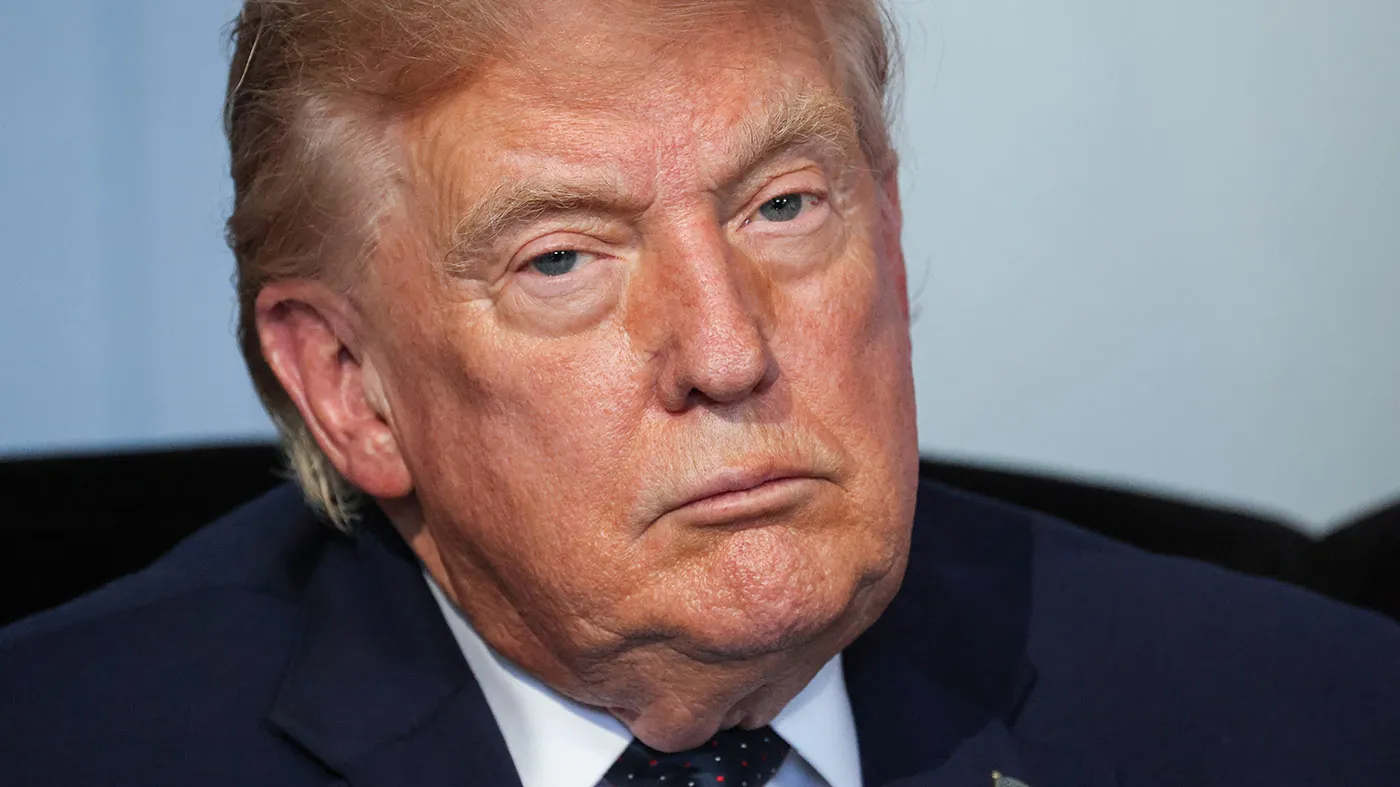
Separate from the email exchanges, Phang’s suit pressed for fuller disclosure of a tranche of documents detailing FBI interviews with a woman who alleged that Trump violently attacked her as a minor. These records sit at the intersection of two of the most closely watched stories in American public life: the Epstein investigation and the ongoing scrutiny of Trump’s conduct. The DOJ’s continued redaction of interview details has drawn particular scrutiny because the interviews implicate a sitting president’s personal history.
Judicial Frustration
Judge Sullivan has grown openly impatient with the department’s pace of compliance. During a recent hearing earlier this month, he rebuked prosecutors for failing to honor his initial order and reminded them that he has held attorneys in contempt in prior matters.
“You want me to issue another order and say, ‘I really mean it this time’?” Sullivan said during the hearing, according to NBC News.
The remark underscored a broader tension in federal litigation involving executive-branch clients: judges who issue disclosure orders in cases of public interest often find themselves in repeated conflict with agencies that invoke privilege, secrecy, or administrative burden to slow compliance. Sullivan’s contempt warning signals that the court views further delay as a sanctionable act rather than a mere scheduling inconvenience.
Broader Implications
The Epstein files have become a focal point for questions about executive transparency, the scope of attorney-client and investigative privilege, and the limits of judicial authority over agency records. Phang’s suit, though brought by a single plaintiff, has attracted sustained public attention precisely because the documents at issue touch on figures of extraordinary political and economic prominence. The DOJ’s decision to file even a protective appeal—while simultaneously questioning its own ability to succeed—leaves the litigation in a liminal state: the appeal clock is running, but the substantive fight over who controls these records, and what the public is entitled to see, remains undecided.
For now, the June injunction stands. The sixty-day window has been met. What happens next—whether the DOJ briefs a full appeal, seeks a stay, or simply lets the protective notice expire—will determine whether the unredacted documents reach the public record or remain sealed behind another round of procedural maneuvering.
Related Reading
Frequently Asked Questions
What is DOJ signals it will appeal ruling?
DOJ signals it will appeal ruling is the main topic of this guide. The article explains the context, practical details, and next steps readers should understand.
Why does DOJ signals it will appeal ruling matter?
DOJ signals it will appeal ruling matters because readers are looking for a useful answer, not just a short summary. Good content should match search intent and help them decide what to do next.