Watch live: Bessent unveils ‘economic D-day’ sanctions on Iran

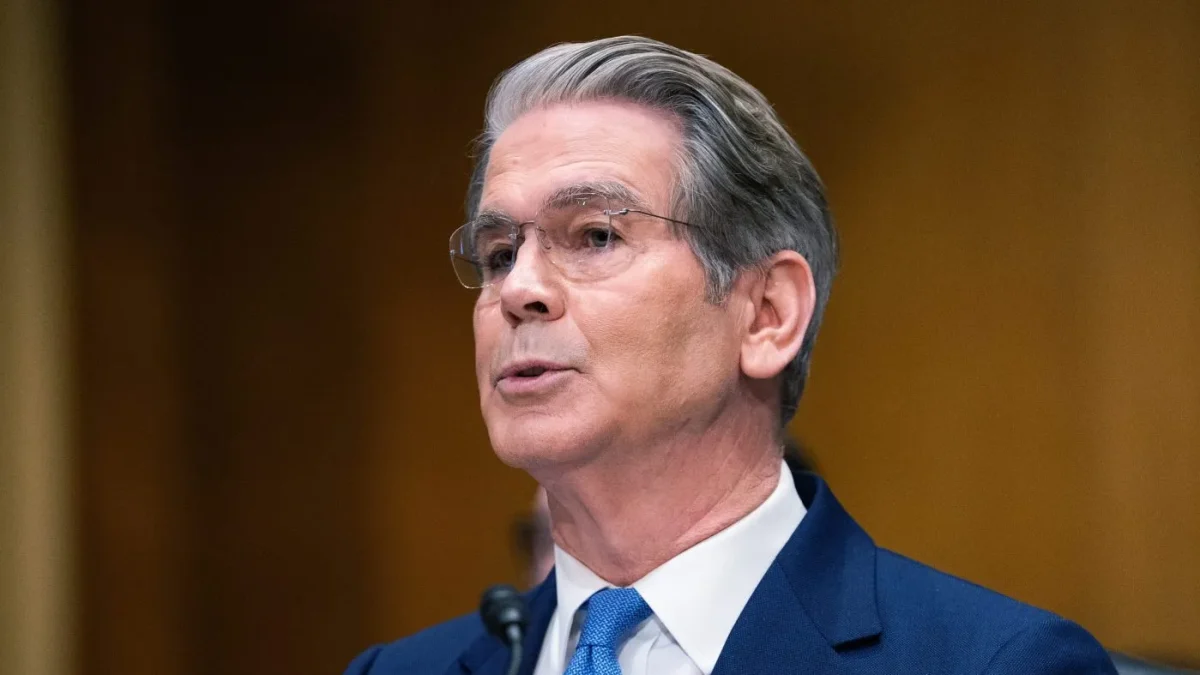
Table of Contents
Bessent Sets Stage for Aggressive Sanctions Package Aimed at Iran’s Economic Lifelines
Provpnadvice.com – The Trump administration is preparing to tighten its economic vise around Iran with a fresh round of sanctions scheduled for announcement Monday afternoon by Treasury Secretary Scott Bessent. The move represents the latest escalation in a campaign designed to force Tehran back to the negotiating table, secure a comprehensive deal to end the ongoing military conflict, and guarantee the full reopening of the Strait of Hormuz — one of the most consequential maritime chokepoints on the planet.
The timing is deliberate. With the war now approaching its six-month anniversary, Washington appears to have concluded that military pressure alone has not produced the concessions it seeks. Bessent’s package is framed not merely as another incremental tightening of existing restrictions but as a coordinated strike against the last remaining channels through which the Iranian regime moves money, goods, and influence abroad. Officials have indicated the measures will also reach out to entities and states that serve as intermediaries or partners for Tehran, effectively widening the net of economic isolation beyond the country’s borders.
The “Economic D-Day” Framing
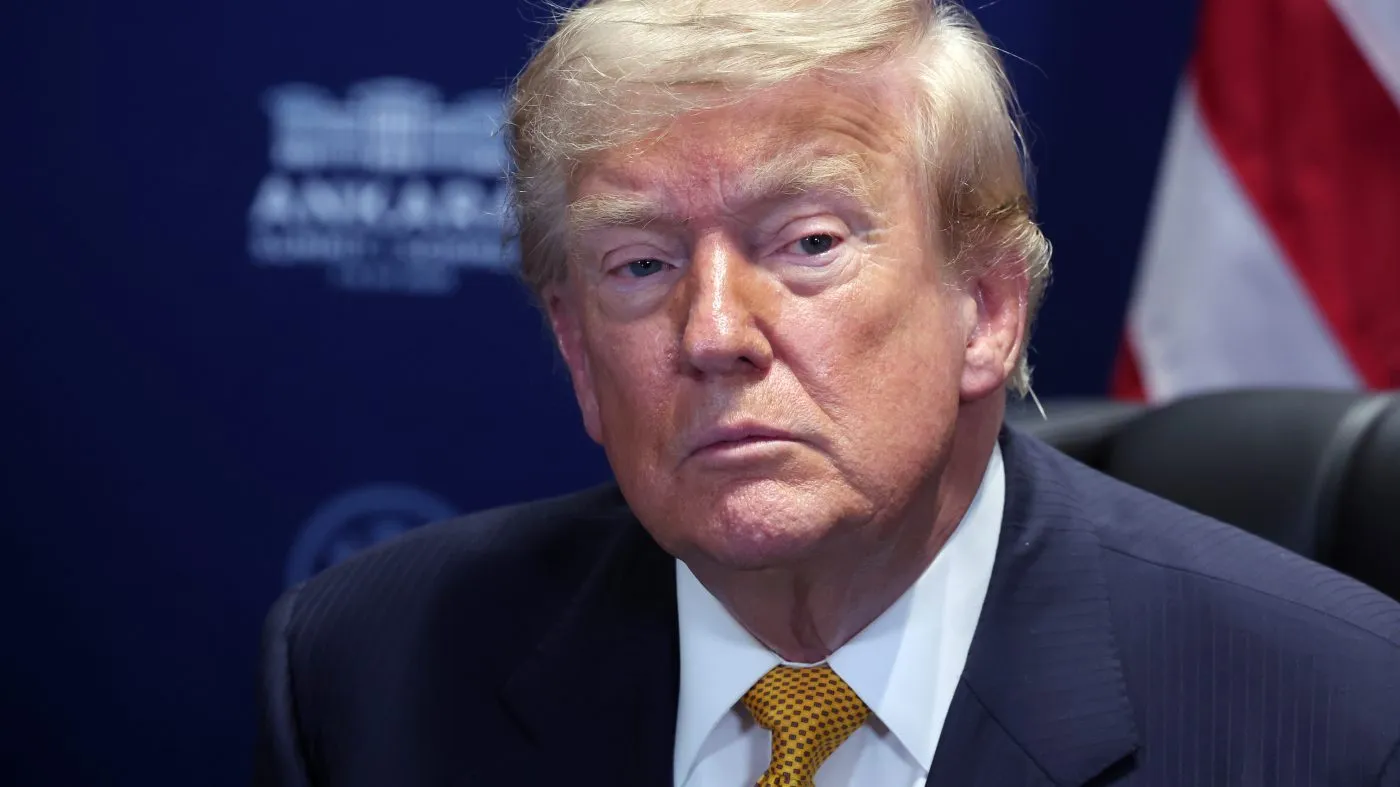
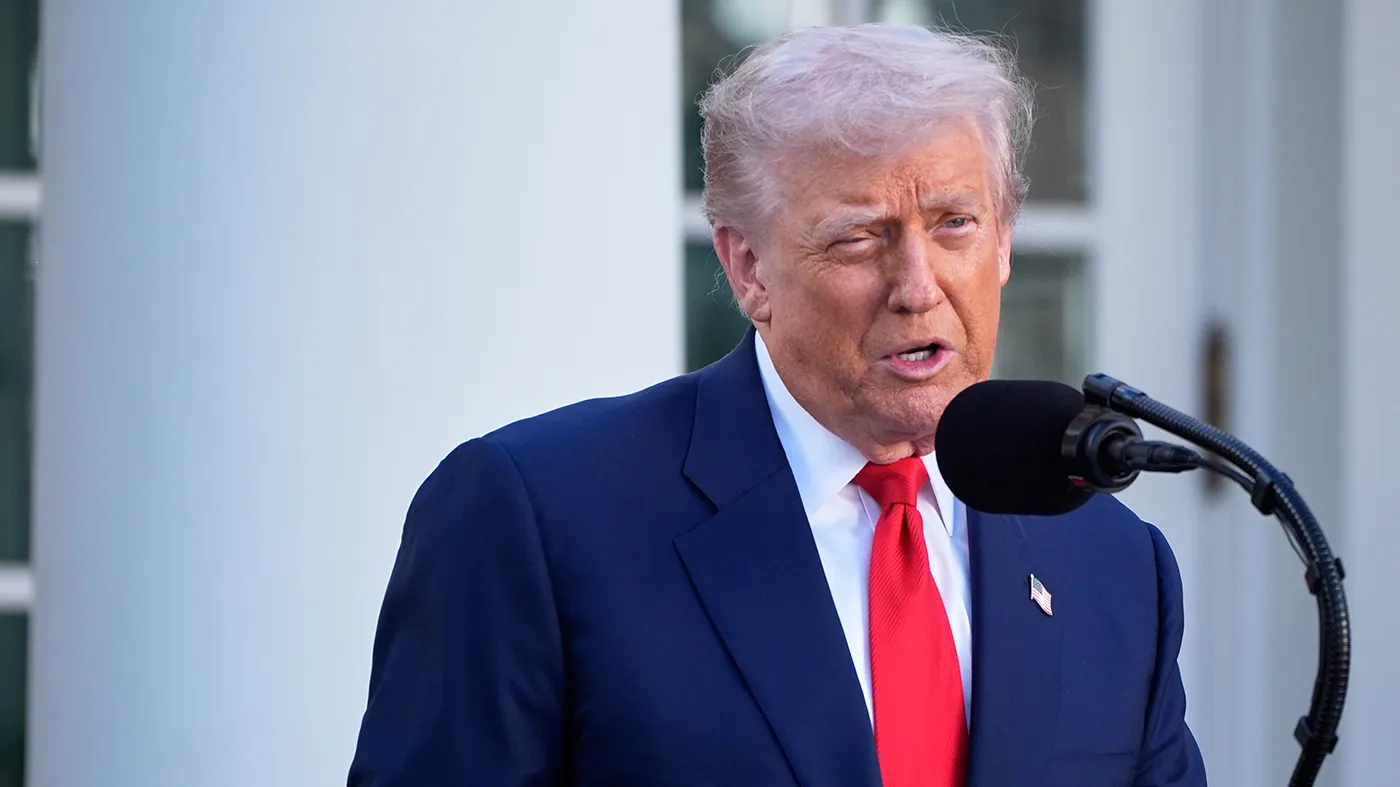
President Trump laid the rhetorical groundwork for Monday’s announcement last week, warning that Iran would face what he called an
“economic D-day”
if it failed to come to terms with American demands. The phrase, borrowed from the language of decisive military operations, signals that the administration views the sanctions not as a negotiating tactic but as a threshold event — a point beyond which Tehran’s capacity to fund its government, sustain its military apparatus, and maintain currency stability will degrade sharply. Bessent has echoed this framing, stating plainly that the objective is to cut off the regime’s residual economic arteries and to penalize the network of allies and intermediaries that have kept those arteries open despite years of prior restrictions.
Tehran’s Dismissal
Iran’s response has been swift and dismissive. Foreign Minister Seyed Abbas Araghchi has publicly rejected the premise that a new sanctions wave will alter Tehran’s calculus, arguing that the effort will ultimately produce
“further defeat” for the United States.
Araghchi’s remark reflects a long-standing Iranian diplomatic posture: that sustained economic pressure, far from compelling capitulation, merely hardens domestic resolve and accelerates the regime’s pivot toward non-Western trade partners, particularly in Asia. Whether Monday’s package contains genuinely novel instruments or primarily reprices existing ones will determine how credible that dismissal proves over the coming weeks.
Why the Strait of Hormuz Matters
For readers less familiar with the geography, the Strait of Hormuz is a narrow waterway roughly 33 miles wide at its tightest point, connecting the Persian Gulf to the Gulf of Oman and, ultimately, the open Indian Ocean. Approximately one-fifth of the world’s daily oil consumption transits this corridor, making it arguably the single most important energy artery in global commerce. Its closure or partial disruption during the conflict has sent shockwaves through shipping insurance rates, tanker freight costs, and crude benchmarks from Brent to Dubai. Full reopening is therefore not merely a diplomatic talking point; it is a precondition for stabilizing energy markets that affect consumers, manufacturers, and governments on every continent.
Context: Six Months of Conflict and the Limits of Force
The war that has consumed the past half-year has demonstrated both the reach and the limits of American military power in the region. Strikes have targeted Iranian air-defense nodes, naval assets, and command infrastructure, yet a comprehensive political settlement has remained elusive. The administration’s pivot toward what it describes as maximum economic pressure — layered on top of kinetic operations — follows a logic familiar from earlier episodes of U.S.-Iran confrontation: if the battlefield cannot compel a negotiated outcome, the treasury ledger will be made to do so.
Iran’s economy entered the conflict already strained by sanctions imposed after the United States withdrew from the 2015 nuclear agreement (JCPOA) in 2018. The rial has depreciated substantially, inflation has eroded household purchasing power, and the country’s petrochemical and oil export revenues have been constrained by both military risk and financial isolation. Monday’s measures, if they reach the secondary actors — shipping firms, commodity traders, banking intermediaries — that have functioned as workarounds, could compress those already-thin margins further. The question for markets and policymakers alike is whether the added pressure will tip the balance toward negotiation or simply deepen a stalemate in which neither side can afford to blink first.
What to Watch After Monday
Analysts will scrutinize several indicators in the days following Bessent’s announcement: the specific sectors and entities named in the package; whether secondary sanctions are imposed on non-Iranian counterparties; any parallel moves by allied governments to align their own export-control or financial-screening regimes; and, most tellingly, whether Tehran issues any signal — however oblique — that it will re-engage on the terms Washington has outlined. The six-month mark of the war makes this moment a natural inflection point. If the sanctions fail to produce movement, the administration faces the difficult choice of either accepting a prolonged attrition or recalibrating its objectives. If they succeed, the reopening of Hormuz and a durable end to hostilities would represent the most significant de-escalation in the region since the conflict began.
For now, the stage is set. The Treasury Secretary will take the podium Monday afternoon, and the world’s energy markets, shipping lanes, and diplomatic channels will watch to see whether the “economic D-day” Trump promised delivers a decisive blow or merely another chapter in a long, grinding contest of wills.
Related Reading
Frequently Asked Questions
What is Watch live: Bessent unveils ‘economic D-day’ sanctions on Iran?
Watch live: Bessent unveils ‘economic D-day’ sanctions on Iran is the main topic of this guide. The article explains the context, practical details, and next steps readers should understand.
Why does Watch live: Bessent unveils ‘economic D-day’ sanctions on Iran matter?
Watch live: Bessent unveils ‘economic D-day’ sanctions on Iran matters because readers are looking for a useful answer, not just a short summary. Good content should match search intent and help them decide what to do next.