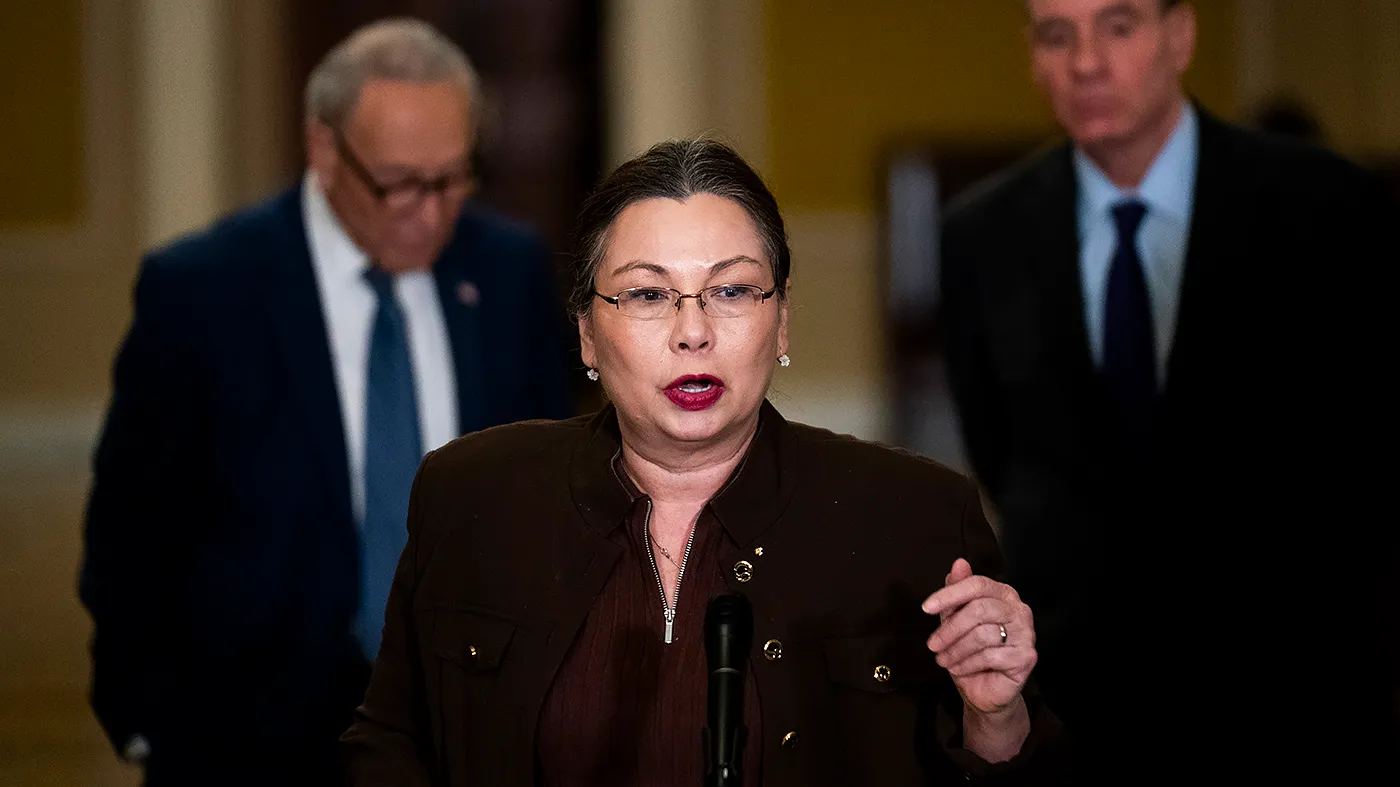
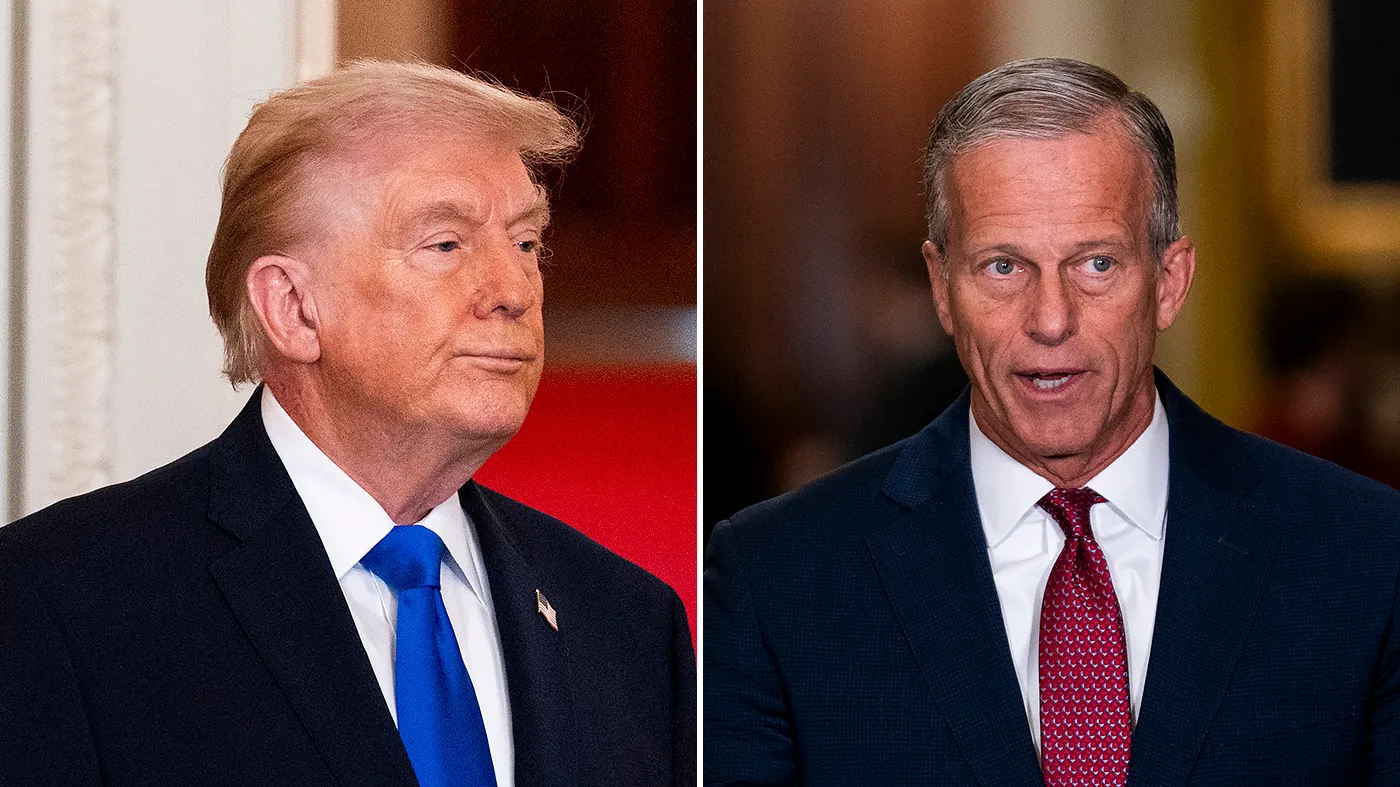
Barrasso: Monday will be ‘D-Day for the economy in Iran’

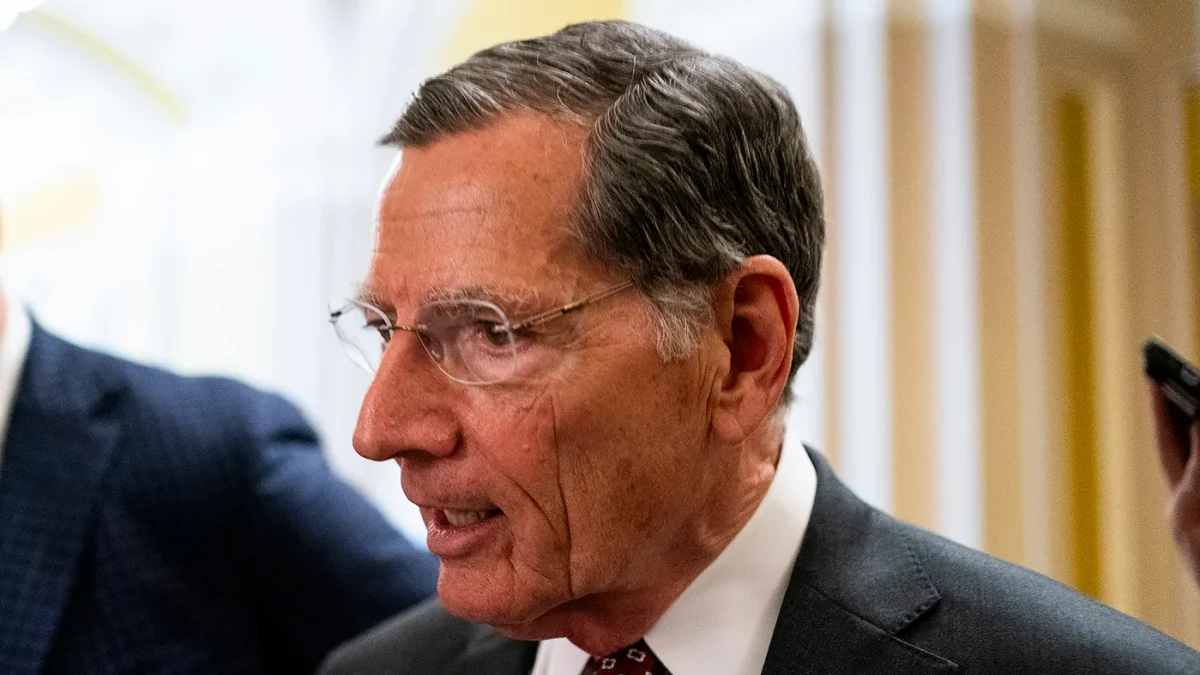
Table of Contents
U.S. Economic War Machine Targets Iran’s Financial Lifelines as Strait of Hormuz Remains Shut
Provpnadvice.com – The American government has escalated what it frames as a total economic siege against Tehran, deploying secondary sanctions, cryptocurrency asset freezes, and naval interdiction in a coordinated campaign designed to starve Iran’s economy of every external revenue stream. Senate Majority Whip John Barrasso (R-Wyoming) characterized the coming week as a decisive inflection point, telling Fox News’s “Sunday Morning Futures” program that Monday would mark what he called the ultimate economic reckoning for the Islamic Republic.
“Their economy is in shambles. And they’re still dangerous. So, the president’s right to focus on it. And now he’s going even further economically. And as you said, tomorrow is D-Day for the economy in Iran.”
Barrasso, speaking alongside guest host Jason Chaffetz, framed the administration’s strategy as a two-track operation: sustained military pressure combined with an intensifying financial chokehold. His stated expectation was that the cumulative weight of both tracks would force Tehran to reopen the Strait of Hormuz to commercial shipping and formally renounce any ambition to possess a nuclear weapon.
The Hormuz Chokepoint and Global Oil Markets
Understanding the stakes requires grasping why the Strait of Hormuz matters so enormously. This narrow waterway, roughly 33 nautical miles at its tightest point between Oman and Iran, channels approximately one-fifth of all daily global oil transport. When Tehran effectively closed the passage to commercial traffic, it severed the steady flow of Middle Eastern crude and refined products that feeds refineries, power plants, and industrial complexes across Asia, Europe, and the Americas. The disruption sent shockwaves through energy markets and exposed how dependent the global economy remains on a single maritime corridor that Iran can threaten with a handful of fast boats, mines, and coastal missiles.
Reopening that corridor is, in Washington’s calculus, the central objective. Every sanction, every frozen account, and every intercepted tanker is aimed at making continued closure costlier for Tehran than the political concessions the United States demands.
Secondary Sanctions and the Crypto Freeze
The backbone of what officials label an “economic D-Day” strategy is the aggressive application of secondary sanctions. Under this mechanism, any foreign government, commercial bank, or private enterprise that continues to serve as an economic conduit to Iran faces severe American penalties — lost access to dollar clearing, excluded from U.S. trade, or hit with asset freezes of its own. The intent is to isolate Tehran not merely from Washington but from every trading partner that might otherwise keep its economy afloat.
Simultaneously, the Treasury Department has dramatically intensified enforcement against digital asset exchanges. An estimated $500 billion in Iranian-linked cryptocurrency holdings has been frozen, a figure that underscores how deeply the Islamic Republic had embedded itself in decentralized finance networks as a workaround around traditional banking channels. By locking those digital reserves, the administration removes a layer of financial insulation that Tehran had built over years of conventional sanctions.
Naval Interdiction and Banking Crackdown
On the water, the U.S. Navy has launched a sustained campaign to locate and seize unregistered tankers and dismantle oil-smuggling networks operating under Iranian flags or in coordination with Tehran. The stated goal is to drive Iranian crude exports to absolute zero, eliminating the revenue that funds both the government’s domestic programs and its military operations abroad.
On the financial side, federal enforcement agencies are moving against alternative banking mechanisms that Iran has used to circumvent traditional sanctions: currency swap lines with friendly central banks, informal cash-transfer networks, and underground exchange houses that convert rials into hard currencies outside the sight of Western regulators. Each channel, individually modest, collectively constitutes the plumbing that keeps Iranian imports of food, medicine, and industrial inputs flowing.
Bessent to Detail the Full Playbook
Treasury Secretary Scott Bessent is scheduled to appear at a Monday press conference where he will lay out the precise operational mechanics of the expanded plan, internally designated Operation Economic Fury. The briefing is expected to specify which sectors face the next wave of secondary sanctions, how the crypto freeze will be administered across jurisdictions, and what enforcement resources the Navy and Department of Justice will commit to tanker interdiction.
Tehran’s Counter-Narrative
Iranian officials have dismissed the campaign as counterproductive. Foreign Minister Abbas Araghchi took to social media on Thursday to argue that the pressure strategy is self-defeating, contending that it will only inflate America’s own national debt as the broader conflict drags on.
“The so-called ‘Economic D-Day’ is a diversion from America’s own crisis: unprecedented debt & surging interest costs.”
“Doubling down on failed policies will only bring further defeat—and enmity of Iranians.”
Araghchi’s framing reflects a long-standing Iranian rhetorical strategy: recast external pressure as evidence of American weakness rather than resolve, and appeal to domestic audiences abroad who may feel the economic fallout of a prolonged standoff. Whether that narrative gains traction among the Iranian diaspora or among trading partners weighing their exposure to secondary sanctions remains to be seen in the weeks ahead.
What Comes Next
The coming days will test whether the layered financial assault can produce the behavioral change Washington seeks — a reopened strait and a verifiable nuclear concession — or whether Tehran’s economy, already battered by years of sanctions and wartime spending, can absorb the additional shock long enough to outlast American political patience. For global energy markets, the answer determines whether the Hormuz disruption becomes a temporary disruption or a structural reordering of shipping routes, insurance premiums, and supply-chain planning for years to come.
Related Reading
Frequently Asked Questions
What is Barrasso?
Barrasso is the main topic of this guide. The article explains the context, practical details, and next steps readers should understand.
Why does Barrasso matter?
Barrasso matters because readers are looking for a useful answer, not just a short summary. Good content should match search intent and help them decide what to do next.