NAACP slams Navy’s reported talks to swap war hero’s name on carrier with Trump’s

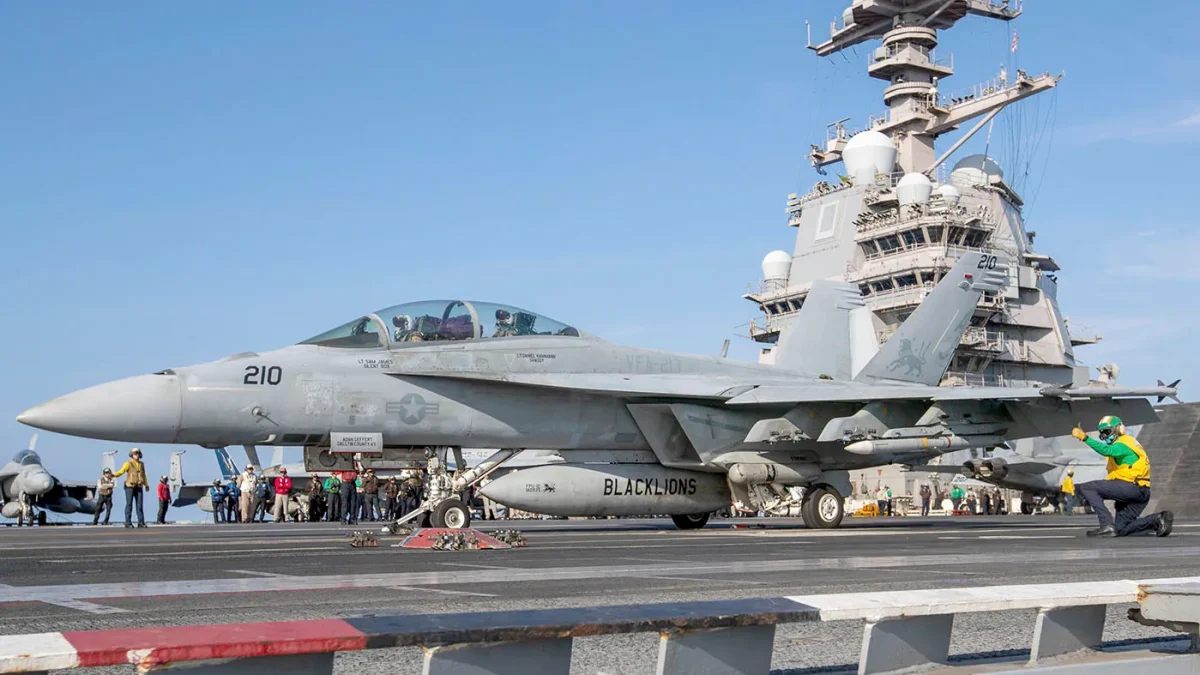
Table of Contents
Navy Faces Backlash Over Reported Plan to Replace Black War Hero’s Name on Aircraft Carrier with Trump’s
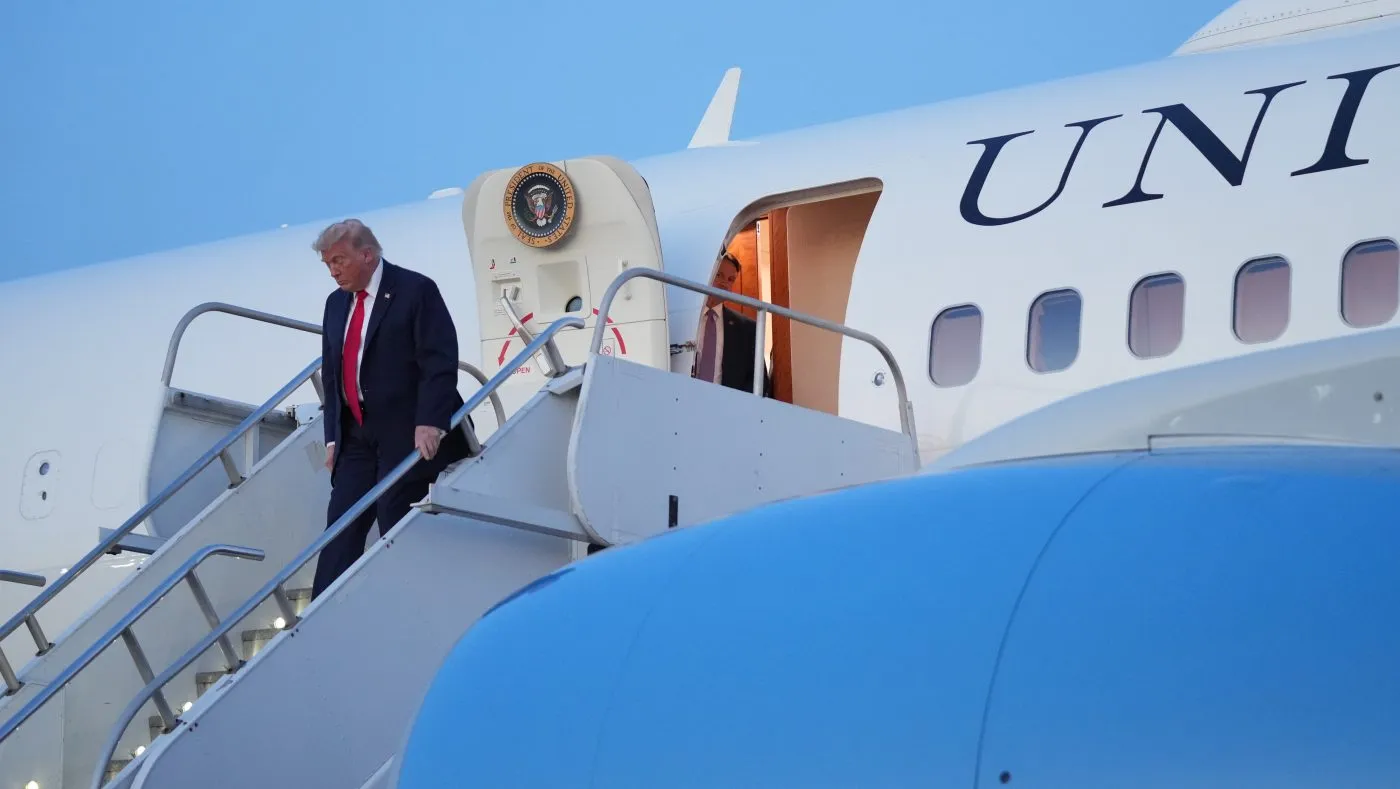
Provpnadvice.com – The United States Navy found itself at the center of a heated national debate this week after two unnamed sources revealed that internal conversations had taken place about stripping the name of a decorated Black World War II sailor from one of its newest aircraft carriers and substituting the surname of the sitting president. The vessel in question, the USS Doris Miller, is a Gerald R. Ford-class carrier bearing hull number CVN-81, and the proposed change has drawn sharp criticism from civil-rights leaders who view it as an erasure of African-American military heritage.
The Navy itself has not publicly confirmed that any formal renaming decision is underway. Nevertheless, the disclosures were enough to ignite a firestorm of reaction, particularly from organizations that have long championed recognition of Black service members whose contributions were historically overlooked or minimized.
A Name Earned at Pearl Harbor
To understand why the reported talks struck such a nerve, it helps to recall what Doris Miller actually did. On December 7, 1941, Miller was serving as a messman aboard the battleship USS West Virginia when Japanese aircraft descended on Pearl Harbor. In the chaos of the opening minutes, Miller abandoned his post to assist wounded sailors trapped below decks. He then climbed to an anti-aircraft gun — a weapon on which he had received no formal instruction — and opened fire on the incoming Japanese planes.
Miller was killed in action in 1943, but his bravery at Pearl Harbor earned him the Navy Cross, making him the first Black American to receive that decoration for conduct during the attack. For decades, his story remained relatively obscure in mainstream military history, overshadowed by the more widely known narratives of the day.
Breaking Ground in 2020
In 2020, the Navy held a ceremony at Pearl Harbor itself to christen the carrier with Miller’s name. The designation marked two firsts in American naval tradition: it was the first aircraft carrier to bear the name of a Black American, and the first to honor the actions of a sailor who had served in the enlisted ranks rather than as an officer or admiral. The choice was widely celebrated as a long-overdue correction of a historical omission.
NAACP President Calls It “a Slap in the Face”
Derrick Johnson, president of the National Association for the Advancement of Colored People, reacted swiftly on social media to the reports of renaming talks. His language was blunt and personal.
“A slap in the face to every war hero and to every service member who has worn the uniform,” Johnson wrote, referring to the alleged discussions surrounding the USS Doris Miller’s name.
Johnson went further, tying the episode to what he described as the deteriorating material conditions facing active-duty sailors. He pointed to the USS Abraham Lincoln, another carrier in the fleet, as an example of the strain placed on personnel and equipment.
“It’s beyond comprehension for a president to want his own name on a Navy ship while our armed forces are living in deteriorating conditions aboard the USS Abraham Lincoln,” Johnson said.
A Pattern of White House Interference in Ship Design
The reported renaming conversation does not exist in isolation. Over recent months, the White House has made several public announcements regarding alterations to Navy vessels, including the very carrier at issue here. Most notably, in August, administration officials outlined plans to replace the Electromagnetic Aircraft Launch System — the electromagnetic catapult technology that the Navy had publicly credited as highly effective — with older steam-powered catapults.
The White House framed the swap as a corrective measure, stating it would “fix critical long-term issues in Navy shipbuilding.” Yet a number of defense analysts pushed back, characterizing steam catapult technology as outdated and questioning the rationale for reverting to a system the service had already moved beyond.
Experts Question the Steam Catapult Reversion
Bryan Clark, a senior fellow and director of the Center for Defense Concepts and Technology at the Hudson Institute, offered a pointed observation to The Hill: steam catapults are no longer manufactured. The Navy purchased its final set of steam catapults approximately twenty years ago, meaning any large-scale reversion would require either sourcing components from storage or commissioning new production lines that no longer exist in the industrial base.
For readers unfamiliar with the technology, the distinction matters. Electromagnetic catapults use linear motors to accelerate aircraft to launch speed with precise, adjustable force, reducing mechanical wear and allowing shorter flight decks. Steam catapults, by contrast, rely on high-pressure steam driving pistons — a system proven over decades but one that demands more maintenance, occupies more space, and offers less flexibility in launch parameters. The Navy’s decision to adopt electromagnetic systems was made after extensive testing and was publicly defended as a performance upgrade.
Why the Name Matters
Names on warships are not mere labels. In naval tradition, a ship’s name carries symbolic weight: it links the vessel to a person, place, or value, and it is spoken aloud in every formal address, every casualty report, every commemoration. To remove a name that was chosen specifically to honor an overlooked hero — and to replace it with the surname of a living political figure — would send a message about whose service the institution values. That is precisely the message Johnson and other critics fear the reported talks would broadcast.
Whether or not the Navy ultimately proceeds with any change, the episode has already forced a public reckoning with questions of legacy, representation, and the boundaries between civilian political authority and military institutional identity. For the families of enlisted sailors like Doris Miller, and for the communities that finally saw their ancestors’ names elevated to the highest level of naval recognition in 2020, the stakes extend well beyond a single hull number.
Related Reading
Frequently Asked Questions
What is NAACP slams Navy s reported talks?
NAACP slams Navy s reported talks is the main topic of this guide. The article explains the context, practical details, and next steps readers should understand.
Why does NAACP slams Navy s reported talks matter?
NAACP slams Navy s reported talks matters because readers are looking for a useful answer, not just a short summary. Good content should match search intent and help them decide what to do next.