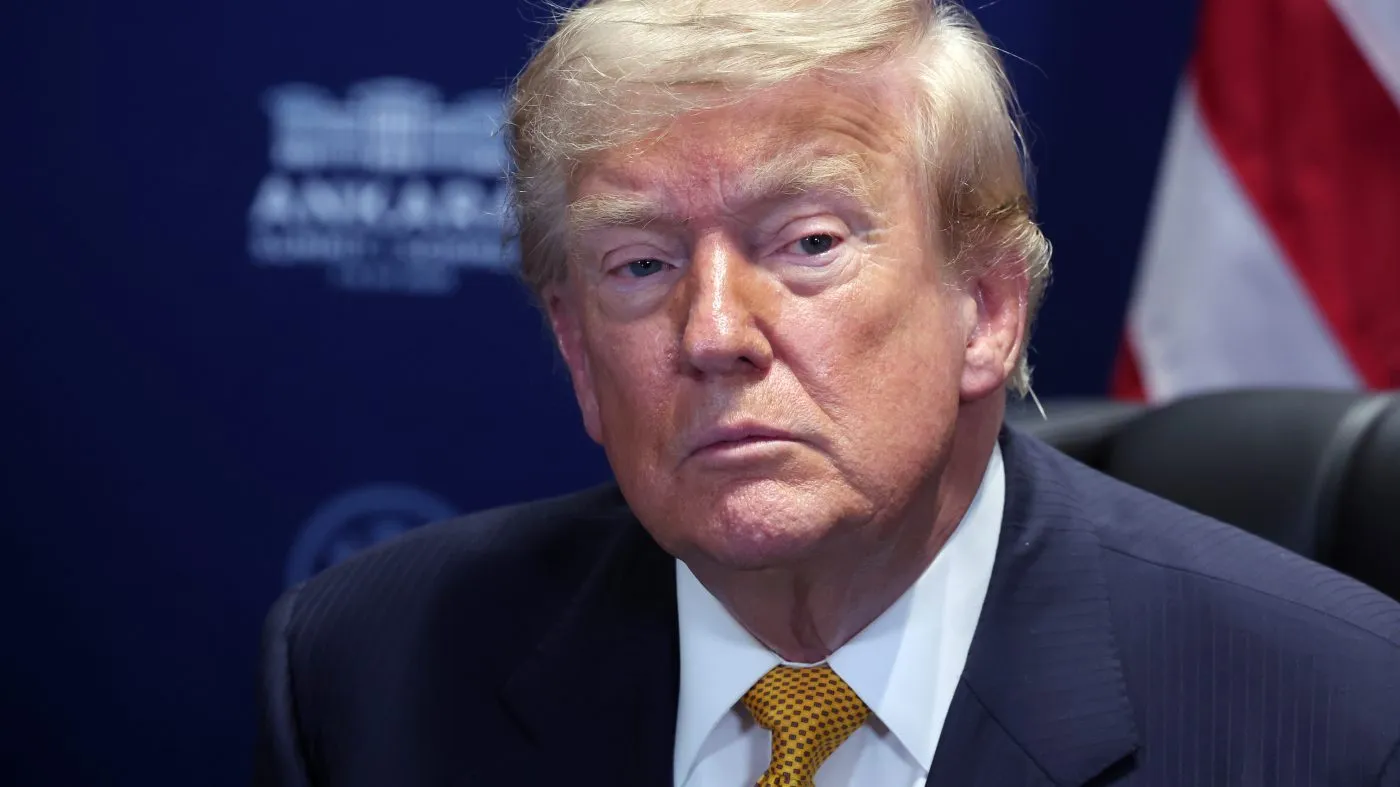
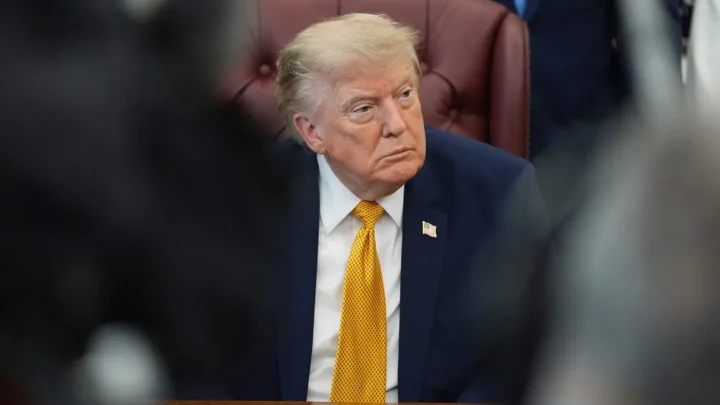
Watch: Vance takes Trump economic agenda back to Maine

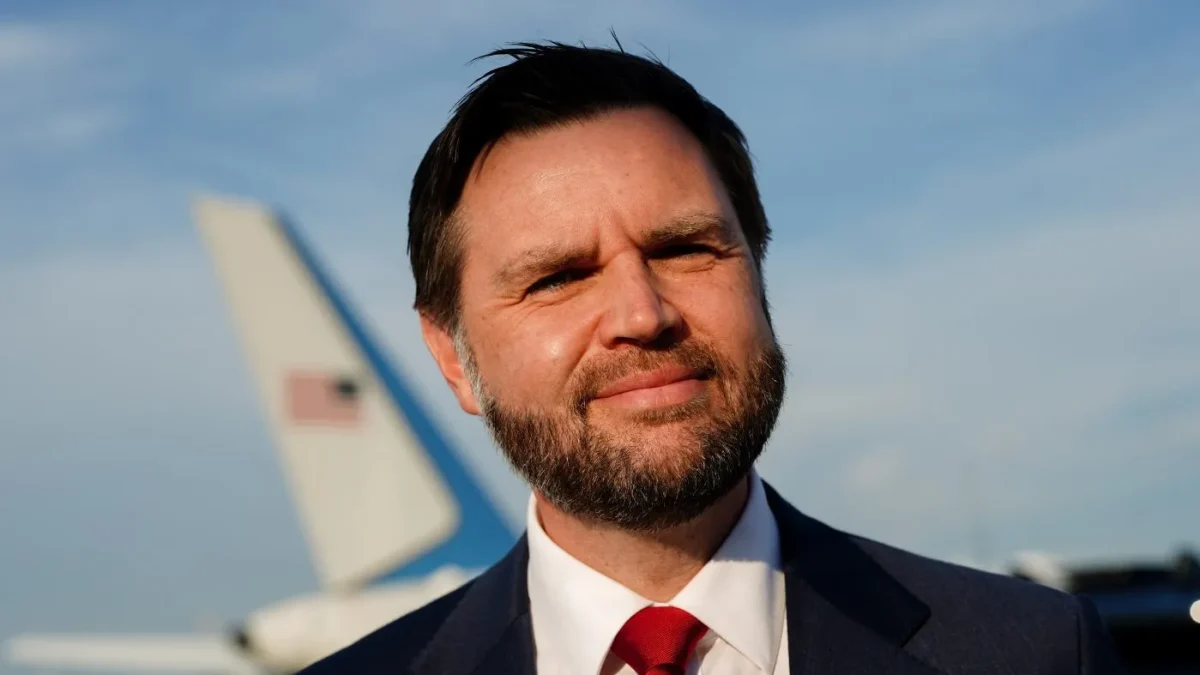
Table of Contents
Vance Heads to Maine to Sell Trump’s Industrial Revival Pitch Ahead of Midterms
Provpnadvice.com – The vice president lands in the Pine Tree State on Monday for what amounts to a roadshow stop in his ongoing effort to frame President Trump’s economic program as a lifeline for working-class communities across the country. The timing is deliberate: with midterm elections drawing closer, the administration is pressing its narrative that American factories, shipyards, and defense contractors deserve federal backing over offshore production. Maine, a state whose economic identity has long been tangled with maritime industry and small-scale manufacturing, offers a symbolic backdrop for that message.
A Stop at Compotech in Brewer
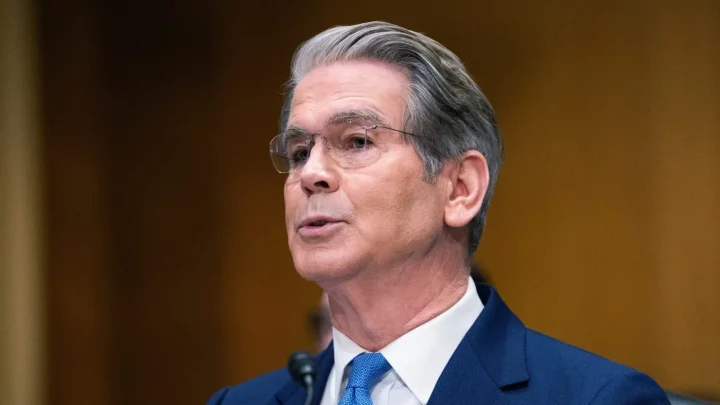
The centerpiece of the day is a speech at Compotech, a defense manufacturer headquartered in Brewer, a small town in Penobscot County. The company produces components and systems used in military applications, making it a natural venue for an administration that has repeatedly pledged to rebuild the domestic industrial base. Small Business Administration chief Kelly Loeffler will stand alongside Vance at the event, underscoring the White House’s attempt to link its macroeconomic agenda to the lived experience of smaller firms that depend on government contracts and domestic supply chains.
The pairing of a vice presidential visit with an SBA leader signals that the administration views manufacturing promotion not merely as a trade-policy issue but as a small-business and rural-economy story. For towns like Brewer, where employment has historically revolved around a handful of industrial employers, the message lands differently than it would in a coastal financial district. The administration’s tariff and reshoring initiatives, whatever their macroeconomic effects, are being marketed locally as job-creation tools for precisely these communities.
The Absence That Speaks Volumes
One detail from the itinerary has drawn immediate political attention: Senator Susan Collins, the longtime Republican representative of Maine, is not expected to attend the event. Collins, who has held her seat since 1997 and is widely regarded as one of the most moderate voices on the Senate’s Republican caucus, faces a genuinely competitive reelection contest this fall. Her decision to stay out of the spotlight during a vice-presidential economic rally in her own state raises questions about how she intends to position herself between the party’s current direction and the preferences of Maine’s electorate, which skews more centrist than the national Republican base.
Maine voters have historically rewarded candidates who emphasize pragmatic governance over ideological purity. Collins has built two decades of political capital on that reputation. A visible absence from a high-profile administration event, even if strategically calculated, can be read by both supporters and opponents as a signal of distance from the party’s current leadership. Whether that distance helps or hurts her campaign will depend on how the fall unfolds and on the strength of her Democratic challenger.
May’s Parting Shot and the Mills Factor
Vance’s previous trip to Maine came in May, and it carried a sharper partisan edge. During that visit, he directed public criticism at Democratic Governor Janet Mills, framing her administration’s record as evidence of what happens when, in his telling, state-level leadership fails to support industrial growth. He also took aim at Collins herself, a move that complicated the already delicate relationship between the senator and the party’s national leadership.
Governor Mills, who has served since 2019, oversees a state budget shaped by post-pandemic spending pressures, aging infrastructure, and a tourism-dependent economy that fluctuates with national travel patterns. Her office has generally sought to maintain working relationships with federal agencies regardless of party alignment, a posture that makes public vice-presidential criticism feel less like policy disagreement and more like campaign positioning.
Maine’s Industrial Landscape and Why the Pitch Lands Here
The state’s economic profile makes it a recurring target for manufacturing-focused political messaging. Beyond Compotech, Maine hosts shipbuilding operations, aerospace suppliers, and a network of small machine shops that feed into larger defense and maritime supply chains. The state also grapples with the long-term contraction of its fishing industry and the seasonal volatility of tourism revenue. For residents of mill towns and coastal communities, the promise of sustained federal investment in domestic production carries real weight, even when the policy mechanisms behind that promise—tariffs, export controls, procurement preferences—remain contested among economists.
The administration’s broader agenda, as articulated in executive orders and campaign speeches since January, centers on reducing dependence on foreign manufacturing, particularly in sectors deemed critical to national security. Maine’s defense-adjacent industries sit squarely within that frame. A vice-presidential visit to a defense contractor in a small New England town is, in effect, a visual argument: the federal government is here, it is talking to you, and the policy levers being pulled are aimed at keeping your factory floor running.
Midterm Stakes and the Road Ahead
With the midterm cycle approaching, every stop on a vice-presidential economic tour carries electoral arithmetic. For Republicans in competitive states, the question is whether the administration’s industrial messaging energizes the base without alienating moderate voters who remember Maine’s long tradition of bipartisan governance. For Democrats, the question is whether the same messaging validates their own critiques of trade policy or simply hands the opposition a clean narrative about who benefits from protectionism.
Vance’s Monday appearance in Brewer will not resolve those questions. But it will add another data point to a campaign that is, by design, inseparable from the next election cycle. The Pine Tree State, with its mix of small-town industry, coastal politics, and a senator navigating a tight race, provides a microcosm of the tensions the administration hopes to manage—and the tensions its opponents intend to exploit.
Related Reading
Frequently Asked Questions
What is Watch: Vance takes Trump economic agenda back to Maine?
Watch: Vance takes Trump economic agenda back to Maine is the main topic of this guide. The article explains the context, practical details, and next steps readers should understand.
Why does Watch: Vance takes Trump economic agenda back to Maine matter?
Watch: Vance takes Trump economic agenda back to Maine matters because readers are looking for a useful answer, not just a short summary. Good content should match search intent and help them decide what to do next.