United denies offering free flight changes over Trump airport name

United Airlines Clarifies Policy Following Reports of Free Flight Changes for Trump Airport Renaming
Internal Memo Sparks Confusion
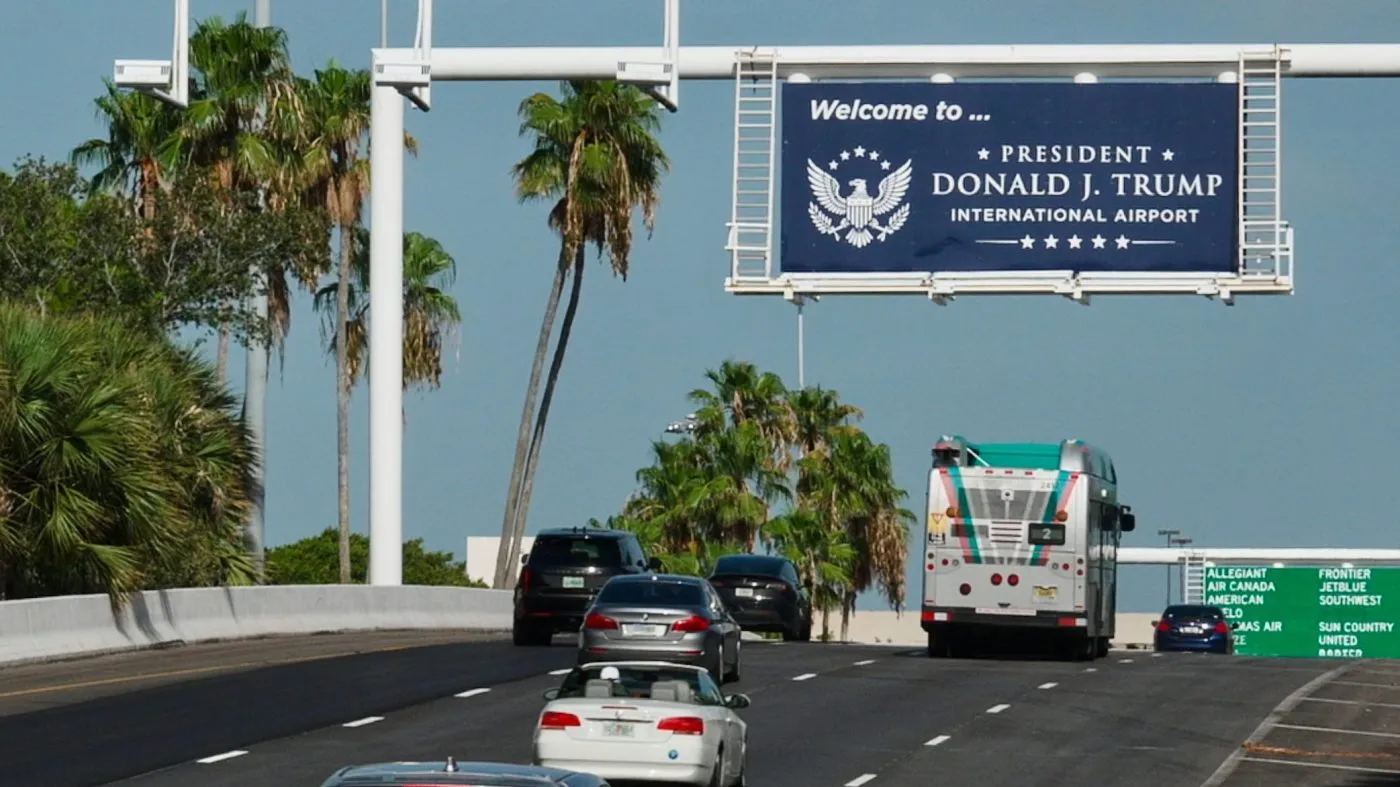
Provpnadvice.com – United Airlines has moved to correct misinformation circulating in the media regarding passenger flight modifications tied to the recent renaming of a Florida airport. Reports had suggested the carrier would permit travelers to alter their destinations at no additional charge if they preferred not to land at the newly christened Donald J. Trump International Airport in Palm Beach.
The confusion originated from an internal communication that was reportedly distributed to United reservation agents. According to a post on the Live and Let’s Fly travel blog published on Thursday, the memo instructed staff that they could present “acceptable alternatives” to customers who expressed reluctance about flying into what was formerly known as Palm Beach International Airport. These alternative options included airports in Fort Lauderdale and Miami.
While an airline representative did not dispute that the message was genuine, she characterized it as “poorly worded” and misleading when speaking with The Hill. The spokesperson emphasized that the memo’s guidance did not accurately reflect United’s official stance on the matter.
Clarifying the Airline’s Position
In a formal statement sent via email, United Airlines explained its current policy framework. “United customers are able to make changes to a ticket without a fee for many reasons,” the airline noted. “However, our policy doesn’t allow for changes because of an airport’s name or three letter code.”
This clarification indicates that while passengers may modify their reservations under various circumstances without incurring penalties, the specific reason of an airport’s name change does not qualify for a fee waiver. The three-letter identifier associated with the airport remains a separate consideration from the official name displayed on signage and marketing materials.
The Renaming Process and Timeline
The transformation of the Palm Beach airport began with legislative action in Florida. Governor Ron DeSantis, a Republican, signed legislation during March that officially authorized the renaming of the facility. The airport holds particular significance as it sits merely a few miles from the Trump family’s Mar-a-Lago estate in Palm Beach County.
The name change became effective earlier this month, though travelers will continue encountering the traditional “PBI” designation on their flight documentation. This three-letter location identifier will remain in use until August 18, when the International Air Transport Association implements an update to the code, changing it to “DJT.” This transition timeline was confirmed by the Federal Aviation Administration.
Beyond the code change, the airport is undertaking a comprehensive rebranding initiative. This project encompasses updates to signage, branding elements, technology infrastructure, and various public-facing materials. The Palm Beach County Department of Airports has estimated that the entire rebranding effort will require approximately $5.5 million in funding.
Financial Arrangements and Tax Implications
The airport has been transparent about how the rebranding costs are being distributed. According to information posted on the airport’s official website, the state of Florida is responsible for covering roughly half of the total expense. The remaining financial burden falls on the Department of Airports’ operating budget and capital improvement program.
Importantly, the airport emphasized that “No local property tax dollars are used to operate President Donald J. Trump International Airport.” This statement addresses concerns from some residents about potential tax impacts resulting from the renaming initiative.
Political Reactions and Public Response
The rebranding effort has generated divided opinions, mirroring similar initiatives to attach Trump’s name to federal buildings and state highways across the country. Supporters of the president have publicly commended the decision, while Democratic legislators have voiced opposition, arguing that such honors should be deferred until Trump completes his term.
Decisions about naming major infrastructure should wait until after an honoree’s service has concluded — and should include meaningful input from the local residents and communities most directly affected.
Rep. Lois Frankel, a Democrat representing a Florida district that encompasses Palm Beach, articulated these concerns in a February statement. Her position reflects broader Democratic sentiment that infrastructure naming decisions warrant careful consideration and community engagement.
In response to the mixed feedback from the public, the airport has implemented a practical solution. A notice regarding the renaming now appears at the bottom of the airport’s contact form. Individuals must acknowledge this notice before they can successfully submit any responses through the system.
The airport has also provided reassurance to passengers about the continuity of services during this transition period. The terms posted on the website state that “The renaming does not affect the airport’s ownership, governance, legal status, daily operations, airline service or passenger experience.” Furthermore, the airport承诺 that “Passengers will continue to receive the same professional, reliable service during the transition.”
As the August 18 deadline approaches for the code change, all stakeholders—travelers, airlines, and airport officials—will be monitoring the implementation to ensure a smooth transition to the new identity for this important Florida transportation hub.