Putin: Russia in ‘close contact’ with ‘genius’ Musk over satellite networks

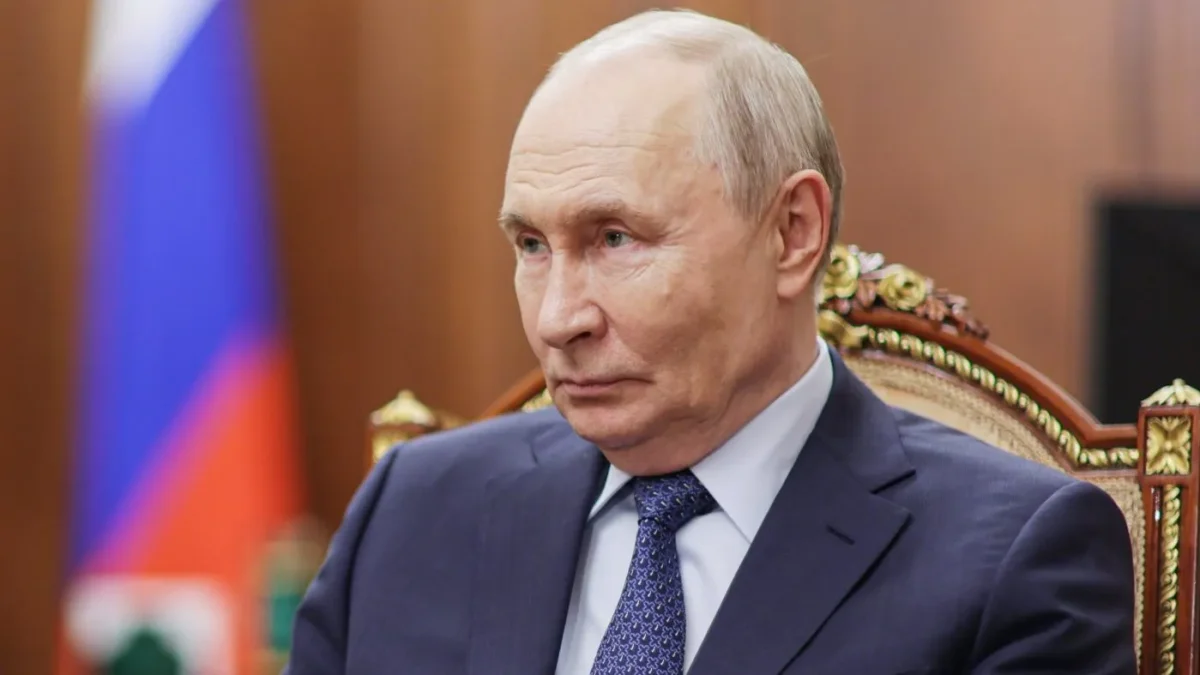
Table of Contents
Putin Highlights Russia’s Satellite Ambitions and Contacts With Elon Musk
Provpnadvice.com – Putin – Russian President Vladimir Putin has described Elon Musk as a “genius” while discussing Moscow’s push to build a domestic satellite communications network that could support Russian military operations in Ukraine.
Putin made the remarks Wednesday during a Moscow meeting with African leaders. The discussion followed an update from Maksut Shadayev, Russia’s minister of digital development, on efforts to create a satellite system intended to compete with SpaceX’s Starlink network.
Russia’s project, known as Rassvet, remains far smaller than SpaceX’s satellite constellation. Moscow has launched more than 30 satellites for the developing network, while SpaceX operates nearly 10,000 satellites. Even so, Putin presented the effort as an important step toward greater Russian independence in space-based communications.
“Elon Musk is a genius, he’s just a real genius,” Putin said.
Satellite internet has become a critical part of modern military communications, particularly during the war in Ukraine. Systems operating in low Earth orbit can provide connections in areas where ground-based communications networks are damaged, unavailable or vulnerable to disruption.
For Ukraine, Starlink and the military-focused Starshield service have played a major role in supporting battlefield communications, drone missions and air-defense operations throughout the more than four-year conflict with Russia. Access to those systems became especially significant after recent service disruptions affected Ukrainian operations for nearly two weeks.
Ukrainian officials said the slowdown contributed to cancelled missions and made it harder to respond to incoming Russian drones. President Volodymyr Zelensky said over the weekend that service levels had improved after restoration work began overnight.
“The speeds are now where they need to be,” Zelensky said. “The restoration began overnight, and by this morning, speeds were already sufficient. This matters: for our frontline logistics, for defending Ukraine against jet-powered ‘shaheds.’”
Russia’s Rassvet Network Is Still in Its Early Stage
Putin acknowledged the major gap between Russia’s existing satellite capability and the size of SpaceX’s network. He nevertheless argued that the launch of the first Rassvet satellites represented meaningful progress for Russia’s technology sector and space program.
“While we are only taking our first steps. But we are proud that we have begun to do this, and started to do it independently,” Putin said.
The contrast in scale illustrates the challenge Moscow faces. A large satellite constellation requires repeated launches, satellite manufacturing capacity, ground infrastructure, spectrum coordination and terminals that users can operate on the ground. Building such a system is not limited to placing hardware in orbit; it also requires maintaining reliable links, managing traffic and replacing satellites as needed.
Starlink’s broad deployment has given it a substantial operational footprint, including the ability to deliver connectivity through a dense network of satellites moving across the sky. Russia’s Rassvet system, with just over 30 launches to date, is at a considerably earlier point in development.
Still, the Russian initiative reflects the growing strategic importance of satellite-based internet. Governments and militaries increasingly view space communications as a capability that can influence logistics, command systems and access to information during crises or armed conflict.
Putin Says Moscow Is Communicating With Musk
Putin also said Russia has been in touch with Musk and other American partners about satellite operations. He framed those contacts as necessary for safety and coordination in orbit, where satellite operators must avoid interference and manage increasingly crowded space lanes.
“We are in close contact with our American partners — including Mr. Musk — because it is very important, in orbit, not to get in each other’s way and to maintain a certain level of discipline and order,” Putin said.
Space is becoming more congested as governments and private companies deploy large numbers of satellites. Operators must track spacecraft, reduce collision risks and coordinate activity across shared orbital environments. These technical issues can carry broader political importance when satellite networks are connected to national security, military communications and global internet access.
Putin’s comments place Musk’s company at the center of two overlapping developments: Ukraine’s continued reliance on satellite connectivity during the war and Russia’s attempt to establish a comparable capability of its own. The situation underscores how commercial space technology can have consequences far beyond civilian communications.
For users on the ground, the immediate concern remains reliability. In Ukraine, restored service speeds may help frontline units coordinate logistics, maintain defensive communications and respond to aerial threats. For Russia, the Rassvet effort represents a longer-term attempt to develop a satellite network that Moscow can control independently.
As the war continues, satellite communications are likely to remain an important part of the conflict’s technological dimension. The differing sizes of the Starlink and Rassvet constellations show the distance Russia must cover, while Putin’s remarks suggest that Moscow sees the sector as a strategic priority.
Related Reading
Frequently Asked Questions
What is Putin?
Putin is the main topic of this guide. The article explains the context, practical details, and next steps readers should understand.
Why does Putin matter?
Putin matters because readers are looking for a useful answer, not just a short summary. Good content should match search intent and help them decide what to do next.