Bezos: AI will result in labor shortages instead of replacing humans

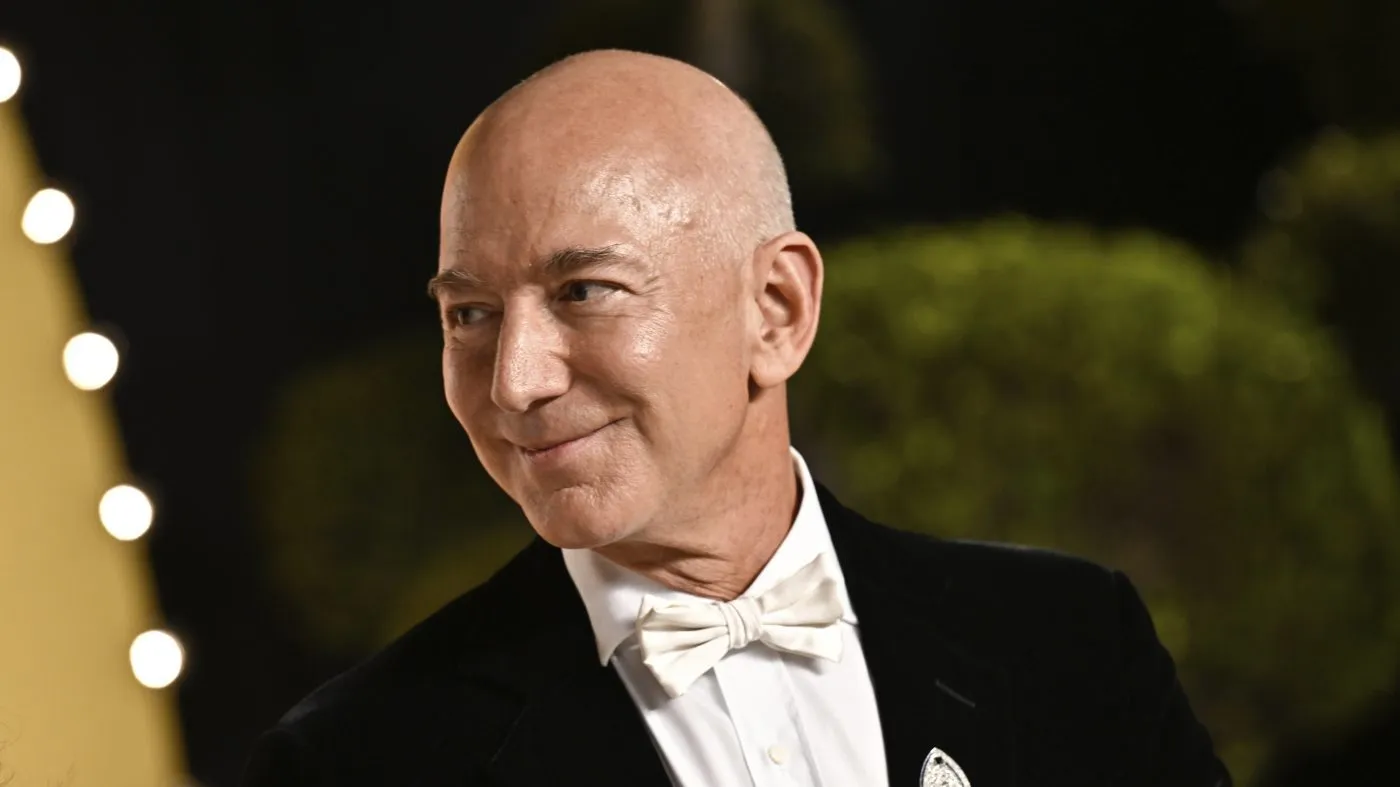
Bezos: AI will result in labor shortages instead of replacing humans
A New Perspective on Automation
Provpnadvice.com – Bezos – During the VivaTech technology conference in Paris, Jeff Bezos and David Limp, the head of Blue Origin, engaged in a dialogue with former NASA astronaut Mike Massimino about the integration of Bezos’s new AI venture, Prometheus, into Blue Origin’s engineering initiatives. The conversation sparked a broader discussion on the evolving role of artificial intelligence in the workforce, with Bezos offering a distinct viewpoint that challenges prevailing fears of job displacement.
“I totally disagree with this point of view, and I think, in fact, AI is going to create a labor shortage because it’s going to make it possible for people to identify more problems,” Bezos explained. “We have an endless set of things to invent, and … today, we are limited not by our imaginations, but by what we can actually do.”
Bezos’s assertion that AI will not replace humans but rather lead to a labor shortage stems from his belief that the technology will expand human potential. He emphasized that AI serves as a tool to uncover new challenges and opportunities, rather than a force that eliminates the need for human labor. This perspective positions AI as a catalyst for innovation, rather than a threat to employment.
The Rising Tide of Job Cuts
As companies increasingly adopt AI technologies, the trend of layoffs has accelerated. According to a report from Challenger, Gray & Christmas, AI accounted for 40 percent of all job cuts in May, with 38,579 of the over 97,000 total reductions attributed to automation. This marks the third consecutive month of rising layoffs, with AI emerging as a primary driver of workforce changes.
“The labor market is being reshaped by technology in real time,” Andy Challenger, the firm’s labor and workplace expert and chief revenue officer, noted in the report. “AI is now the leading reason companies give for cutting jobs, and the primary industry citing it is Technology. Technology, already the year’s biggest job cutter, saw its steepest cuts since early 2023, even as it remains the sector with the most hiring plans this year.”
The data underscores a growing shift in how businesses approach labor. While the technology sector leads in AI-driven layoffs, it also continues to plan for significant hiring, suggesting a dual trend of both contraction and expansion. This dynamic highlights the complexity of AI’s impact, as it simultaneously displaces some roles while creating demand for others, particularly in fields requiring specialized skills to manage and optimize AI systems.
Public Concerns and Policy Responses
Despite Bezos’s optimistic take, public sentiment remains cautious. The latest polling from Reuters/Ipsos reveals that more than half of Americans express anxiety about the possibility of losing their jobs to artificial intelligence. This widespread concern reflects a gap between technological optimism and the tangible fears of workers facing potential obsolescence in their roles.
Bezos’s argument hinges on the idea that AI will not merely automate tasks but will also empower individuals to tackle more intricate problems. He suggests that the future of work will be defined by human creativity, with AI serving as an enabler rather than an adversary. However, this view contrasts with the current reality, where AI is already being used to justify job cuts across various industries.
Political Backing for AI Innovation
Meanwhile, the Trump administration has positioned itself as a supportive force for the AI industry. President Trump recently signed an executive order that encourages AI labs to voluntarily share their models with the government for up to 30 days before public release. This move aims to foster collaboration between the private sector and federal agencies, ensuring that AI advancements align with national interests.
Bezos’s comments at the VivaTech event align with this supportive stance. By highlighting AI’s potential to drive innovation, he reinforces the idea that the technology should be embraced as a means to enhance productivity and create new opportunities. However, the report from Challenger, Gray & Christmas indicates that the immediate effects of AI are felt most acutely by the workforce, with layoffs rising month after month.
As the debate over AI’s role in the economy continues, the challenge lies in balancing its benefits with the need to address its disruptive effects. While Bezos envisions a future where AI complements human labor, the data suggests that the transition may not be seamless for all workers. This tension between innovation and labor market shifts will likely shape policy discussions and corporate strategies in the coming months.
Looking Ahead: The Future of Work
Experts caution that the labor market’s transformation will require proactive measures to ensure workers are not left behind. Training programs, reskilling initiatives, and policies that incentivize AI adoption while protecting employment opportunities will be critical. Bezos’s vision of AI as a tool for discovery and problem-solving offers a hopeful framework, but it must be paired with practical solutions to mitigate the risks associated with automation.
The conversation at VivaTech underscores the importance of collaboration between industry leaders and researchers. By discussing how AI can be integrated into existing systems, Bezos and Limp contribute to a dialogue that could influence the future direction of AI development. Their insights highlight the need for a balanced approach that leverages AI’s capabilities while safeguarding the workforce’s interests.
As the technology continues to evolve, the focus will shift from mere displacement to strategic enhancement of human capabilities. The key will be to ensure that AI not only drives efficiency but also fosters a more resilient and adaptable labor market. With continued investment and thoughtful policy, the potential for AI to create new opportunities may yet outweigh its current impact on job cuts.