Where the last 8 p.m. sunset of 2026 has already happened, and which cities are next

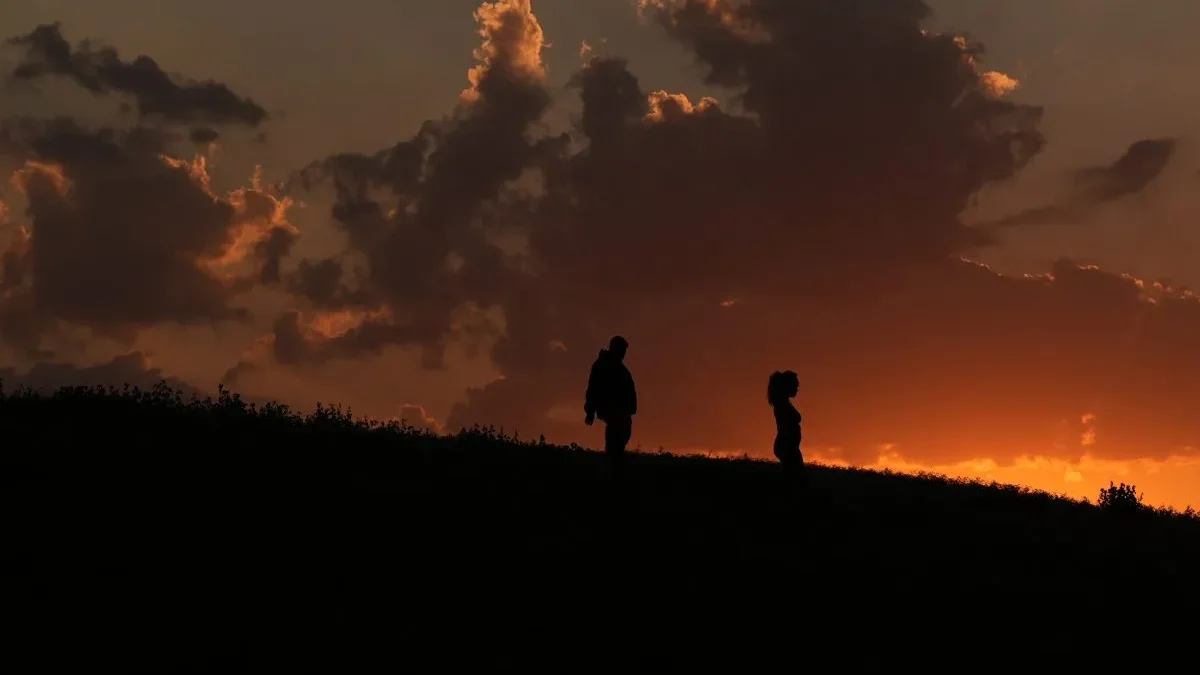
Table of Contents
Summer’s Final Glow: When Cities Lose Their Last 8 p.m. Sunset
Provpnadvice.com – As Americans watch their clocks with growing anticipation, a quiet transition is unfolding across the nation. While debates continue over whether daylight saving time should become permanent, many communities are already experiencing their final evening sunsets of the season that extend past 8 o’clock in the evening. These moments mark the end of summer’s extended daylight hours for residents in various regions.
The phenomenon occurs as the Earth’s tilt and orbit create natural variations in daylight throughout the year. Even if legislation were to lock daylight saving time year-round, citizens would still notice their sunsets gradually shifting into the 7 o’clock hour as summer draws to a close. The more dramatic changes would actually appear during winter months under such a permanent arrangement.
Tracking the Sunset Across America
Recent analysis covering thirty-three American cities reveals that ten locations have already witnessed their final sunset of the year occurring at or after 8 p.m. The timing varies significantly by geography and latitude. In Las Vegas, residents enjoyed their last 8 p.m. or later sunset on July 11, while communities in Green Bay and Burlington, Vermont, experienced this milestone on Thursday.
Most other cities will encounter their final 8 p.m. sunset within the current month. However, certain fortunate locations will continue enjoying extended evening daylight well into early September. Grand Rapids, Michigan, and Indianapolis both celebrate their last 8 o’clock sunset on September 11, giving residents nearly two additional months of late evening sunsets.
These same cities also rank among the first to welcome sunset times back to 8 p.m. each year, typically occurring in late March as spring progresses. This cyclical pattern reflects the predictable nature of Earth’s relationship with sunlight throughout the calendar year.
The Permanent Time Debate
Congressional attention has focused on legislation that would establish daylight saving time as a permanent fixture, eliminating the biannual clock changes. This proposal has advanced through the House of Representatives and garnered support from President Trump. However, an alternative approach exists in the form of another bill that could instead make standard time permanent across the nation.
Year-round standard time, already practiced in Hawaii and much of Arizona, would preserve current winter sunset patterns while fundamentally altering summer evenings. Under this system, summer sunsets would arrive noticeably earlier than they do today. While every American city currently enjoys several weeks of post-8 p.m. sunsets during summer, permanent standard time would limit this luxury to only a select few locations.
Grand Rapids would experience approximately seventy-two sunsets after 8 p.m. under permanent standard time. Louisville, Kentucky, and Sioux Falls, South Dakota, would each enjoy roughly fifty such evenings. These numbers illustrate how geography and latitude continue to influence daily life regardless of timekeeping decisions.
Health Benefits of Morning Light
Beyond the timing of sunsets, the broader implications of permanent time changes extend to human health and daily routines. The earlier sunrises associated with permanent standard time align more closely with natural circadian rhythms. Medical experts emphasize that adequate morning sunlight exposure plays a critical role in regulating the body’s melatonin production.
This additional morning daylight offers practical advantages for daily activities. Residents could utilize cooler morning hours for exercise or errands, potentially avoiding the heat of midday. Furthermore, children and adults alike might find it easier to sleep through morning sunshine rather than attempting to fall asleep while daylight still fills the sky.
What Lies Ahead
For now, the nation’s clocks remain in their current configuration, neither permanently locked to standard time nor daylight saving time. The Senate continues its recess through mid-September, leaving uncertainty about whether the Sunshine Protection Act will receive sufficient support to become law.
Should Congress fail to act before the autumn equinox, clocks will automatically return to standard time on November 1, representing the earliest possible date for daylight saving time to conclude. This transition will bring earlier sunsets and sunrises, marking another chapter in America’s ongoing relationship with time and sunlight.
The conversation about permanent time changes reflects broader questions about how modern society balances convenience, health, and natural rhythms. As legislation moves through Congress, citizens across the country continue to experience the subtle yet meaningful changes that daylight brings to their daily lives.
Related Reading
Frequently Asked Questions
What is Where the last 8 p m sunset?
Where the last 8 p m sunset is the main topic of this guide. The article explains the context, practical details, and next steps readers should understand.
Why does Where the last 8 p m sunset matter?
Where the last 8 p m sunset matters because readers are looking for a useful answer, not just a short summary. Good content should match search intent and help them decide what to do next.