Texas agency suspends Flock camera approvals

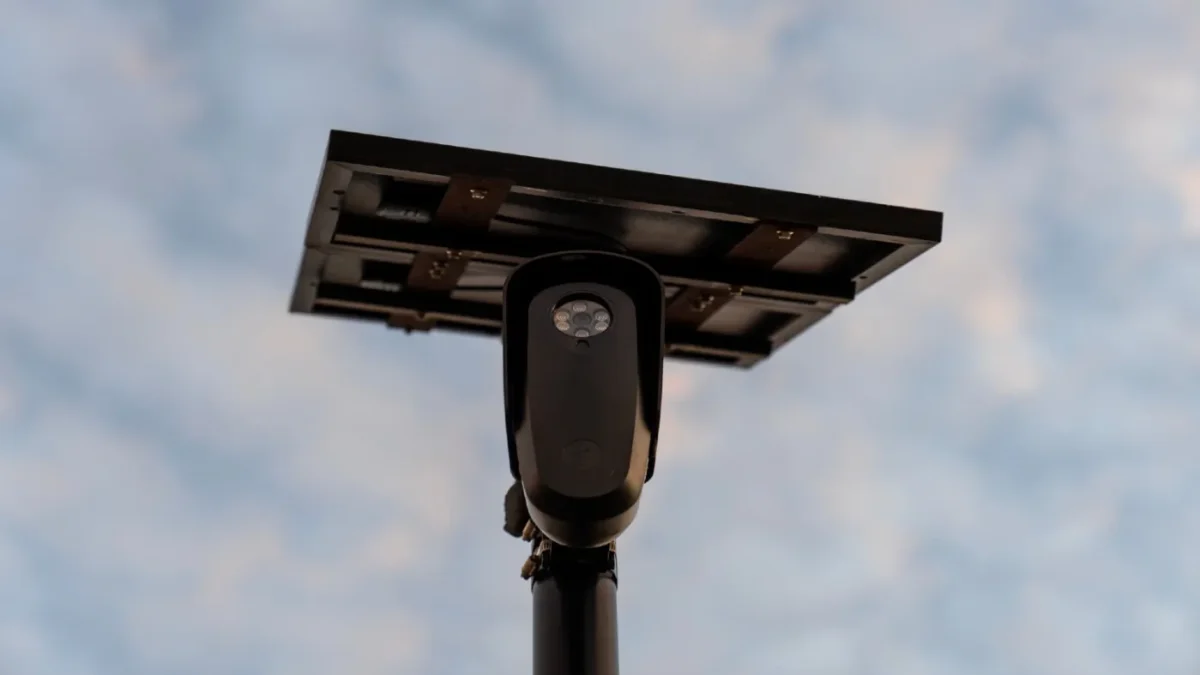
Table of Contents
Texas Pauses New Flock Camera Approvals Amid Privacy Debate
Provpnadvice.com – Texas transportation officials have stopped granting new approvals for Flock Safety automated license plate reader cameras and comparable devices along state-controlled roads, marking a significant development in the continuing debate over vehicle surveillance technology.
The Texas Department of Transportation, known as TxDOT, said its involvement concerns whether equipment is properly and safely placed in public rights-of-way. The agency does not operate the cameras or review the information they collect, which is gathered for law-enforcement use.
“TxDOT’s role is to review permits to ensure license plate readers are installed correctly and safely along state-owned roadways. TxDOT does not have access to the data collected from the license plate readers, and these cameras are placed at the request of law enforcement.”
The suspension follows direction from Gov. Greg Abbott, who instructed state agencies in August to stop funding Flock cameras. While TxDOT’s latest action concerns approvals for installations in state road corridors, many existing cameras in Texas are bought by municipal governments with federal funding.
“Under the direction of Governor Greg Abbott, TxDOT has suspended issuing approvals for Flock cameras or similar devices installed by third parties in our ROW [public roadways].”
How the technology works
Flock’s network uses automated license plate readers, cameras and audio-detection tools linked to an artificial-intelligence database. The system records characteristics associated with vehicles and creates what the company describes as a vehicle “signature.” That information can help agencies identify or locate vehicles connected to criminal investigations.
For local police departments, the systems can provide access to data collected beyond a single city or county when jurisdictions choose to share information. Supporters view that connected network as a tool that can help investigators respond more quickly to crimes. Critics, however, argue that broad data sharing can turn local camera programs into much larger surveillance systems with limited public visibility.
The Texas decision does not mean TxDOT has claimed access to the underlying camera data, nor does it necessarily address cameras located outside state road rights-of-way. It does halt a key approval step for new third-party installations on state-controlled roadway property while broader concerns about security, data retention and accountability continue.
Concerns over misuse and privacy
Questions about how license-plate-reader databases are used have intensified as the technology has spread. The concern is not limited to the placement of cameras: it also involves who can search the data, how searches are documented and whether agencies can detect improper activity before information is misused.
In Deer Park, Texas, a detective was suspended within the past month after using Flock’s system to search license plates more than 150 times unrelated to an investigation. The case has become an example of the safeguards critics say must accompany systems that make vehicle-location information readily searchable across departments.
Flock introduced new privacy guidelines in August, including additional methods intended to identify suspicious searches. Those measures reflect the growing pressure on technology providers and police agencies to demonstrate that access is tied to legitimate law-enforcement purposes and subject to meaningful oversight.
For residents, the debate raises a practical question: a camera may be installed by or for a local jurisdiction, but data-sharing arrangements can expand the number of agencies potentially able to use the information. The effectiveness of protections therefore depends on clear policies, audit records and enforcement when those rules are broken.
Florida has taken a similar step
Texas is not alone in reassessing Flock equipment on public roads. Florida halted the use of Flock cameras on state highways earlier this year. Florida’s Department of Transportation pointed to reports involving misuse, data privacy and surveillance concerns as reasons to act quickly.
“Concerning reports of misuse, data privacy concerns and surveillance schemes merit immediate action to preserve Floridians’ sovereignty and quality of life.”
The actions in Texas and Florida illustrate how transportation agencies have become part of a policy dispute often centered on policing and technology. Even when a road agency does not control the camera database, it may decide whether its rights-of-way can be used for devices installed by outside parties.
A divide that crosses political lines
Opposition to AI-enabled vehicle surveillance has emerged across the political spectrum, though prominent Republican leaders have offered notably different views. Florida Gov. Ron DeSantis has warned that extensive use of automated plate readers could create a system in which daily activity is constantly monitored.
DeSantis said he was concerned the technology could produce a “digital AI surveillance state where everything we’re doing is being tracked at all times.”
President Trump has taken a more favorable position, emphasizing the possible benefits for police work. Asked about Flock cameras and their role in helping law enforcement address crime, he said he supported their use while acknowledging that others see potential civil-liberties problems.
“No, I sort of like them because of that, because of law enforcement. But some people don’t. They think it’s an infringement.”
“I like them.”
The split underscores the central tension surrounding the systems: law-enforcement agencies may see a valuable investigative resource, while opponents fear that widespread monitoring can erode privacy even when individual searches appear routine. Texas’s pause on approvals keeps that conflict in focus as officials, local governments and residents weigh where the boundaries should be set.
Related Reading
Frequently Asked Questions
What is Texas agency suspends Flock camera approvals?
Texas agency suspends Flock camera approvals is the main topic of this guide. The article explains the context, practical details, and next steps readers should understand.
Why does Texas agency suspends Flock camera approvals matter?
Texas agency suspends Flock camera approvals matters because readers are looking for a useful answer, not just a short summary. Good content should match search intent and help them decide what to do next.