Milk recall warns of unpleasant taste, odor

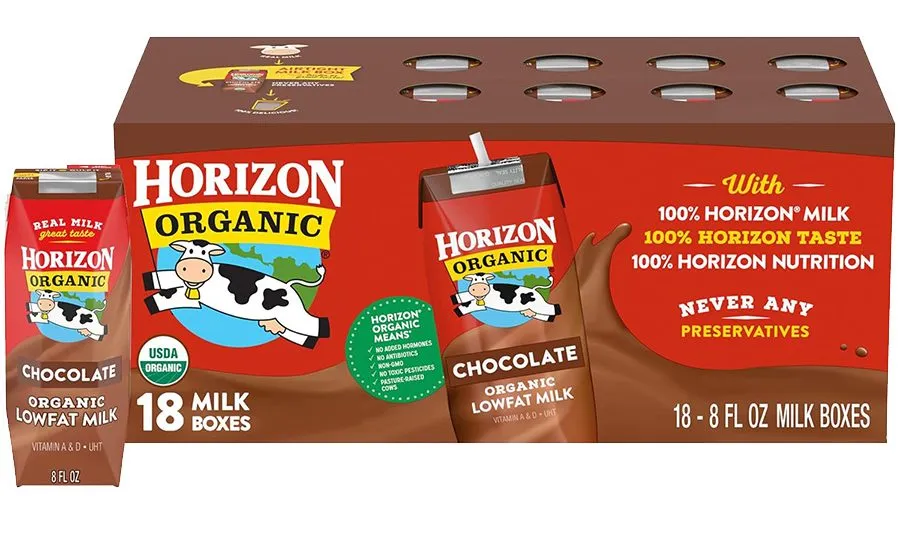
Table of Contents
Horizon Organic Dairy Pulls Over 53,000 Cases of Chocolate Milk Over Spoilage Risk
Provpnadvice.com – A voluntary recall announced by Horizon Organic Dairy is affecting more than 53,000 cases of its chocolate-flavored milk product, with the company alerting shoppers that affected cartons may have begun to spoil before their labeled expiration dates. The U.S. Food and Drug Administration confirmed the action, which was initiated on August 7 and targets specific multi-packs of the brand’s shelf-stable chocolate milk.
What Exactly Is Being Recalled
The recall covers certain 12-packs and 18-packs of 8-ounce cartons sold under the product name “Shelf-Stable (Aseptic) 1% Chocolate Milk.” Horizon Organic Dairy identified the affected items by specific UPC codes and best-by dates of January 2027 and February 2027. Shoppers who have these cartons at home should check the packaging against the product identifiers listed in the company’s media release to determine whether their purchase falls within the recall scope.
The company’s own statement described the concern plainly: some cartons showed packaging that appeared “bloated,” and the contents inside those cartons may have prematurely spoiled, potentially developing an unpleasant taste, odor, or texture. Horizon advised consumers who bought the affected product to discard it, retain their receipt or other proof of purchase, and reach out to the company to determine eligibility for a refund.
Why Bloating Matters in Shelf-Stable Dairy
Understanding the mechanics behind this recall helps explain why a puffed-up carton warrants a full product pull rather than a simple “check the smell” advisory. Shelf-stable, or aseptic, milk is processed and packaged in a sterile environment so that it can sit on a grocery shelf at room temperature without refrigeration until the carton is opened. The aseptic filling process seals the product in a multi-layered laminate that blocks light, oxygen, and microbial ingress. When that barrier is compromised—whether through a microscopic seam failure, a puncture during transport, or a manufacturing anomaly—microorganisms can enter the sealed environment.
Once bacteria or yeast gain access to a nutrient-rich liquid like chocolate milk, they metabolize sugars and proteins, producing gases such as carbon dioxide. That gas accumulates inside the rigid carton, causing the walls to bulge or “bloat.” The visual cue of a swollen package is therefore not merely cosmetic; it signals active microbial activity inside. The resulting spoilage can alter flavor, generate off-odors, and change the texture of the product in ways that are unpleasant and, in rare cases, potentially harmful if consumed in large quantities.
This distinction between a sealed, intact carton and a bloated one is precisely why Horizon chose a recall rather than a consumer advisory. A bloated carton cannot be reliably inspected by a shopper at the point of sale, and the spoilage may be advanced even if the exterior damage is subtle. Pulling the product from shelves eliminates the uncertainty entirely.
Timeline and Regulatory Oversight
The recall was formally initiated on August 7. Horizon Organic Dairy communicated the action through a media release, and the FDA listed the recall in its public database of ongoing food safety actions. The agency’s role in such cases is to oversee the recall process, verify that the company is reaching affected consumers, and confirm that the scope of the recall is appropriately calibrated to the defect identified. Voluntary recalls—those initiated by the manufacturer itself rather than mandated by a regulator—represent the most common pathway for dairy product corrections in the United States and generally indicate that the company identified the issue through its own quality-control monitoring or through a cluster of consumer complaints.
In this instance, the trigger appears to have been consumer complaints. Shoppers reported cartons with visibly swollen packaging and, in some cases, noticed off-flavors or odors after opening. Horizon’s response was to widen the net to all cartons sharing the same production parameters and best-by windows, ensuring that any carton with a latent seam defect—whether or not yet visibly bloated—would be removed from circulation.
What Consumers Should Do
If you have purchased Horizon Organic Dairy’s 8-ounce shelf-stable 1% chocolate milk in a 12-pack or 18-pack configuration, check the best-by date on the carton. Units dated January 2027 or February 2027 with the UPC codes specified in the recall notice are within scope. Inspect the carton for any swelling, bulging, or deformation of the packaging. If the carton appears normal but carries an affected date and code, the company still recommends discarding it as a precaution.
Keep your receipt, shopping-list screenshot, or any other documentation of purchase. Horizon has stated that consumers who contact the company with proof of purchase can determine whether they qualify for a refund. The company’s guidance is to throw the product away rather than return it to a store shelf, minimizing the chance that another shopper selects the same carton.
Broader Context for Dairy Shoppers
Dairy recalls in the United States occur with moderate regularity each year, spanning fluid milk, yogurt, cheese, and flavored milk products. Most are driven by packaging-integrity failures, foreign-object contamination, or labeling errors rather than by confirmed illness outbreaks. The chocolate-milk category, in particular, combines a high-sugar matrix with a shelf-stable format, making it a product where microbial growth—once introduced—can progress relatively quickly compared with ultra-pasteurized fluid milk that remains refrigerated throughout its distribution chain.
For shoppers, the practical takeaway is straightforward: a carton that looks puffed, dented, or otherwise deformed should not be purchased or consumed, regardless of the printed date. The best-by date on a shelf-stable product assumes an intact seal; once that seal is compromised, the date becomes meaningless. Horizon’s recall, while limited to a specific production window, underscores that principle and gives consumers a clear, actionable reason to inspect cartons before adding them to a cart.
Related Reading
Frequently Asked Questions
What is Milk recall warns of unpleasant taste?
Milk recall warns of unpleasant taste is the main topic of this guide. The article explains the context, practical details, and next steps readers should understand.
Why does Milk recall warns of unpleasant taste matter?
Milk recall warns of unpleasant taste matters because readers are looking for a useful answer, not just a short summary. Good content should match search intent and help them decide what to do next.