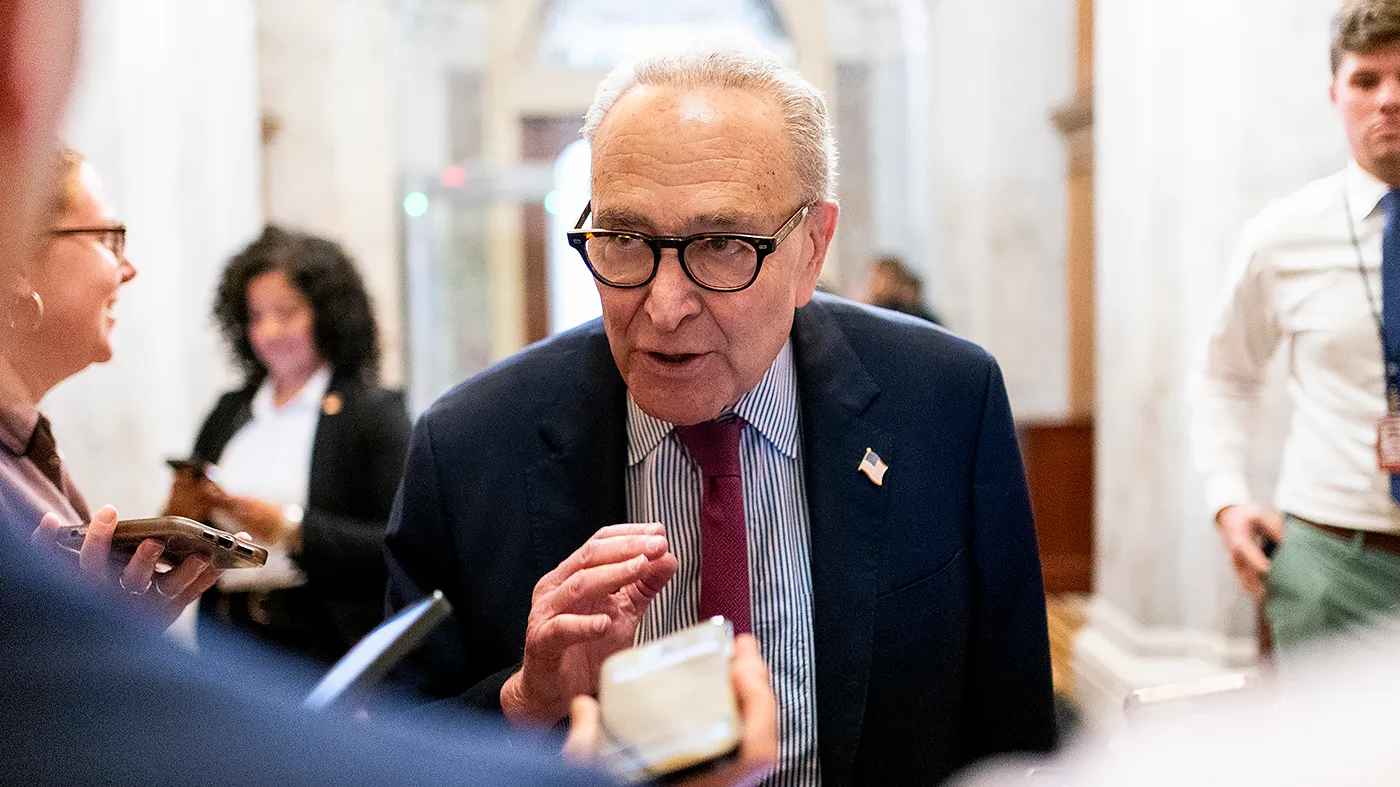
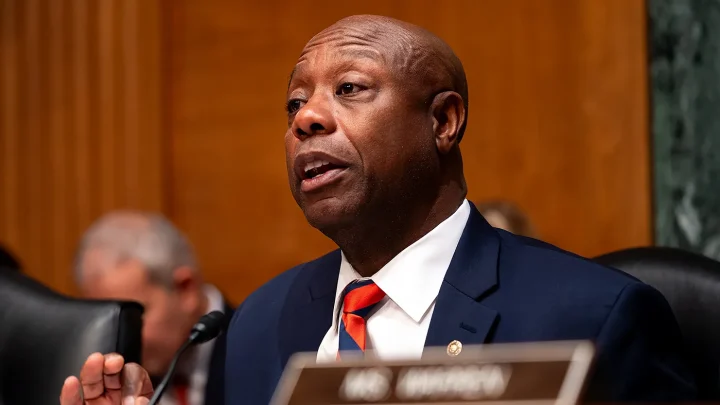
Tuberville says he likes to talk to ChatGPT on long drives


Table of Contents
Senator Embraces AI Chatbots for Education and Entertainment During Commutes
Provpnadvice.com – Alabama’s Senator Tommy Tuberville has found an unexpected companion for his lengthy journeys through his home state. The Republican politician, currently campaigning for the governor’s office, shared that he frequently engages with ChatGPT to make long car rides more productive and entertaining. Rather than simply listening to music or radio, Tuberville has turned to the artificial intelligence platform to explore topics of genuine interest to him.
During a recent conversation with journalists, Tuberville explained that he often discusses healthcare policy with the chatbot, particularly focusing on Medicare and Medicaid programs. He also enjoys hearing the AI’s voice responses play through his car speakers, creating an interactive experience that feels somewhat like conversing with a knowledgeable advisor. The senator noted that while users cannot always verify the accuracy of every response, the tool generally provides helpful guidance on complex subjects.
“It’s kind of like you can sit there and talk to an expert,” Tuberville observed. “You don’t know whether or not they’re 100 percent correct. But they put you on the right path.”
Broader Congressional Adoption of AI Tools
Tuberville’s experience reflects a growing trend among lawmakers who are incorporating artificial intelligence into their daily routines. Senator Elizabeth Warren from Massachusetts has also joined the ranks of AI enthusiasts, utilizing the technology to research demographic data for her legislative work. Warren has been particularly vocal about her support for implementing taxes on artificial intelligence companies, making her practical adoption of the technology especially noteworthy.
The legislative branch has moved relatively quickly to formalize AI usage policies. Over the past twelve months, both chambers of Congress have authorized their personnel to employ various chatbot platforms for professional tasks. The approved tools include Copilot, ChatGPT, Gemini, and Claude, with the latter being particularly popular among House members.
Financial data reveals interesting patterns in how different parties utilize these technologies. Analysis of congressional spending records indicates that ChatGPT has emerged as the most frequently purchased AI service within the House of Representatives. Furthermore, Democratic lawmakers have demonstrated significantly higher adoption rates, with their expenditures reaching approximately three times the level of their Republican counterparts.
Navigating AI Risks and Benefits
As more congressional offices embrace generative AI, they are also developing strategies to manage potential complications. Representative Anna Paulina Luna from Florida recently addressed a situation where her office accidentally included AI-generated content in official documentation. A staff member had pasted an answer created by Claude directly into the public record for the National Defense Authorization Act, creating a minor but notable incident.
Luna responded to the situation with characteristic pragmatism, noting that many of her colleagues already rely on various AI platforms for routine tasks. She personally favors Grok but has no objection to her staff using Claude instead. “A lot of staff will use ChatGPT, Claude, Grok,” she explained. “I personally like Grok better, but my staffer prefers Claude. I’m not gonna knock him for that. There’s nothing illegal about him doing a summary.”
The Congressional Research Service has provided comprehensive guidance on how federal entities can leverage artificial intelligence while minimizing risks. The organization identified numerous applications for AI, including content creation, summarization, speech writing, and bill drafting. However, the CRS also cautioned about potential problems such as “confabulation or hallucination,” which could result in the tools producing inaccurate information or amplifying existing errors.
Creating Effective Guardrails
Senator Elissa Slotkin from Michigan has taken a proactive approach to AI integration within her office. She collaborated with her team to establish clear guidelines and training programs for staff members who wish to incorporate AI into their workflow. Her strategy emphasizes using these tools to improve efficiency rather than replacing human judgment entirely.
“We didn’t want to prohibit the use of the newest tools,” Slotkin stated. “But we also didn’t want absolute schlock showing up in my memos.”
This balanced perspective reflects a broader understanding among lawmakers that artificial intelligence represents both opportunity and responsibility. As these technologies continue to evolve, congressional offices are learning to harness their potential while maintaining the standards of accuracy and professionalism that constituents expect from their elected representatives.
Related Reading
Frequently Asked Questions
What is Tuberville says he likes to talk?
Tuberville says he likes to talk is the main topic of this guide. The article explains the context, practical details, and next steps readers should understand.
Why does Tuberville says he likes to talk matter?
Tuberville says he likes to talk matters because readers are looking for a useful answer, not just a short summary. Good content should match search intent and help them decide what to do next.