Senate overwhelmingly passes sweeping bipartisan housing affordability bill

Senate Approves Bipartisan Housing Affordability Legislation
Provpnadvice.com – On Monday, the Senate gave its final approval to a sweeping bipartisan bill designed to tackle the growing affordability crisis in the U.S. housing market, sending the measure to the House for consideration. The legislation, which passed with an overwhelming 85-5 vote, aims to address soaring costs by introducing a range of policy changes that could reshape how housing is developed and managed across the country.
The rare display of unity among lawmakers underscores the urgency of the issue as the midterm election cycle intensifies. With rising living expenses dominating public discourse, the bipartisan effort to pass the bill reflects a shared recognition of the need for immediate action. Senators and representatives from both parties have worked together to craft a solution that balances competing priorities, ensuring it can be presented as a tangible victory for constituents.
Named the 21st Century ROAD to Housing Act, the bill consolidates over 45 distinct provisions from various proposals in the Senate and House. These measures span multiple areas, including streamlining environmental review processes for housing projects, promoting the renovation of existing homes, and encouraging local governments to increase housing supply through incentives. The legislation’s breadth is intended to address both structural and immediate challenges, from bureaucratic hurdles to market imbalances.
Among the most contentious aspects of the bill was a provision targeting private equity firms. This measure sought to limit their ability to acquire single-family homes, a policy that sparked months of debate between Senate and House Republicans. Initially, Senate Republicans had aimed to impose a total ban on such purchases, aligning with a Trump executive order issued in January. However, House Republicans pushed for a more moderate approach, advocating for language that would restrict firms with existing ownership thresholds rather than outright prohibit them.
The final compromise restricts companies that already own more than 350 single-family homes from acquiring additional properties. This middle-ground solution has been praised by some as a practical step toward curbing speculative buying, while others argue it falls short of the more aggressive measures originally proposed. The provision highlights the delicate balance between addressing affordability and maintaining the flexibility needed for market participants to invest in housing.
Another key agreement between the chambers was the three-year authorization of a federal grant program for disaster recovery. Senate leaders had sought indefinite continuation of the initiative, while House members wanted it to expire after a set period. The Senate’s version, approved this week, settles on a three-year term, providing temporary relief to communities affected by natural disasters without committing to long-term funding.
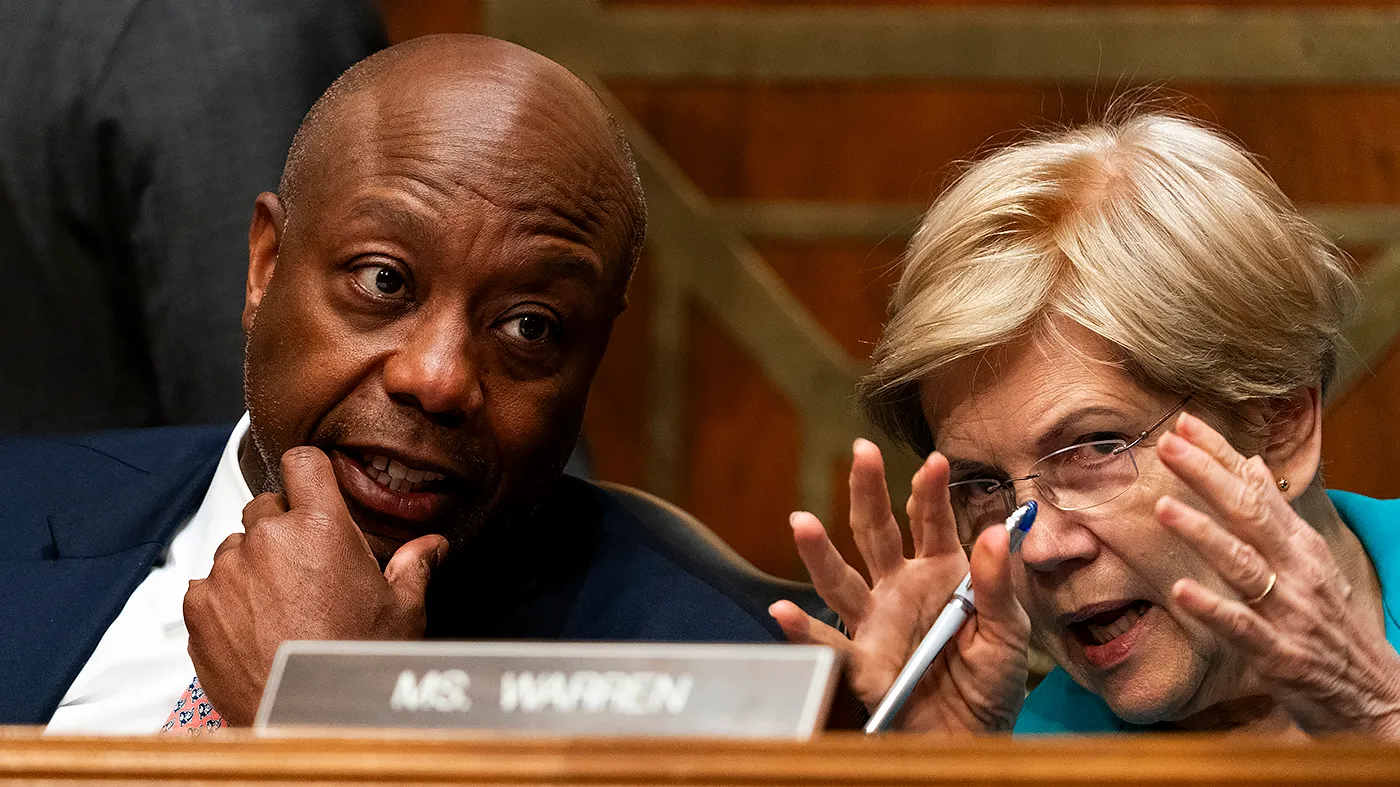
Senators Tim Scott (R-S.C.) and Elizabeth Warren (D-Mass.) played pivotal roles in steering the bill through the Senate. Their House counterparts, Rep. French Hill (R-Ark.) and Maxine Waters (D-Calif.), were also instrumental in securing its passage. Scott emphasized the personal stakes for younger generations, drawing parallels between their current struggles and his own experiences decades ago. In a speech on the Senate floor, he highlighted how high housing costs force young people to delay major life decisions, such as marriage and parenthood, not due to a lack of drive, but because of financial pressure.
“Today’s vote proves that it is possible to find bipartisan, common ground on legislation that actually helps the American people. And, importantly, it proves that bipartisan legislation doesn’t have to be the weakest, most milquetoast agreement that doesn’t offend anyone or do too much to help anyone either,” Warren said before the vote.
Warren also underscored the bill’s significance, calling it the most impactful housing legislation to pass Congress in three decades. “The housing market is a mess. We’ve got a generational affordability crisis around housing in this country,” she added, stressing that while the bill is a crucial step, it is only the beginning of a broader effort.
Politically, the bill marks a rare moment of bipartisan cooperation in an era where partisan divides often stifle progress. The last non-spending bill to achieve a similar margin of approval in the Senate was the Halt All Lethal Trafficking of (HALT) Fentanyl Act in early 2025, which passed with near-unanimous support. Another notable example was the Epstein Files Transparency Act, which received unanimous consent later that year. These precedents highlight the growing importance of affordability issues in shaping legislative priorities ahead of midterms and potentially future elections.
Despite its progress, the bill’s influence on the public may not be immediate. Experts suggest that the provisions could take time to fully materialize, as they require implementation by federal agencies and local governments. However, its passage signals a shift in how lawmakers view housing affordability, moving from a niche concern to a central issue in national policy.
Sen. Josh Hawley (R-Mo.) expressed support for the bill, calling it a “good deal” in the context of addressing cost-related challenges. “We should do a lot more things to bring down the costs of other items, like gas, like healthcare. You know? I mean, like everything we can get our hands on,” he said, framing the legislation as part of a broader strategy to reduce everyday expenses for Americans.
For Democrats, the bill’s success could serve as a catalyst for further action. While it includes provisions to lower costs, they hope the momentum will lead to additional measures, such as increased federal investment in housing supply programs. “This housing bill is big. But our housing crisis is even bigger,” Warren reiterated, urging continued efforts to address the issue comprehensively.
The bipartisan bill’s passage also illustrates the challenges of achieving consensus in a polarized environment. By combining elements from both parties, it avoids the pitfalls of overly rigid or partisan solutions, offering a pragmatic approach to a complex problem. As the House moves to take up the legislation, the focus will shift to maintaining the same level of support, ensuring it becomes law and begins to impact the nation’s housing landscape.
With the House expected to pass the bill soon, the next step will be for President Trump to sign it into law. If signed, the act could become a landmark piece of legislation, setting the stage for ongoing debates about the role of government in addressing housing costs. The bill’s success may also influence future policy discussions, particularly as the 2028 elections approach and affordability remains a key issue for voters across the country.
Key Provisions and Broader Implications
Among the bill’s provisions, the environmental review waiver is intended to accelerate housing construction by reducing regulatory delays. This measure has drawn praise from industry advocates, who argue it will help meet the demand for affordable homes. However, critics warn that it could lead to compromises in sustainability standards, requiring careful oversight to ensure long-term benefits.
The renovation incentives are another component, aiming to revitalize aging housing stock and improve living conditions without increasing costs. By offering financial support for upgrades, the bill encourages homeowners to modernize their properties, potentially increasing market supply and reducing the need for new construction. This dual approach—expanding supply and improving existing units—reflects a holistic strategy to combat affordability issues.
The compromise on the private equity provision is seen as a pragmatic solution that addresses concerns without alienating either party. By setting a threshold of 350 homes, the bill prevents large-scale acquisitions that could drive up prices while allowing smaller investments to proceed. This approach balances the need for market regulation with the flexibility to foster development.
Looking ahead, the bill’s success may embolden lawmakers to pursue more ambitious reforms. Democrats, in particular, are optimistic about leveraging its passage to advocate for expanded federal programs that directly increase housing supply. These initiatives could include funding for affordable housing projects, tax incentives for developers, or grants for low-income communities.
The broader implications of the legislation extend beyond immediate cost reductions. By fostering collaboration between parties, it sets a precedent for future efforts to tackle pressing national issues. As the House and White House prepare to act, the focus will remain on translating this bipartisan agreement into actionable policies that deliver real relief to Americans facing housing insecurity.