Kaine says Hegseth ‘grudge’ against Army looks ‘personal’

Kaine says Hegseth ‘grudge’ against Army looks ‘personal’
Provpnadvice.com – Senator Tim Kaine (D-Va.) raised concerns over the recent dismissal of General Chris Donahue, suggesting that Defense Secretary Pete Hegseth’s actions may reflect a personal vendetta against the Army. During an appearance on CBS News’s “Face the Nation” on Sunday, Kaine highlighted what he perceived as a pattern of targeting Army officials, questioning whether the decision was driven by professional judgment or a deeper resentment.
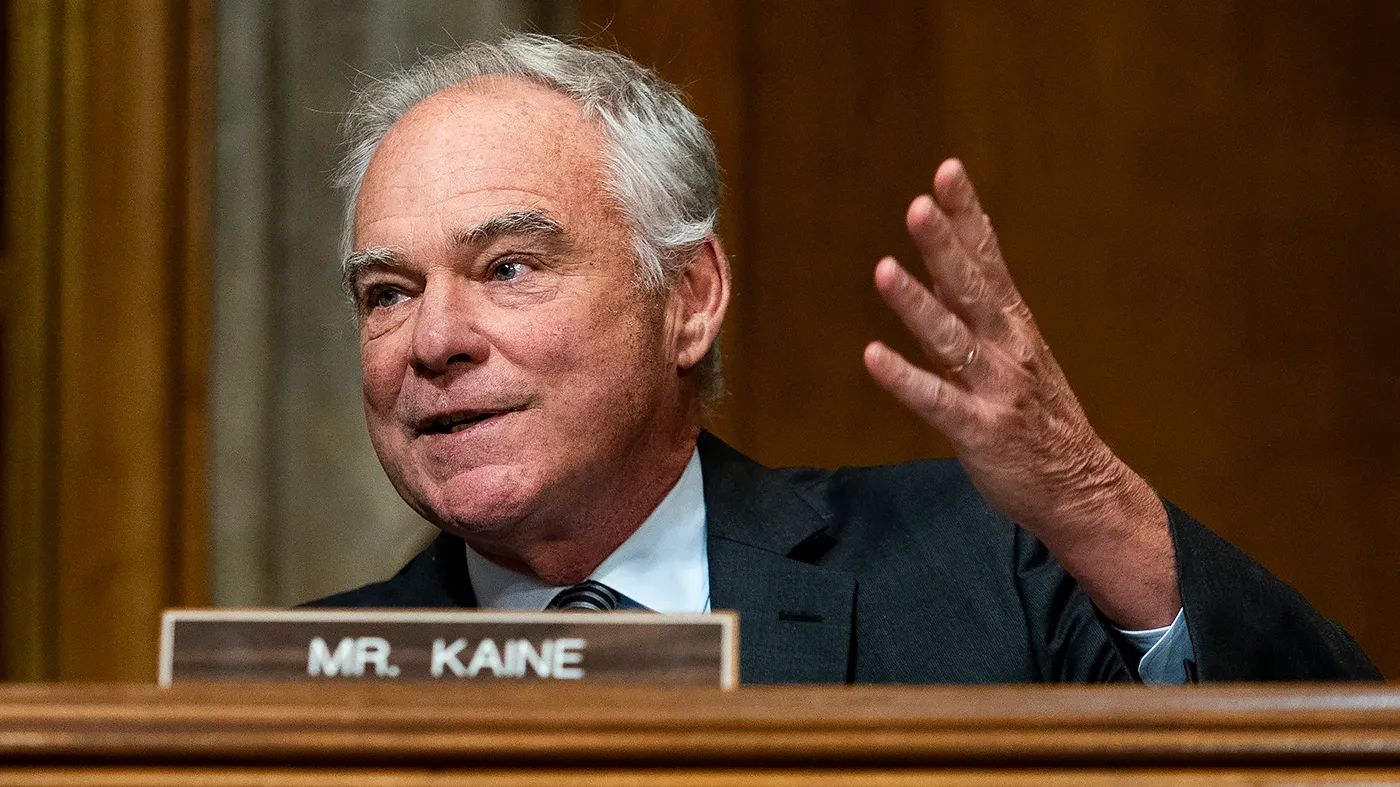
“Are you pushing out the truth tellers to surround yourself with yes-men? And in particular, it looks like the secretary is coming down hardest … on the Army,” Kaine told host Margaret Brennan. “He served in the Army, he felt like he wasn’t treated well by the Army, that’s a grudge he’s carried that he’s described publicly. And so, when you see Army officers forced out, you got to wonder, is this a personal thing, or is it really what’s best for the nation?”
Donahue, who commanded U.S. Army Europe and Africa, submitted his resignation paperwork earlier this week, ending his tenure after more than a year in the role. A Pentagon official confirmed to The Hill that the general will officially step down on July 2, marking another significant exit in a series of high-profile military leadership changes under Hegseth’s leadership. The Army’s decision to retire Donahue has sparked speculation about the motivations behind the move, especially as it coincides with Hegseth’s efforts to reshape the military’s upper echelon.
Donahue’s departure is part of a broader trend of Pentagon leadership reshuffling that has seen several senior officers removed or pressured to resign. This includes General Charles Q. Brown Jr., who previously led the Joint Chiefs of Staff; Admiral Lisa Frachetti, the Navy’s chief of naval operations; Admiral Linda Fagan, the Coast Guard’s commandant; General Randy George, the Army’s chief of staff; and General James Mingus, the vice chief of staff of the Army. These departures have raised eyebrows among military analysts and lawmakers, who are now scrutinizing the consistency of Hegseth’s approach to leadership transitions.
Lawmakers from both major parties have voiced apprehension about the pace and direction of these firings. Senator Thom Tillis (R-N.C.), a well-known critic of the Trump administration, accused Hegseth of making an “unforced” error by ousting Donahue. Tillis emphasized that strong leaders should not fear accomplished commanders, implying that Hegseth’s actions might stem from a lack of confidence in the Army’s leadership.
“Strong leaders are not threatened by accomplished commanders. Weak ones are. His paranoid micromanagement of senior military leaders and promotion lists is pure insecurity dressed up as reform,” Tillis wrote on social media, referencing Hegseth’s decision.
In contrast, Representative Clay Higgins (R-La.), a member of the House Armed Services Committee, urged for a more measured approach. He argued that observers should wait for the facts before drawing conclusions about the reasons behind Donahue’s exit. Higgins stressed the importance of transparency in the chain of command, emphasizing that the Pentagon’s rationale for the firing should be thoroughly examined before attributing it to personal bias.
“I don’t automatically presume some improper decision was made by chain of command when somebody is let go and removed from a chain of command that was unexpected,” Higgins told The Hill. “The facts about the general’s departure should come out first before we start making assumptions.”
Kaine, who serves on the Senate Armed Services Committee, added that the situation has left the panel with unanswered questions. He noted that the departure of Donahue “caught us all by surprise,” underscoring the lack of clarity surrounding the Pentagon’s decision-making process. The senator also pointed out that the committee has not yet received satisfactory explanations from the Department of Defense about the circumstances of the firing.
Earlier this month, the House Armed Services Committee passed a provision in the annual National Defense Authorization Act (NDAA) requiring the Pentagon to notify Congress in writing within five days of any senior military officer’s dismissal. This measure aims to ensure greater accountability and transparency in leadership decisions. Kaine, however, is looking to expand on this by proposing additional congressional oversight mechanisms for Pentagon firings.
Speaking to CBS News, Kaine indicated that his party might introduce stricter guidelines for the removal of senior military officials as the NDAA moves to the Senate floor for debate later this year. He suggested that these proposals could gain bipartisan support, as both parties have expressed concern over the current trajectory of military leadership changes.
“When we bring it up on the floor, I think by then, we’ll have some of our questions answered, and if we need to go [further] to put some guardrails in place, you’ll probably find bipartisan support to do that,” Kaine said, highlighting the potential for collaborative action.
The ongoing scrutiny of Hegseth’s tenure comes at a critical time for the Department of Defense. Critics argue that his focus on aligning military leadership with his vision has created a climate of uncertainty, potentially undermining the stability of key commands. Meanwhile, supporters contend that Hegseth’s reforms are necessary to modernize the armed forces and align them with current strategic priorities.
As the Senate prepares to take up the NDAA, the debate over military leadership and accountability is expected to intensify. Kaine’s comments have reignited discussions about the balance between executive authority and congressional oversight, with many calling for a clearer framework to ensure that decisions to remove senior officers are both justified and transparent. The fate of Donahue’s retirement and the broader implications for the military’s hierarchy will likely remain central to these conversations in the coming weeks.