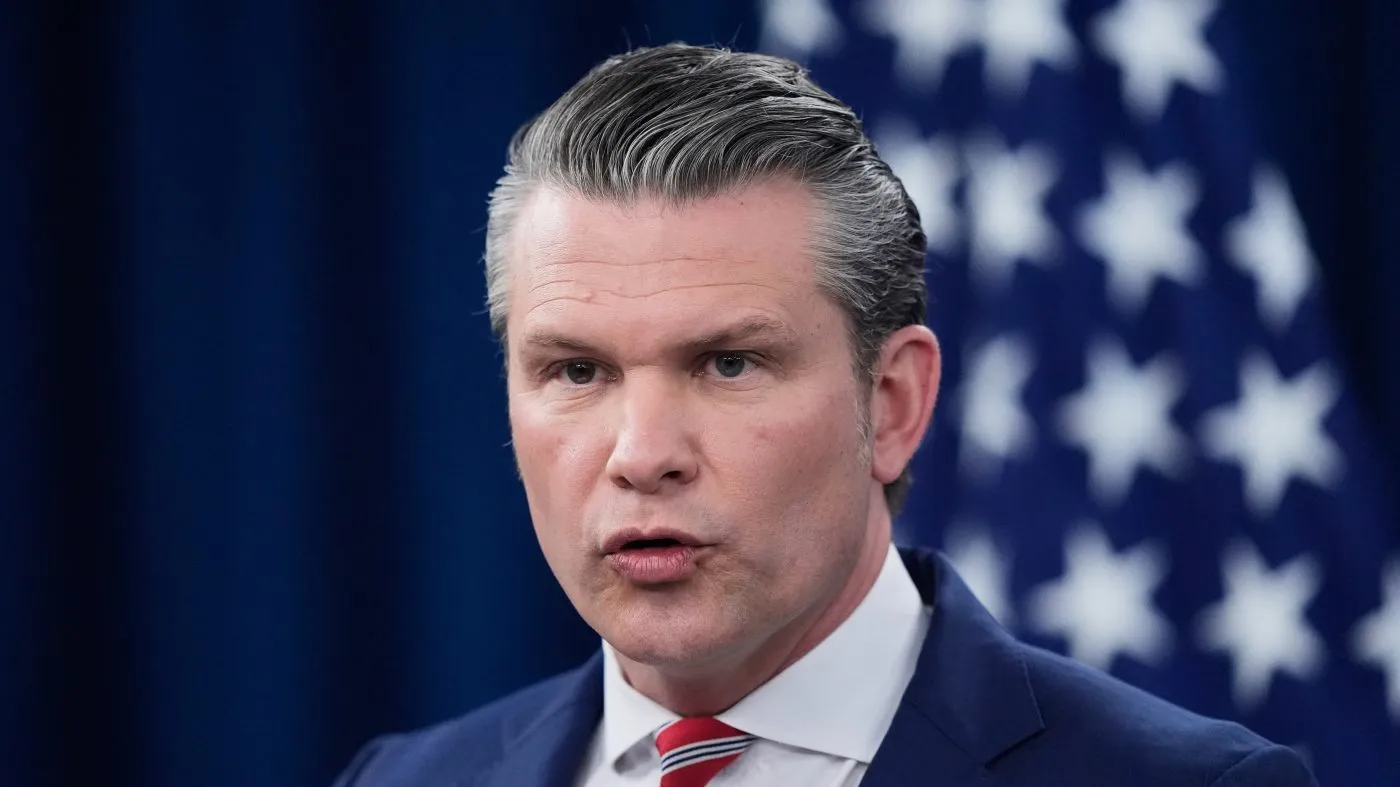
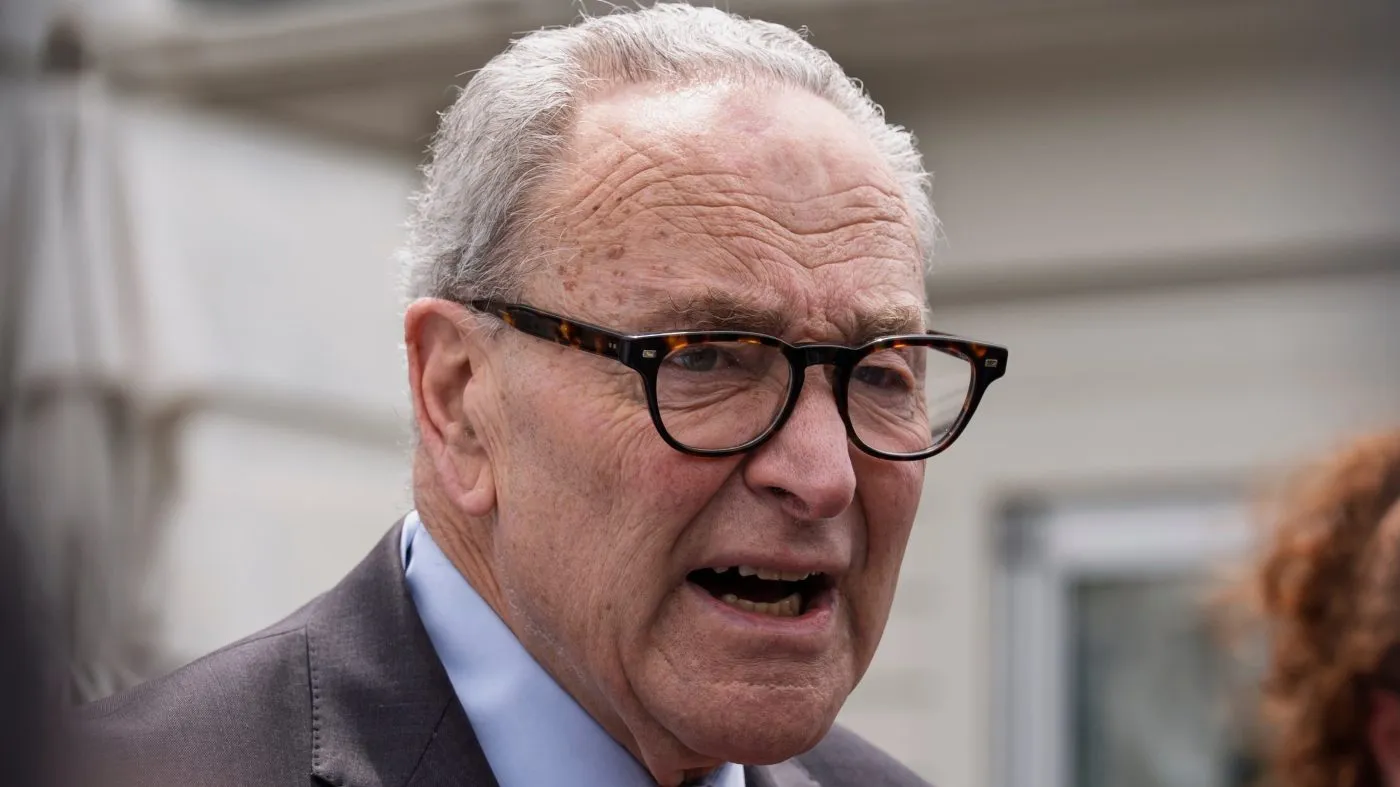
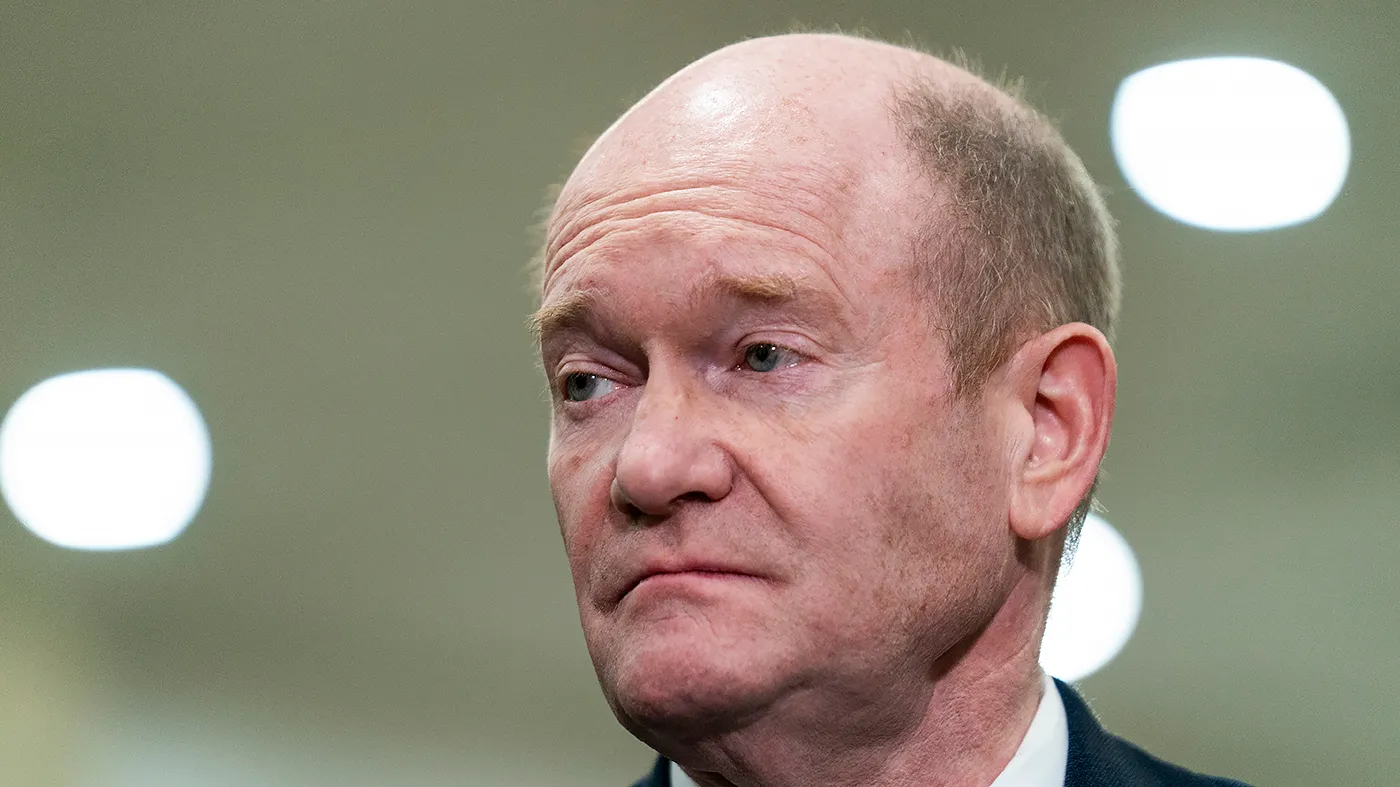
Democrats press DHS on election security funding

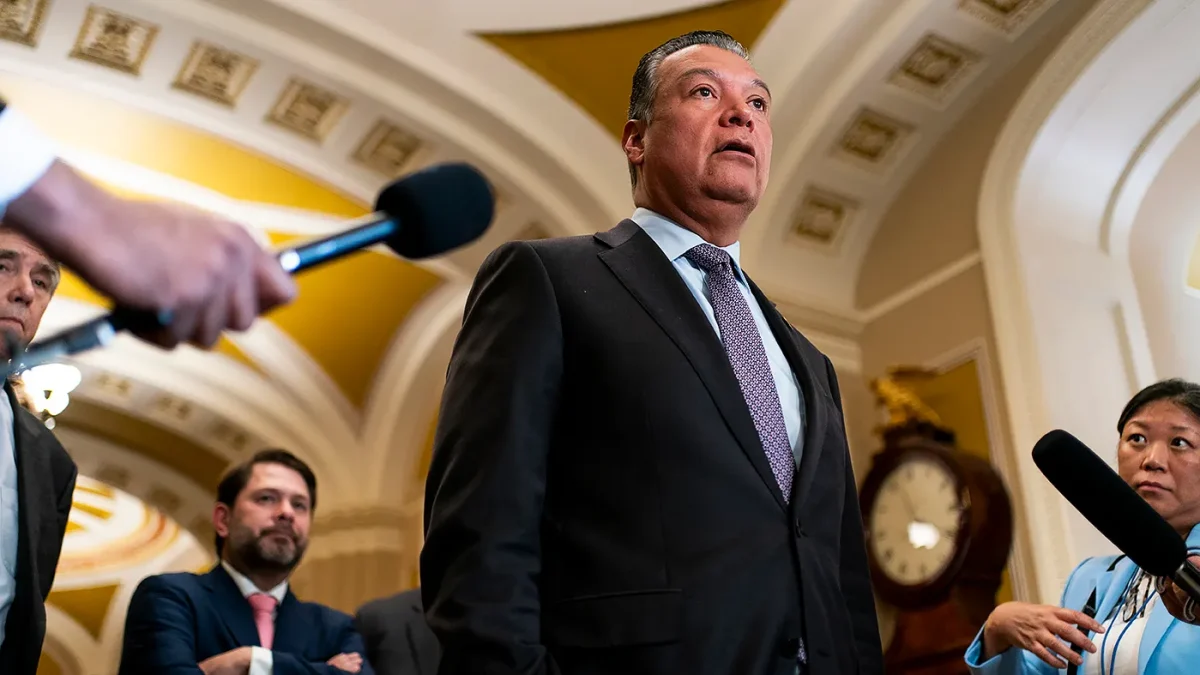
Table of Contents
Election Security Funding Stalls as Democrats Demand Answers From DHS and CISA
Provpnadvice.com – A critical gap in federal election-security financing has drawn sharp criticism from two senior Democrats, who are now demanding that the Department of Homeland Security account for why millions of dollars earmarked for local election offices remain untouched more than four months after Congress authorized their release. The dispute centers on the Elections Infrastructure Information Sharing and Analysis Center, commonly called EI-ISAC, a program that has long served as a technical backbone for thousands of county and municipal election offices across the country.
The Letter and Its Targets
Sen. Alex Padilla of California and Rep. Joe Morelle of New York jointly addressed a letter to DHS Secretary Markwayne Mullin and Nick Anderson, who serves as acting director of the Cybersecurity and Infrastructure Security Agency. The two lawmakers framed their message around what they described as a narrowing window of opportunity for federal agencies to shore up defenses against both cyber intrusions and coordinated misinformation campaigns aimed at upcoming elections.
“Grave concern that time is running out” for the agencies “to assist state and local election officials in protecting our elections from cyber and mis- and disinformation threats,” the letter stated.
The correspondence made clear that the frustration was not merely procedural. Padilla and Morelle pointed to a bipartisan congressional directive issued more than four months earlier, instructing DHS and CISA to continue Election Security Program activities that had been funded in fiscal year 2024. Despite that explicit instruction, the funds have not reached their intended recipients.
What EI-ISAC Does and Why Its Silence Matters
For election administrators in small counties and rural municipalities, EI-ISAC has functioned as a shared-services hub: a place where local officials could obtain guidance on ballot-system vulnerabilities, coordinate incident response, and access pooled expertise that no single office could afford independently. Its continued operation was baked into the fiscal year 2024 appropriations, and Congress expected the program to carry forward without interruption.
Instead, the two lawmakers wrote that CISA had failed to distribute any portion of the appropriated money to the center.
“However, under your leadership, CISA has still not provided any of the over $39.6 million in appropriated funds to the EI-ISAC,” the pair wrote. “The failure to restore this funding as directed by Congress is a disservice to the thousands of election jurisdictions across this country.”
The figure at issue — more than $39.6 million — represents not a single line item but the aggregate of resources Congress set aside to keep the election-security infrastructure running. For a county election office in a state with limited IT staffing, the absence of that support can mean going without updated threat advisories, without coordinated response protocols, and without the shared analytical capacity that EI-ISAC was designed to provide.
Staffing Vacuum at CISA
Beyond the dollar question, Padilla and Morelle flagged a second, compounding problem: the agency’s own workforce. After CISA lost hundreds of personnel in recent months, the lawmakers noted that the agency was “only just beginning to take steps to reestablish working relationships with election officials and rehire critical staff ahead of the 2026 midterms.” In practical terms, that means the people who would normally field questions from county clerks, run tabletop exercises, or coordinate with state election boards are either gone or still being recruited back.
The timing of that rebuilding effort, the letter argued, collides with a deteriorating external threat environment.
A War Context and Water-System Attacks
The Democrats tied the funding delay to a broader national-security picture. They noted that the United States is engaged in an active conflict with the Islamic Republic of Iran, a country they said has “reportedly engaged in sophisticated cybersecurity attacks.” That framing was not abstract. In August, local water utilities in Minnesota, Michigan, and New Jersey suffered simultaneous intrusions that, per the FBI, produced a “loss of monitoring and control functionality” at affected facilities.
CISA had issued a public warning on July 22 about “ongoing Iranian-affiliated” cyberattacks targeting water infrastructure — days before the cluster of incidents struck those three states. The proximity of the warning to the attacks underscored, in the lawmakers’ view, how quickly a federal advisory can become a federal emergency if the agencies tasked with follow-through are underfunded and understaffed.
The Wider Interference Landscape
The letter did not limit its threat analysis to one adversary. Padilla and Morelle wrote that Russia, China, and a range of other foreign and non-state actors possess “significant cyber and online election interference capabilities, which are likely increasing with advances in artificial intelligence technology.” The reference to AI points to a growing concern among election officials that automated content generation and deepfake tools are lowering the cost of large-scale disinformation operations, making the defensive work of bodies like EI-ISAC more urgent, not less.
A Deadline and What Comes Next
The two lawmakers closed their letter with a concrete ask: distribute the appropriated funds to the election analysis center without further delay, and fill the vacant election-security positions at CISA. They gave Mullin and Anderson until September 9 to respond in writing on the status of both the disbursement and the hiring pipeline.
Whether that deadline produces a substantive answer, or simply another round of bureaucratic explanation, will shape how Congress approaches the next appropriations cycle. For the thousands of local election offices that depend on federal technical support to run fair, secure votes, the question is less about partisan optics and more about whether the infrastructure that keeps elections auditable and resilient will remain funded — or continue to sit idle in an agency account while the threat landscape accelerates around it.
Related Reading
Frequently Asked Questions
What is Democrats press DHS on election security?
Democrats press DHS on election security is the main topic of this guide. The article explains the context, practical details, and next steps readers should understand.
Why does Democrats press DHS on election security matter?
Democrats press DHS on election security matters because readers are looking for a useful answer, not just a short summary. Good content should match search intent and help them decide what to do next.