Bernie Moreno says Natalie Harp discourse has been ‘super misogynistic’

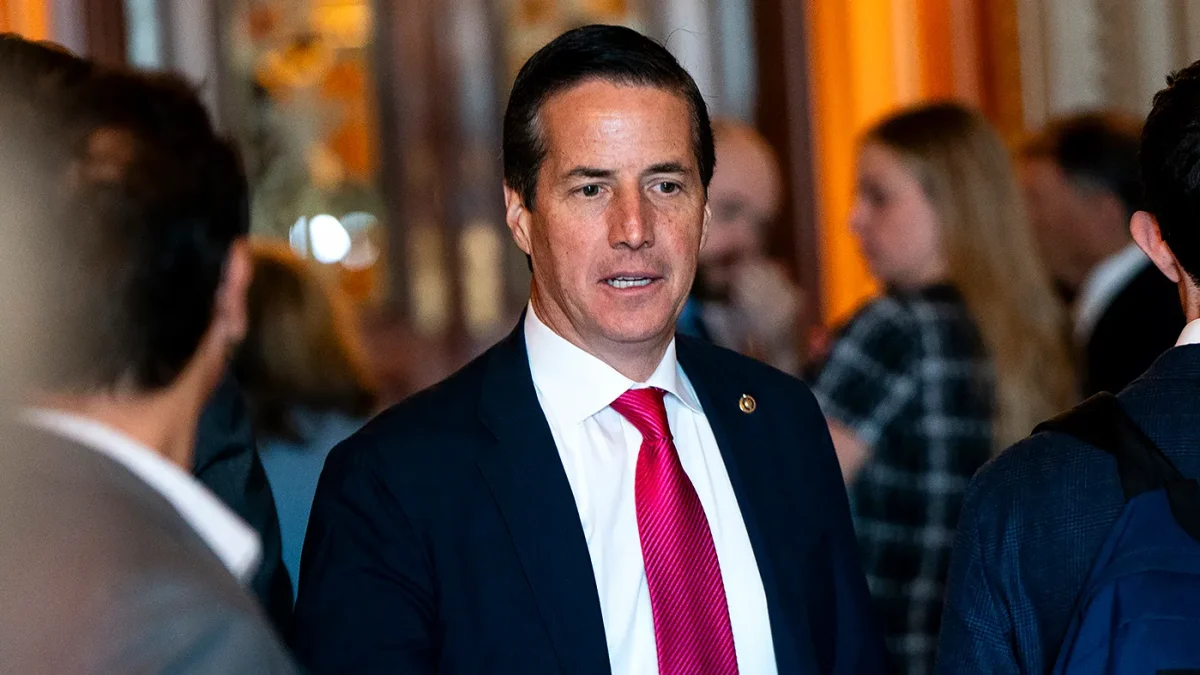
Table of Contents
Ohio Senator Slams Critics of White House Aide as “Super Misogynistic” Amid Relationship Allegations
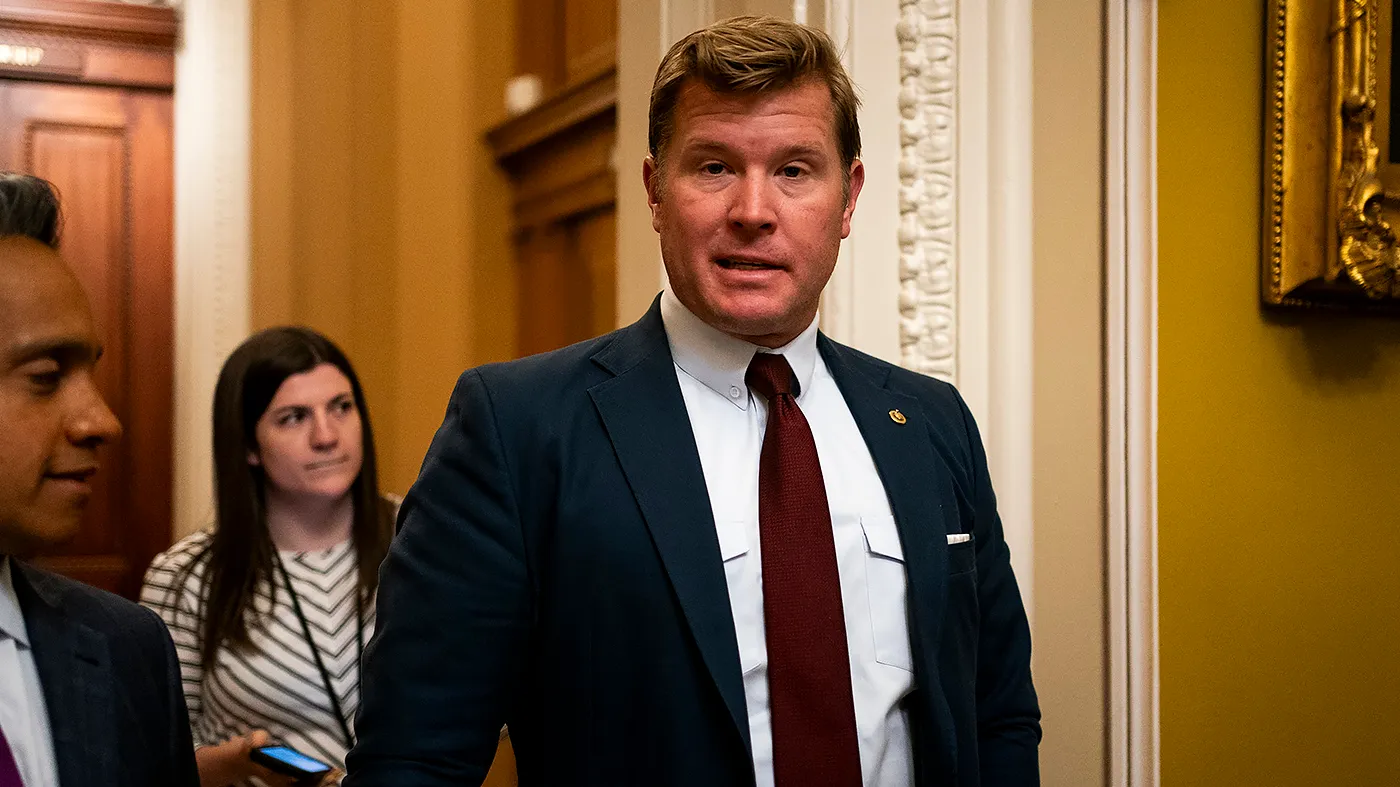
Provpnadvice.com – The latest chapter in the ongoing scrutiny surrounding President Trump’s inner circle took a sharp partisan turn on Sunday, when Senator Bernie Moreno of Ohio dismissed weeks of speculation about White House aide Natalie Harp as little more than gendered gossip. Speaking to reporters outside the Capitol, the Republican lawmaker characterized the wave of commentary questioning the nature of Harp’s professional relationship with the president as “super misogynistic,” a characterization that immediately drew attention to the broader culture-war dynamics now surrounding the West Wing.
The Letters That Sparked the Firestorm
The controversy traces back to reporting that surfaced personal correspondence between Harp and Trump, in which the aide expressed what critics described as unusually intimate devotion. Former White House staffers and members of the Democratic caucus seized on the material, arguing that the tone and content of the exchanges suggested a relationship that went beyond standard professional boundaries.
“You are all that matters to me,” Harp wrote to Trump in one letter. “I don’t want to ever let you down.”
In another passage, she addressed the prospect of professional failure with language that struck many readers as emotionally charged beyond typical workplace communication:
“And please, when I fail, will you tell me? You have the absolute right to cuss me out, if need be, when I deserve it, because no one knows or cares about me more.”
Those who circulated the excerpts framed them as evidence of an inappropriate dynamic, while defenders of Harp argued the letters reflected genuine gratitude and professional loyalty rather than anything romantic.
Moreno’s Defense: Talent, Kindness, and a Cancer History
Moreno, who said he knows Harp personally, pushed back firmly against what he called a narrative built on appearance rather than competence.
“That’s super misogynistic,” he told reporters. “I mean, the reality is she’s a very talented person. She’s very smart at what she does. She helps the president make sure he’s communicating. And the fact that if it was a guy, nobody would say that.”
The senator went further, suggesting the speculation exists primarily because Harp is female and attractive.
“When the reality is she’s very talented, she’s very, very smart. I happen to know her very well. It’s also obviously a very kind person. She went through bone cancer in her twenties,” Moreno said. “I mean, look at the other day, I’ve always said, let’s just keep personal issues out.”
His remarks underscored a recurring theme in Republican communications: that female aides to powerful men face a level of personal scrutiny their male counterparts rarely encounter, and that professional competence should be the sole metric by which staff performance is judged.
From Cancer Survivor to the President’s Right Hand
Harp’s path to the White House carries a personal dimension that both supporters and critics have noted. Diagnosed with bone cancer in her twenties, she credited Trump with signing the Right to Try Act, legislation that expanded patients’ access to experimental treatments not yet approved by the Food and Drug Administration. Harp has said the act gave her access to therapies that ultimately cured her disease, a claim she made publicly during the 2024 campaign season when she worked on the president’s behalf.
Before entering the West Wing, Harp served as a television host on One America News Network. Following the election, she transitioned into a senior executive assistant role directly supporting the president. Colleagues inside the White House have nicknamed her the “human printer,” a reference to her practice of carrying curated news clippings, briefings, and commentary into Air Force One flights and high-level meetings so the president can access information on demand without waiting for staff to retrieve documents.
Ossoff’s Rally Remarks and the Air Force One Question
The political debate over Harp’s proximity to Trump gained additional fuel when Senator Jon Ossoff of Georgia, speaking at a campaign rally roughly two weeks before Moreno’s comments, suggested the president was more interested in the White House ballroom renovation project and in “travel with Natalie on their apparently defenseless flying palace gifted by the Emir of Qatar” than in governing. Ossoff’s remarks referred to the new Air Force One jet, a gift from the Emir of Qatar that has generated its own separate controversy over foreign gifts to the executive branch and questions about whether the aircraft meets standard military specifications.
The White House pushed back against Ossoff’s characterization, and the exchange illustrated how Harp’s presence on presidential travel has become a proxy battleground for larger disputes about executive accountability, foreign gifts, and the optics of close personal relationships in government.
Eric Trump Enters the Conversation
The president’s son, Eric Trump, weighed in publicly on the social platform X, posting a defense of Harp that emphasized her personal history and work ethic.
“Natalie is an incredible young woman — a cancer survivor, a genuinely good person, and arguably one of the hardest-working people in the White House. She’s deeply committed to my father, to her job, and to this country,” he wrote.
The family’s public intervention, combined with Moreno’s congressional-level rebuttal, signaled that the administration intends to treat the allegations not as a minor personnel matter but as a coordinated political attack requiring a visible, unified response.
Broader Implications
The episode highlights a tension that has defined much of the current administration’s public communications: the gap between how staff relationships are perceived by outside observers and how those same relationships are framed internally as merit-based and professional. For Democrats, the letters represent evidence that warrants questions about boundaries and potential conflicts of interest. For Republicans, the focus on a female aide’s appearance and emotional language represents a pattern of scrutiny that would never apply to a male counterpart in an equivalent role.
Whether the matter remains a talking point at campaign rallies or evolves into formal oversight questions will depend on whether congressional committees choose to press the issue beyond the rhetorical level. As of now, the debate has stayed firmly in the realm of public commentary, with both sides using Harp’s position to make larger points about gender, loyalty, and the boundaries of presidential power.
Related Reading
Frequently Asked Questions
What is Bernie Moreno says Natalie Harp discourse?
Bernie Moreno says Natalie Harp discourse is the main topic of this guide. The article explains the context, practical details, and next steps readers should understand.
Why does Bernie Moreno says Natalie Harp discourse matter?
Bernie Moreno says Natalie Harp discourse matters because readers are looking for a useful answer, not just a short summary. Good content should match search intent and help them decide what to do next.