Former DOJ employees urge Senate to reject Todd Blanche AG nomination

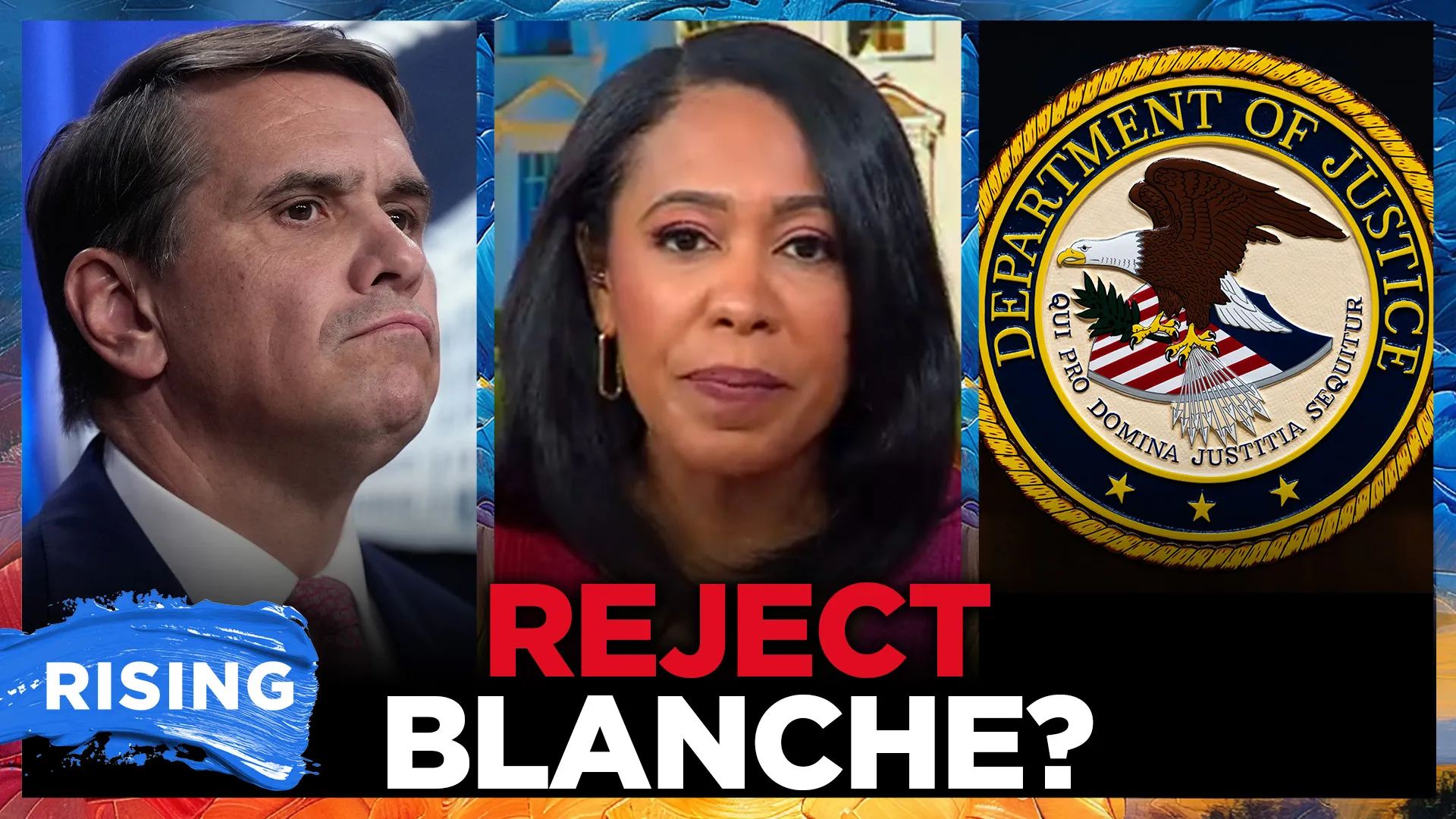
Over 1,200 Justice Department Veterans Call for Senate to Block Todd Blanche as Attorney General
A Growing Wave of Concern Among Career Officials
Provpnadvice.com – A substantial coalition of more than 1,200 former Justice Department personnel has formally petitioned the U.S. Senate to decline Todd Blanche’s candidacy for attorney general. These individuals represent a diverse cross-section of government service, having worked under both Republican and Democratic presidential administrations. Their collective message highlights serious concerns about Blanche’s leadership style and decision-making approach during his tenure.
According to these former officials, Blanche has fostered what they characterize as a “culture of fear” throughout the department’s workforce. They further allege that he has allowed political considerations to influence critical decisions while simultaneously diminishing the institutional independence that has traditionally defined the Justice Department.
The Letter’s Core Message
Scott MacFarlane, the chief Washington correspondent for MeidasTouch, was the first to report on this significant correspondence. The letter concludes with a powerful statement about the broader implications of Blanche’s leadership:
“The consequences of Blanche’s attacks on DOJ’s apolitical workforce radiate beyond the halls of Main Justice, affecting the entire country. They’ve meant that much of the department’s vital work isn’t being done, or isn’t being done as well—leaving communities less safe, Americans’ rights less protected, and our national security more vulnerable. The culture of fear Blanche has instilled within DOJ’s workforce must end. Respect for career professionals must return.”
Presidential Authority Versus Personal Representation
It is entirely appropriate for any president to select an attorney general whose policy views align with their own agenda. Electoral outcomes naturally shape governmental priorities. When voters choose a president who campaigns on stricter immigration measures, revised environmental regulations, or alternative criminal justice strategies, they should anticipate corresponding shifts in departmental leadership.
However, a meaningful distinction exists between a president’s attorney general who advances policy goals and one who functions primarily as the president’s personal legal counsel.
Blanche has undeniably occupied the role of Trump’s personal attorney during 2023 and 2024, providing legal defense against two separate federal indictments as well as the New York hush-money prosecution. Since assuming the position of acting attorney general, he has reportedly continued operating more as Trump’s personal lawyer than as the nation’s foremost law enforcement official. Legal scholars have characterized several of his actions as politically motivated, including the prosecution of former FBI Director James Comey and a reportedly initiated investigation into whether E. Jean Carroll provided truthful testimony during her civil lawsuit against Trump.
Additional Controversies and Institutional Impact
Blanche also played a central role in developing the proposed $1.8 billion Anti-Weaponization Fund. This initiative faced swift bipartisan opposition and legal challenges before being abandoned, particularly due to concerns about compensating January 6 rioters and supporters of the former president.
Furthermore, critics have accused him of failing to honor his commitment to recuse himself from cases involving potential conflicts of interest.
The significance of this letter extends beyond mere disagreement among former department officials. The sheer volume of signatories—over 1,200 individuals representing multiple administrations and varied political affiliations—demonstrates an extraordinary level of concern. These career professionals felt compelled to issue a public warning to senators ahead of the confirmation vote.
The Justice Department holds a distinctive position within the American governmental framework. While Cabinet departments openly implement presidential policy objectives, the DOJ has historically maintained that prosecutorial judgments should remain insulated from political interference.
Evaluating Blanche’s performance based on documented allegations and observable departmental changes would yield a failing grade. Reports indicate that approximately 21 percent of the department’s attorneys have departed through terminations, buyouts, or voluntary resignations. The American Bar Association has cautioned that top law school graduates are growing increasingly reluctant to pursue careers at the DOJ, while hiring criteria have apparently been relaxed to address staffing shortages.
Americans deserve a Justice Department guided primarily by legal principles rather than personal loyalty to any single president. The Senate Judiciary Committee bears the responsibility of ensuring the president selects a more qualified candidate.
Lindsey Granger serves as a NewsNation contributor and co-host of The Hill’s commentary program “Rising.” This piece represents an edited transcription of her on-air commentary.