College sports and sports gambling don’t mix

College Sports and Gambling: A Tangled Web
Provpnadvice.com – The U.S. Supreme Court’s 2018 decision to legalize sports betting reshaped the landscape of collegiate athletics, ushering in an era where wagering on games has become a mainstream phenomenon. Today, nearly all states offer sports betting opportunities, creating a steady revenue stream that supports state and local budgets. This financial infusion has transformed how college sports operate, but it has also introduced new challenges, particularly in the realm of athlete integrity.
From Pastime to Predicament
While betting on games is often seen as a harmless recreational activity for many, it can spiral into a compulsive behavior that devastates individuals and their families. For some, the thrill of predicting outcomes evolves into an addiction, draining savings and even leading to the loss of homes and mental well-being. This shift from casual engagement to financial ruin underscores the growing complexity of the issue, especially as young male athletes become increasingly vulnerable to the pressures of gambling.
The Sorsby Case: A Breaking Point
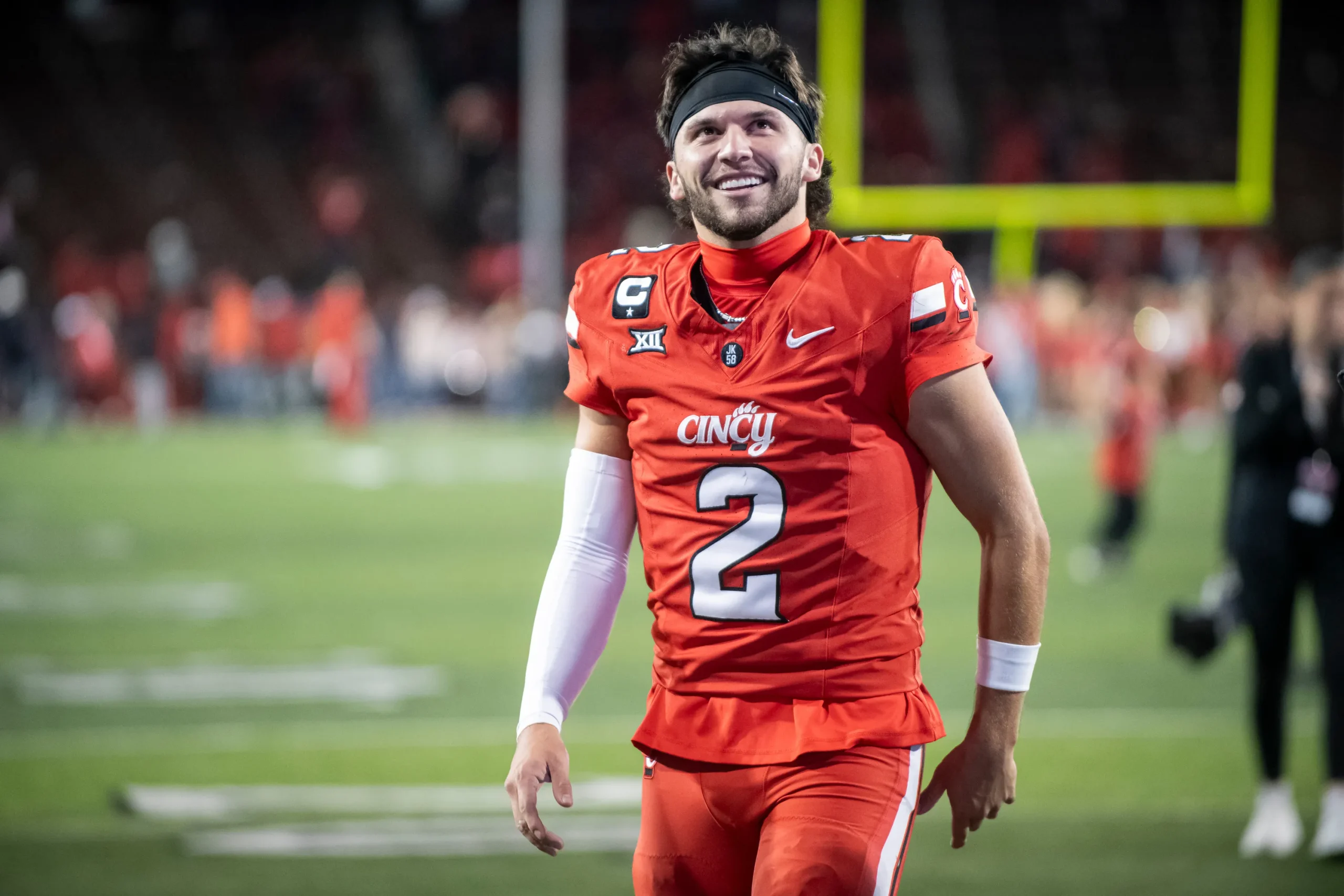
Brendan Sorsby’s recent actions have illuminated a critical flaw in the NCAA’s approach to managing sports betting. The quarterback, who initially played for Indiana University, transferred to the University of Cincinnati after securing a high-profile Name, Image, and Likeness (NIL) contract. His decision to move again to Texas Tech came with an even more substantial deal, but it also revealed a deeper problem: the ease with which athletes can exploit the system. Sorsby’s admission of a gambling addiction, which included placing bets on Indiana games while redshirting, triggered a legal battle that would shake the foundations of college sports governance.
At the heart of Sorsby’s case is the NCAA’s zero-tolerance policy toward sports betting. However, his lawsuit challenged this stance, arguing that the organization’s rules unfairly penalized athletes for actions they could no longer control. The court’s ruling in his favor granted a temporary injunction, allowing him to return to the field in 2026. Notably, the panel of judges—many of whom were Texas Tech alumni—emphasized the athlete’s right to pursue recovery, highlighting a tension between institutional oversight and personal responsibility.
While Sorsby’s individual story is significant, it symbolizes a broader trend of systemic dysfunction in college sports. The convergence of three key factors—NIL contracts, the transfer portal, and extended eligibility periods—has created a perfect storm for exploitation. Individually, these elements may seem benign, but together, they enable athletes to prioritize financial gain over fair play. The transfer portal, for instance, allows players to switch schools with relative ease, often to capitalize on lucrative opportunities. Meanwhile, NIL agreements have turned athletes into marketable commodities, incentivizing them to take risks that could jeopardize their careers.
College athletes now face unprecedented pressure to balance their roles as competitors and revenue generators. The Sorsby ruling has amplified this dilemma, giving athletes a legal avenue to defend themselves against accusations of gambling. This development threatens to undermine the NCAA’s ability to enforce uniform standards, as teams may hesitate to penalize players fearing similar lawsuits. For example, if schools like Georgia and Nebraska had followed through on their threats to avoid games against Texas Tech, the consequences could have rippled across the entire power conference, impacting athletes nationwide.
One of the most alarming aspects of Sorsby’s case is its potential to redefine the ethics of college sports. Athletes, particularly those in skill positions such as quarterbacks, running backs, and wide receivers, wield significant influence over their team’s performance. When betting extends beyond predicting winners to considering spreads, the line between competition and corruption blurs. Sorsby’s situation demonstrates how easily this dynamic can be manipulated, with athletes leveraging their marketability to create financial incentives that compromise fairness.
The NCAA’s zero-tolerance policy, once a cornerstone of athletic integrity, now appears vulnerable. Sorsby’s legal victory has emboldened other athletes to challenge the organization’s authority, citing the phrase “probable, imminent, and irreparable injury” as a defense. This argument suggests that the NCAA’s strict rules could lead to severe consequences for athletes who gamble, including being stripped of their eligibility. While this may protect some players, it risks normalizing the practice, as others might follow suit, believing they can avoid similar repercussions.
Despite these challenges, the Sorsby case also offers a lesson in adaptability. It reveals the need for athletic directors and coaches to navigate a complex new environment, where ethical considerations must be weighed against financial realities. Some institutions have already taken the high road, choosing to exclude athletes with gambling histories from competition even if they are eligible. This approach preserves the integrity of the game, albeit at the cost of potentially losing games or championships.
For college sports to retain their core values, a renewed commitment to accountability is essential. The recent events surrounding Sorsby serve as a wake-up call, emphasizing that gambling’s influence extends beyond individual choices. It has become a structural force, reshaping the relationship between athletes, teams, and the broader sports ecosystem. As the legal landscape continues to evolve, the NCAA must find ways to adapt its policies without sacrificing the principles that have long defined collegiate athletics.
A Path Forward for College Athletics
While the Sorsby ruling marks a pivotal moment, it also presents an opportunity to reimagine the future of college sports. By addressing the root causes of gambling addiction—such as financial incentives, peer pressure, and the allure of instant gratification—the NCAA can develop more nuanced strategies that support athletes without stifling their ambitions. This might involve clearer guidelines for NIL contracts, stricter monitoring of betting activities, and educational programs to promote responsible gambling habits.
Ultimately, the challenge lies in reconciling the commercialization of college sports with its traditional mission of fostering athletic excellence. The legalization of betting has brought new opportunities, but it has also introduced new risks. As athletes navigate this dual reality, the NCAA must ensure that the playing field remains fair, not just for the current generation but for those who will compete in the years to come. The Sorsby case is a reminder that while legal frameworks can enable certain behaviors, they cannot fully account for the ethical implications that arise when those behaviors threaten the soul of the sport.