Putin, now losing in Ukraine, may resort to a desperate gamble in the Baltics

Putin Now Losing in Ukraine: A Baltic Gamble?
Why the Baltics Could Be Moscow’s Next Move
Provpnadvice.com – With Putin now losing in Ukraine, the Russian president may be considering a desperate new strategy. As difficulties multiply on several fronts, Vladimir Putin is reportedly looking toward a bold intervention abroad. While maintaining public confidence, the Kremlin faces a worsening situation both in Ukraine and domestically. The social contract between ruler and citizens — that people will support the war in return for protection — is fraying. This weakness could make attacking a NATO member, possibly backed by nuclear threats, an attractive option for Moscow.
The Baltic states offer compelling targets. Estonia, with 1.36 million inhabitants, and Latvia, home to 1.85 million people, both contain substantial ethnic Russian communities — representing one-fifth and nearly one-fourth of their populations respectively. These demographic factors, combined with NATO’s geographic weaknesses, create conditions that might encourage Russian aggression.
The Cost of a Losing War
What started as a “special military operation” has become a grueling war of attrition. Russia has suffered approximately 1.2 million casualties, with monthly losses averaging 35,000. The conflict is now both unwinnable and unsustainable. Russia’s traditional strength — overwhelming infantry numbers — has diminished considerably. Even militaristic “Z” bloggers warn that another partial mobilization of 300,000 soldiers would simply send more conscripts to their deaths without altering the war’s trajectory. They contend that technological advancement, especially against Ukrainian drones, offers the real solution.
Economic pressures are intensifying dramatically. Russia’s economy contracted in the first quarter of 2025, with recession likely for most of the year. Oil and gas revenues have fallen below projections, unable to cover the estimated $900 million daily war expenditure, which now accounts for seventy percent of the national budget. Elevated interest rates at 14.25 percent have further weakened the civilian economy, already grappling with deflation. While official inflation registers at five percent, essential goods like bread and chicken have seen prices rise by double that rate.
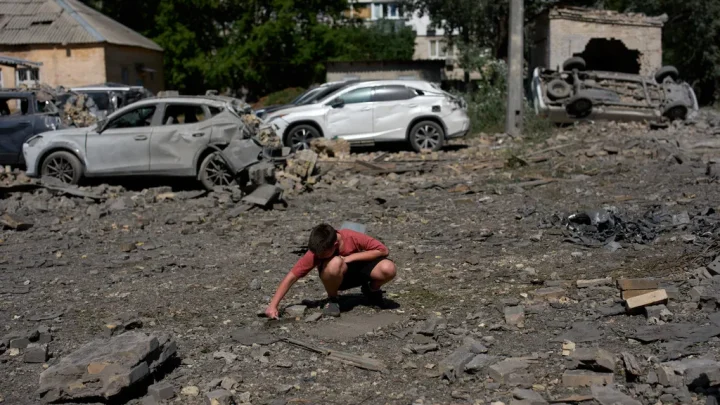
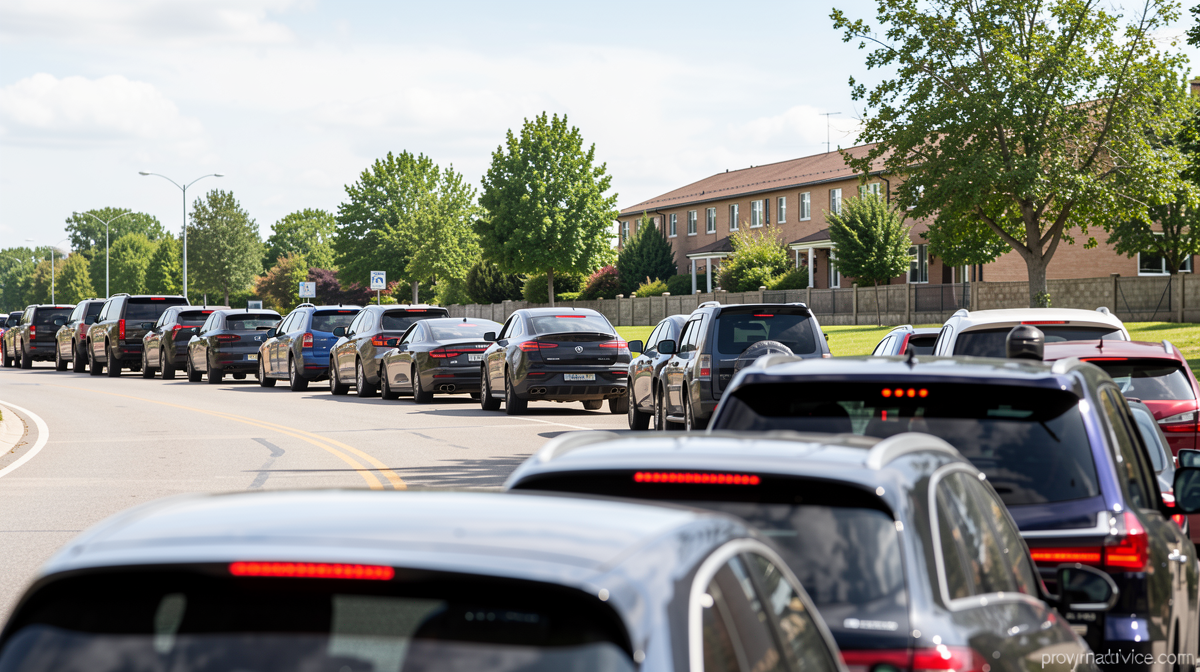
Ukrainian drone strikes have severely damaged Russia’s energy infrastructure, reducing gasoline production by more than twenty-five percent. Even Moscow now faces fuel rationing and extended petrol station queues. Recent bombings of the capital and St. Petersburg have embarrassed the Kremlin enough to scale back its Victory Day military parade. Meanwhile, weeks of aerial attacks have devastated transportation and power systems in occupied Crimea, triggering emergency declarations.
Domestic Unrest Meets International Opportunity
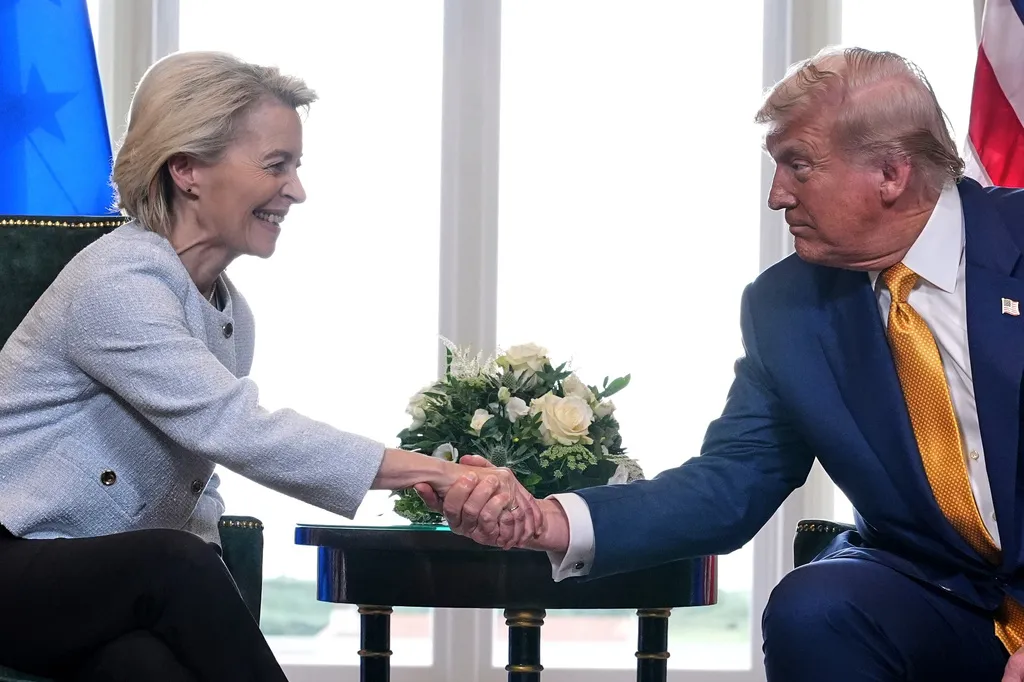
For the first time, official polling shows Putin’s popularity declining. At the same time, the Trump administration has created what seems like a unique opportunity. American uncertainty about NATO commitments, along with a perceived unwillingness to distinguish between legitimate defense and aggressive expansion, has attracted Moscow’s attention.
President Trump’s description of Zelensky and Putin as “two kids fighting in the park” illustrates a wider pattern of treatment. The Ukrainian president faced public criticism in the Oval Office and received a chilly welcome at multilateral events. Conversely, Putin enjoyed numerous cordial phone calls with Trump and was honored at a summit with full ceremonial protocol, including a red carpet and presidential limousine ride. Occasionally, Trump has appeared ready to accept Putin’s assertion that Ukraine started the conflict.
Don’t count on NATO “protecting” you in the case of Russia’s response, the Russian ambassador to the U.N., Vasily Nebenzya, told his Latvian counterpart: It would be you who “provoked Russia’s action.”
What a Baltic Invasion Could Look Like
If Russia launches an attack, initial moves would likely include drone and missile strikes on runways to block aerial reinforcements, plus disruption of the Warsaw-Kaunas railway — NATO’s only rail link to the Baltic states. Under such circumstances, the alliance’s 40,000-member Allied Reaction Force would need days or even weeks to deploy its essential capabilities. Additionally, any response requires unanimous agreement among thirty-two allied nations in Brussels that aggression has occurred, followed by a decision under Article 5 of the NATO Treaty regarding “such action as [they] deem necessary, individually or in concert with the other Parties to assist the Party or