KOSA advances Senate panel; age verification bill falls short of meeting quorum

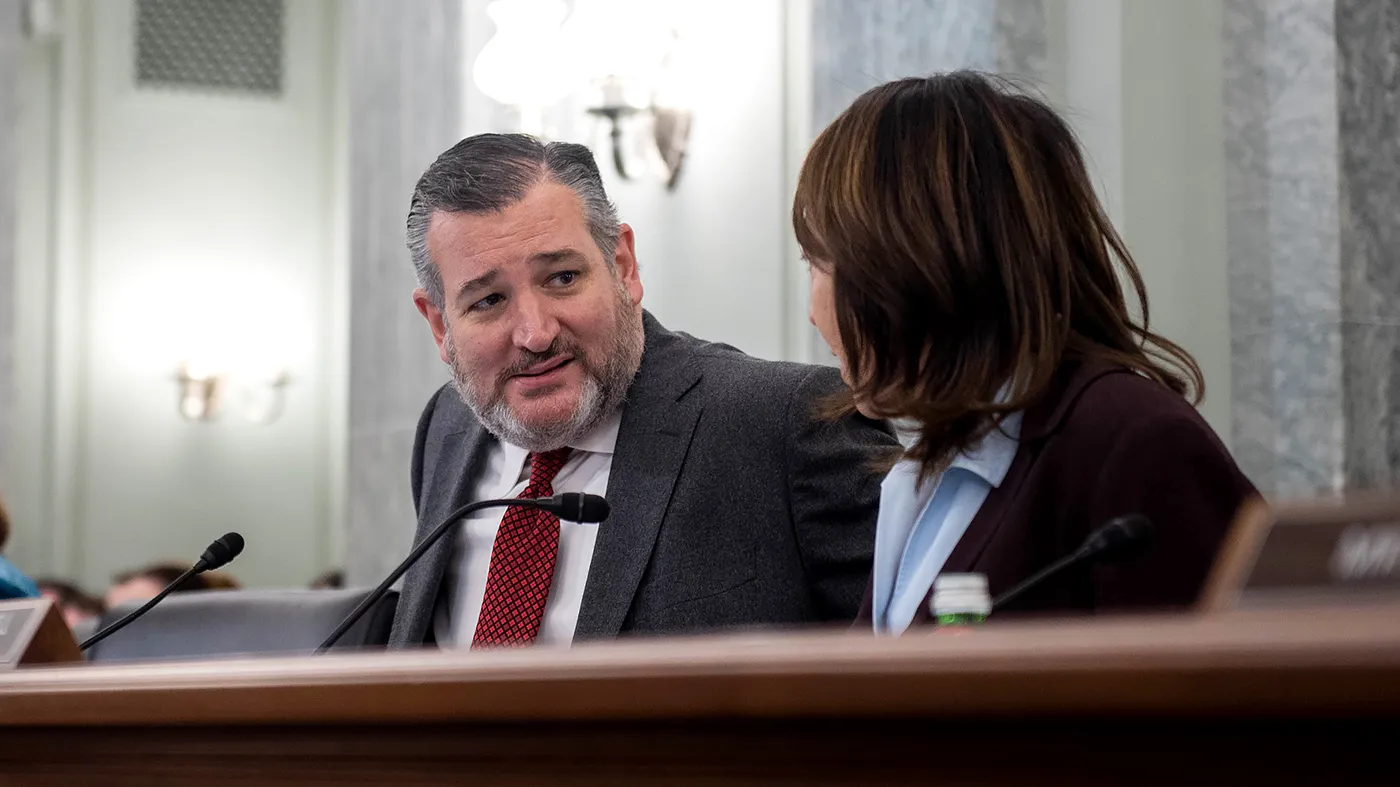
Table of Contents
Legislative Momentum Builds for Youth Digital Safety Measures
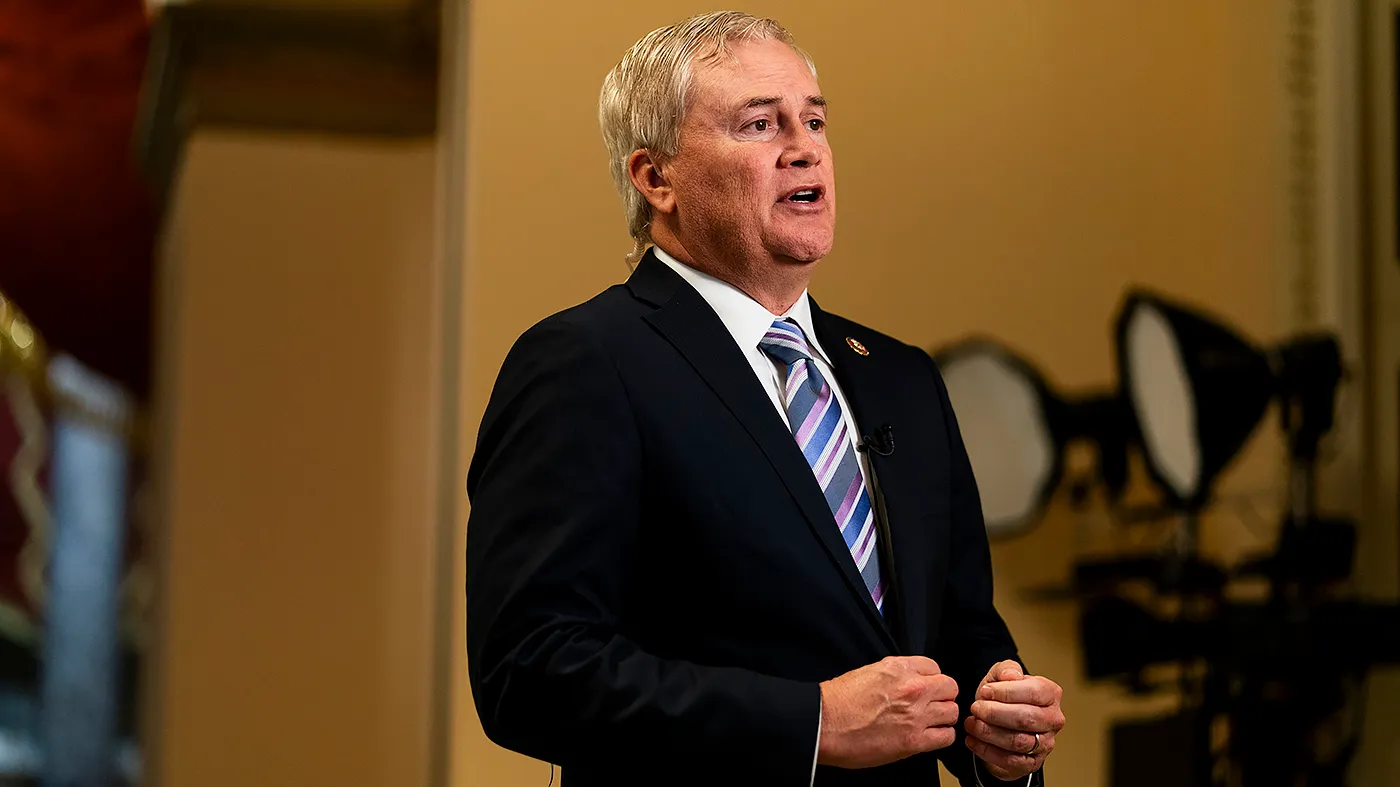
Provpnadvice.com – A significant step forward occurred Wednesday when Senate Commerce Committee members moved the Kids Online Safety Act through markup proceedings. Simultaneously, a separate proposal focused on age verification encountered unexpected obstacles when insufficient committee members attended to establish quorum for voting.
The bipartisan support for KOSA aligned with expectations after the full Senate previously approved the legislation. However, proponents of age verification measures expressed genuine surprise when the SCREEN Act stalled despite having garnered attention from lawmakers across both political parties.
KOSA Advances with Broad Support
The Kids Online Safety Act seeks to establish clearer accountability frameworks for social media companies regarding potential harms experienced by young users on digital platforms. Committee members voted unanimously to advance the measure, reflecting growing consensus about the need for regulatory oversight in the digital space.
Looking ahead, KOSA appears positioned to clear the full Senate chamber. Nevertheless, substantial disagreements between congressional chambers present meaningful challenges before final passage becomes reality. The House version of the legislation, which moved forward as part of a broader children’s safety package last month, removed a critical “duty of care” element that Senate co-authors consider non-negotiable.
Sens. Marsha Blackburn of Tennessee and Richard Blumenthal of Connecticut authored the Senate version and characterized the House package as effectively dead upon arrival in the upper chamber. Their concerns centered on the removed provision, which would have mandated platforms to exercise reasonable care in preventing various harms to minors.
SCREEN Act Encounters Quorum Hurdle
The Shielding Children’s Retinas from Egregious Exposure on the Net Act, commonly known as the SCREEN Act, represents a more targeted approach to age verification. Introduced by Senator Mike Lee of Utah, the legislation would compel pornography websites to implement technological solutions preventing underage access.
Although the SCREEN Act does not extend as comprehensively as other age verification proposals introduced during this congressional session, its prior passage through the House and subsequent Senate consideration signaled growing legislative interest. The committee ultimately voted 15-13 along party lines to advance the measure through a voice vote, yet physical attendance requirements prevented formal approval.
Senate committee procedures require at least one-third of members to be physically present to begin markup proceedings. However, a majority must attend in person to cast votes. Several committee members’ absence during the crucial voting moment created this unexpected outcome for age verification advocates.
Age Verification: Technology and Debate
Age verification technology has evolved considerably in recent years, offering multiple approaches to confirming user identities. Methods range from document-based verification to biometric scanning and third-party authentication services. Each approach carries distinct advantages and limitations regarding accuracy, privacy implications, and implementation costs.
The SCREEN Act’s passage through the House demonstrated that Congress can reach agreement on fundamental principles. However, disagreements persist regarding which entities should bear primary responsibility for verifying user ages. Big Tech companies have expressed varying positions on this question, with some favoring platform-based solutions while others prefer industry-wide standards.
Privacy organizations and free speech advocates raised concerns about the SCREEN Act, particularly regarding potential overcollection of personal data and implications for anonymous online participation. These concerns reflect broader debates about balancing child protection with individual rights in digital environments.
Expanding the Legislative Package
Beyond KOSA and the SCREEN Act, three additional proposals advanced out of committee Wednesday. The Youth AI Privacy Act addresses emerging concerns about artificial intelligence systems collecting and processing data from young users. The Children’s Artificial Intelligence Toy Safety Act of 2026 focuses on hardware devices incorporating AI capabilities.
The Children’s Health, Advancement, Trust, Boundaries, and Oversight in Technology Act rounds out the committee’s work, establishing comprehensive frameworks for digital safety. Together, these measures reflect a coordinated effort to address multiple dimensions of youth protection in technology.
Senator Blumenthal emphasized the critical nature of these efforts following the markup session. He highlighted the urgency of addressing harms caused by social media platforms while navigating opposition from well-funded industry coalitions.
“I cannot emphasize enough the urgency of stopping the hideous harms done by social media and overcoming the powerful coalition of lobbyists and lawyers that Big Tech has mustered against this bill,” Blumenthal stated. “We need to prevail in conference with the House after we get it across the finish line.”
The harms referenced in the legislation encompass eating disorders, suicide risk, substance use disorders, and sexual exploitation. These outcomes have become increasingly linked to social media usage patterns among adolescents, prompting calls for stronger regulatory intervention.
As Congress moves toward conference committee negotiations, the outcome will depend on finding common ground between chambers on the duty of care provision and other key elements. The legislative momentum suggests that comprehensive youth digital safety measures may emerge from this session, though significant compromises remain necessary to achieve final passage.
Related Reading
Frequently Asked Questions
What is KOSA advances Senate panel age verification?
KOSA advances Senate panel age verification is the main topic of this guide. The article explains the context, practical details, and next steps readers should understand.
Why does KOSA advances Senate panel age verification matter?
KOSA advances Senate panel age verification matters because readers are looking for a useful answer, not just a short summary. Good content should match search intent and help them decide what to do next.