Why SNAP soda and candy bans are controversial

Controversy Over SNAP Restrictions on Unhealthy Foods
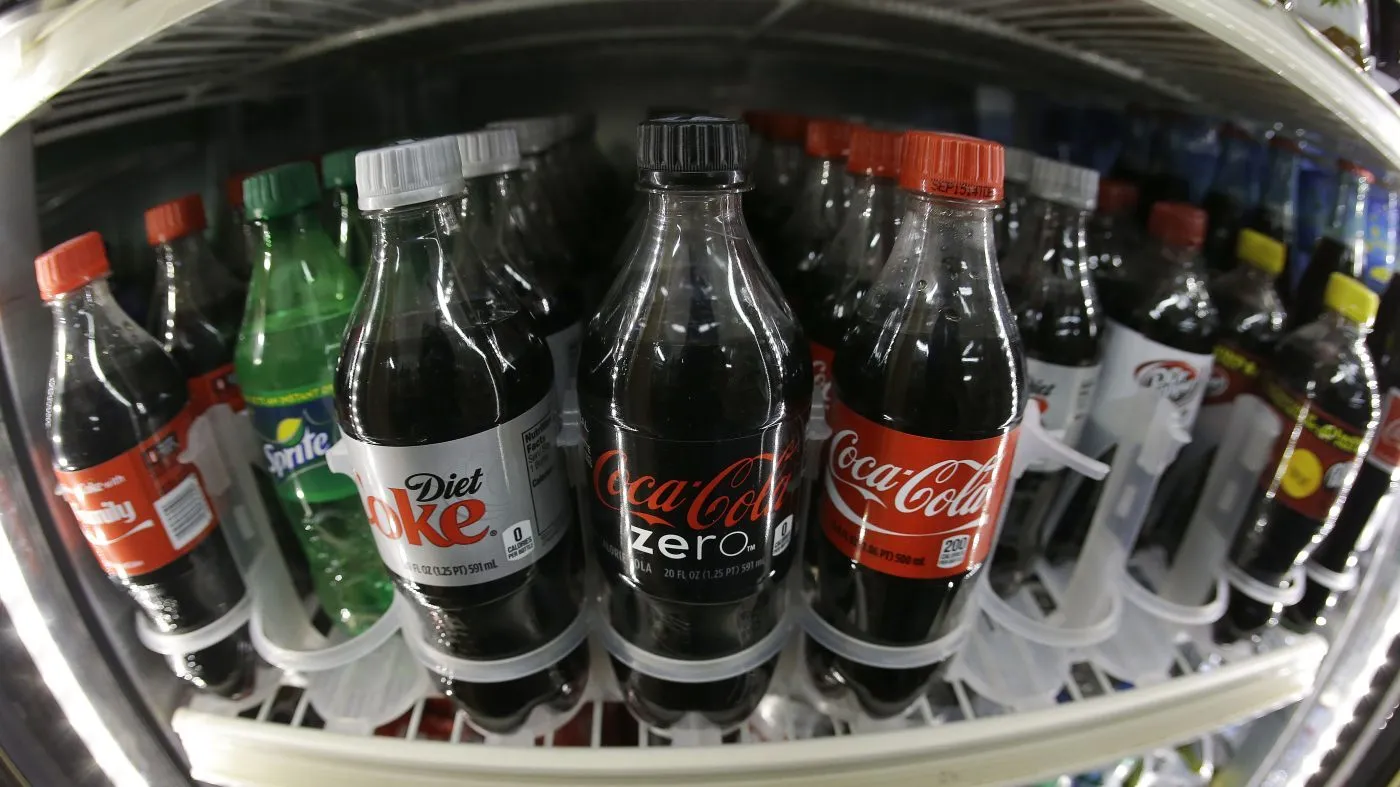
Provpnadvice.com – A federal court has recently intervened to suspend restrictions that limited the Supplemental Nutrition Assistance Program (SNAP) from covering sugary drinks and candy. These rules, initially implemented by the Trump administration and adopted by several states, aimed to curb the purchase of items deemed unhealthy by the U.S. Department of Agriculture (USDA). However, the move has sparked debate, with critics arguing it may undermine the program’s purpose and impose additional burdens on low-income families.
Push for Healthier Choices in SNAP
Last year, Health and Human Services (HHS) Secretary Robert F. Kennedy Jr. and Agriculture Secretary Brooke Rollins spearheaded an initiative to modify SNAP eligibility. Their effort aligned with Kennedy’s “Make America Healthy Again” campaign, which prioritized reducing obesity and related health issues. The policy sought to exclude items like soda, candy, and certain snacks from being purchased with SNAP benefits, assuming they contribute to poor dietary habits.
States were initially given the authority to bypass USDA guidelines, allowing them to impose their own restrictions on food items. This flexibility was approved by the federal government, according to a court document. The change enabled states to tailor their approaches, focusing on curbing consumption of unhealthy products. Yet, this autonomy faced legal challenges, culminating in a court decision that reversed these approvals.
Legal Ruling and Industry Reactions
In a recent ruling, U.S. District Judge Amy Berman Jackson declared the restrictions invalid, effectively halting their implementation. The judge’s decision cited concerns about the policy’s scope and its potential to stigmatize SNAP participants. In response, Rollins reiterated her support for the restrictions on social media, calling them “commonsense” measures to address public health crises.
“An activist judge just blocked our commonsense restriction on using SNAP benefits for soda and junk,” Rollins wrote in a post on X. “SNAP is for food — not sugar bombs fueling obesity, diabetes, and skyrocketing healthcare costs for low-income families.”
Rollins emphasized that the policy aligns with the goal of promoting healthier diets through SNAP. She argued that by limiting access to sugary beverages and processed snacks, the program can better serve its intended purpose of aiding food insecurity. However, opponents contend that these changes may inadvertently penalize families who rely on SNAP for essential purchases.
Opposition to the Policy Shift
Despite the intent to improve health outcomes, critics highlight several concerns about the SNAP restrictions. One major argument is that the policy could exacerbate stigma associated with the program, leading to greater social judgment against recipients. Kate W. Bauer, a nutritional sciences professor at the University of Michigan, warned that such measures reinforce the belief that SNAP users lack the ability to make informed dietary choices.
“By reinforcing the narrative that SNAP participants can’t be trusted to make food choices for their families, I have no doubt that this discrimination will intensify,” Bauer wrote in an April analysis. “This stigma harms both mental and physical health, adding another burden to those already struggling.”
Additionally, opponents stress the financial implications of enforcing these restrictions. The Georgetown Journal on Poverty Law and Policy published a piece titled “Let Them Eat Cake: Why We Must Oppose SNAP Food Choice Restrictions,” which argued that the policy creates unnecessary administrative costs. The article noted that tracking hundreds of thousands of food and beverage items — including the 20,000 new products introduced yearly — would require significant resources, potentially diverting funds from the program’s core mission.
Researchers have also questioned the effectiveness of such limitations. Diane Whitmore Schanzenbach, an economic policy expert, testified in 2017 that previous studies showed SNAP restrictions struggle to alter long-term eating patterns. “Imposing new restrictions on SNAP would demand expensive infrastructure for the USDA, grocery stores, and retailers,” she stated. “Taxpayers would pay to expand the agency’s capacity to monitor every transaction.”
Impact on Dietary Habits and Program Participation
While proponents claim the restrictions would encourage healthier eating, studies suggest the results may be mixed. Bauer’s research, cited in April, highlighted that randomized trials found no meaningful difference in overall dietary intake when SNAP benefits were limited to certain items. “Soda purchases may decrease under these rules,” she noted, “but participants’ total food consumption remains largely unchanged.”
Opponents also argue that the policy could discourage people from using SNAP benefits altogether. The Georgetown Journal article warned that “singling out individuals who receive SNAP” might lead to reduced program participation, particularly among those who rely on less expensive, calorie-dense foods to stretch their budgets. This concern underscores the challenge of balancing health goals with the practical needs of low-income families.
Furthermore, the restrictions have been criticized for lacking clear definitions. While soda and candy are broadly categorized as unhealthy, the line between nutritious and non-nutritious items can be subjective. Critics point to the potential for inconsistency in how states implement these rules, which could create confusion for shoppers and retailers alike.
Broader Implications for SNAP and Public Health
The controversy reflects a larger debate about the role of government in shaping dietary habits. Supporters of the policy argue that federal intervention is necessary to address systemic health issues linked to SNAP usage, such as rising obesity rates. They believe that by limiting access to processed foods, the program can help reduce the risk of chronic diseases among vulnerable populations.
On the other hand, opponents stress that the policy may not account for the diverse needs of SNAP participants. For instance, many families use the program to afford items that are not only affordable but also culturally significant. Restricting such choices could create barriers to participation, particularly for communities where sugary drinks and snacks are staples.
The legal battle over the restrictions has also raised questions about the balance between regulatory authority and state autonomy. While the USDA sets overarching guidelines, the ability of states to customize their policies has been a point of contention. The court’s decision to rescind these state-specific changes highlights the importance of centralized oversight in shaping federal programs.
As the debate continues, the SNAP restrictions remain a focal point for discussions on public health and economic policy. The outcome of this case could influence future efforts to modify the program, shaping how it addresses both nutrition and affordability in the years ahead.
BestReviews is reader-supported and may earn an affiliate commission.