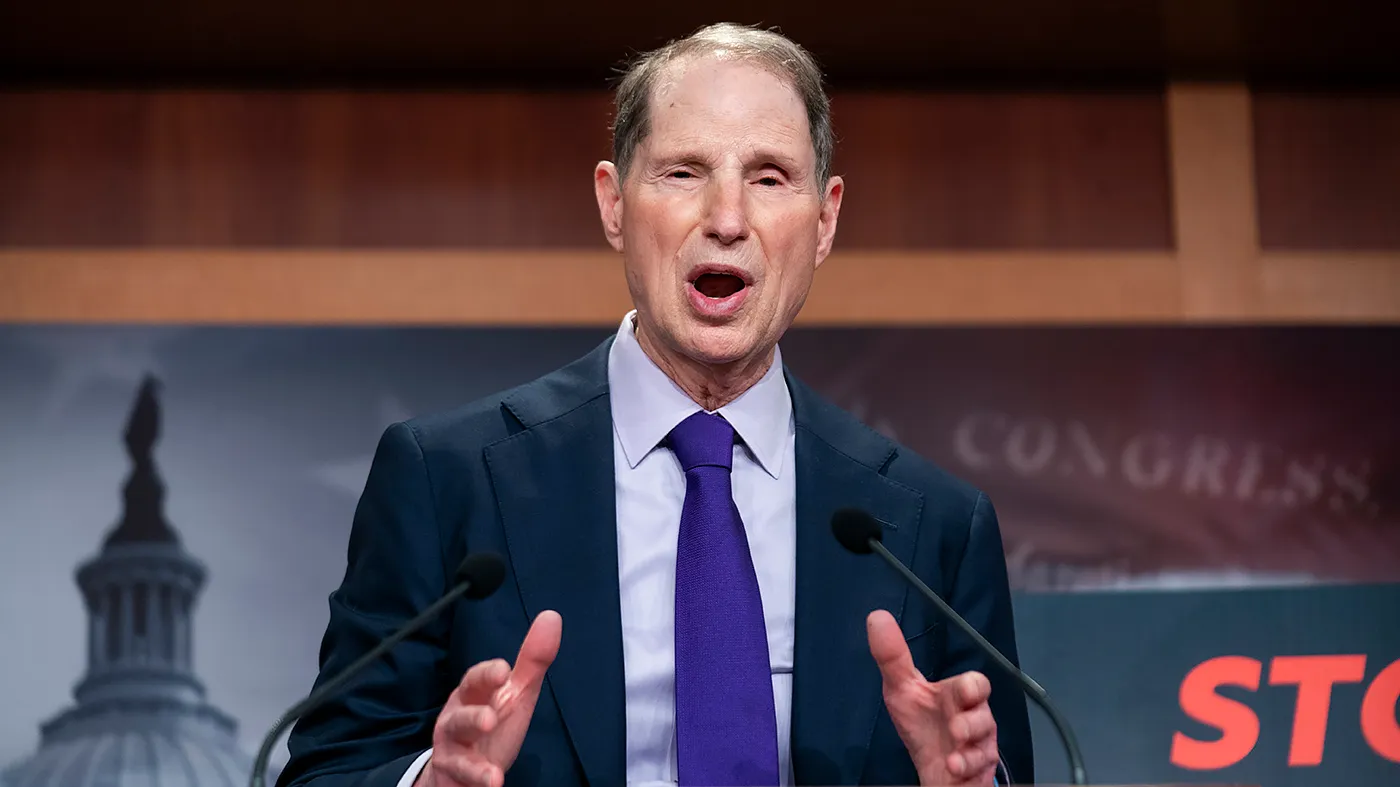
White House revives rule to deny green cards to migrants who use safety net programs

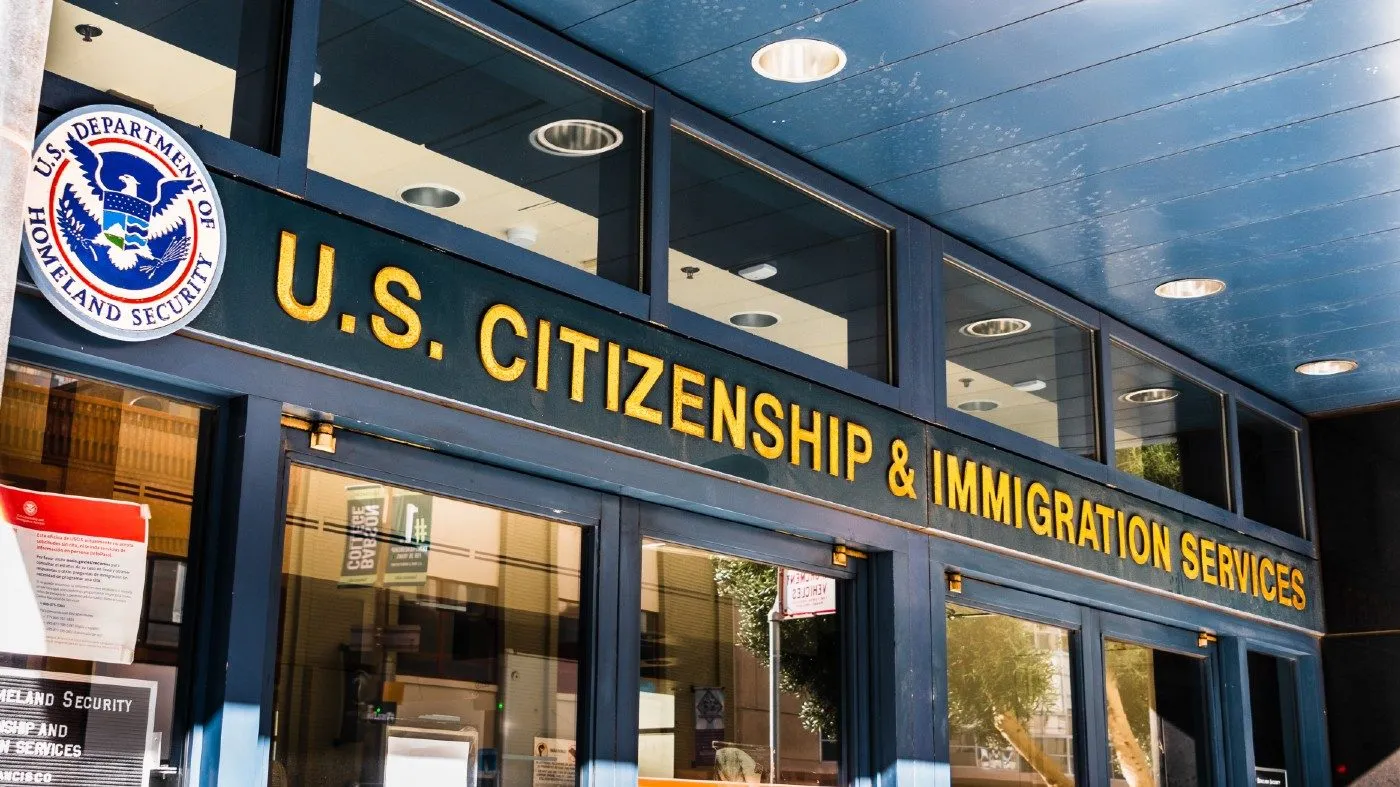
White House Revives Rule to Deny Green Cards
Public Charge Policy Returns Under Trump Administration
Provpnadvice.com – The White House revives rule to deny green cards to migrants who rely on safety net programs, marking a significant shift in immigration policy. Under the restored framework, federal officers can reject applications from individuals receiving benefits like Medicaid, housing assistance, or food stamps. This policy change affects both permanent residency seekers and those attempting to enter the United States through various pathways.
The public charge determination process serves as a critical evaluation tool for assessing whether prospective immigrants are likely to depend on government financial support. The newly issued final rule, published on Thursday, effectively overturns the 2022 policy established during the Biden administration that restricted officials to considering only cash-based benefits when making these determinations.
Under the updated guidelines, immigration authorities may now evaluate any public benefit utilization alongside additional applicant characteristics including age, educational background, professional skills, and overall health status. These factors apply equally to individuals seeking legal permanent residence and those attempting to enter the country through various immigration pathways.
U.S. Citizenship and Immigration Services has announced that implementation of the revised public charge framework will commence within 60 days of the rule’s publication. This timeline provides agencies and applicants with adequate preparation for the policy shift.
Official Justification and Historical Context
According to USCIS spokesperson Zach Kahler, the administration’s decision reflects a commitment to legal principles and taxpayer protection. “The Trump administration is upholding the rule of law and protecting American taxpayers from subsidizing aliens who may become dependent on public benefits. USCIS is committed to safeguarding the safety, security, and financial well-being of Americans,” Kahler explained in an official statement.
The final rule criticized the previous administration’s approach, characterizing it as placing a “straightjacket” on Department of Homeland Security personnel by limiting their discretion in public charge inadmissibility assessments. The document further noted that rescinding the Biden-era policy “aligns with long-standing policy that aliens in the United States should be self-reliant and government benefits should not incentivize immigration.”
The Trump administration initially attempted to establish similar connections between immigrants’ legal status and public benefit usage back in 2019. Under that earlier framework, any immigrant receiving at least one designated public benefit for more than 12 months within a 36-month window would be classified as a “public charge” and face heightened likelihood of green card denial. That original rule permitted officers to examine a broad spectrum of assistance programs, encompassing the Supplemental Nutrition Assistance Program, most Medicaid services, and various housing initiatives.
Criticism and Concerns Raised by Advocacy Groups
Opponents of the restored policy have voiced significant concerns regarding its potential implementation. Critics argue that insufficient guidance creates opportunities for immigration officers to reject applications arbitrarily while simultaneously discouraging immigrants from seeking necessary assistance. The American Immigration Lawyers Association’s Executive Director, Benjamin Johnson, emphasized that the policy’s impact extends well beyond foreign nationals seeking entry.
“The reach of this rule extends far beyond immigrants coming into the United States. It is designed to punish the citizens this administration dislikes: those in mixed-status families,” Johnson stated.
Johnson further warned that U.S. citizens who qualify for benefits may avoid utilizing health care, nutrition assistance, and other fundamental supports due to concerns about jeopardizing family members’ immigration standing. He characterized this outcome as “short-sighted” and predicted that consequences for public health and economic stability would resonate throughout communities nationwide.
Sarah Krieger, senior policy counsel at the National Immigration Law Center, echoed similar sentiments. “The Trump administration is once again weaponizing the federal government to make immigrants afraid to go to the doctor, buy food at the grocery store, and even file taxes,” Krieger commented. “With this new rule, they are sowing fear and chaos to ultimately reshape America into a country where only the few who are white and ultra-wealthy are welcome.”
Statistical Impact and Future Outlook
While exact numbers remain unclear, immigration advocates estimate that thousands of green card applications could be affected annually under the restored policy. The expanded definition of public benefits means that more applicants will fall under scrutiny during their immigration journey. Legal experts suggest that the policy could create additional delays and complications for families navigating the immigration system.
As the 60-day implementation period approaches, both immigration attorneys and applicants are preparing for potential changes in how public charge determinations are made. The White House revives rule to deny green cards represents a return to stricter immigration standards that prioritize self-reliance and reduce dependency on government assistance programs.