FDA expands cheese recall over possible listeria contamination

FDA Expands Cheese Recall Over Possible Listeria Contamination
Provpnadvice.com – A new wave of recalls has emerged following a listeria outbreak linked to a Maryland cheese manufacturer, raising concerns about food safety across multiple states. The U.S. Food and Drug Administration (FDA) has widened the scope of the recall to include products from La Ceiba Foods Latin Market Inc., which operates under the La Colonia and Selectos Latinos brand names. The affected items are specific varieties of cottage cheese: Requesón Salvadoreño (Salvadoran Cottage Cheese) and Requesón Mexicano (Mexican Cottage Cheese).
Product Details and Distribution
The recalled cheeses were distributed to retail chains, food service establishments, and local markets in Maryland, Virginia, and Washington, D.C. Consumers are encouraged to check for these brands and return any unopened or opened packages to the place of purchase for a full refund. The FDA has emphasized the urgency of the recall, urging public action to mitigate health risks.
The FDA launched its investigation following the illness of two relatives in New York during May 2026, who contracted the infection after purchasing requeson at a nearby store.
La Ceiba Foods initiated the recall after being informed by its supplier, Clover Hill Dairy, about potential contamination by Listeria monocytogenes in products produced at its Mechanicsville, Maryland facility. This bacterium, which is a known cause of severe foodborne illness, has been traced to several cases of illness reported in the region. The company has since taken steps to halt further shipments and inspect its production lines.
Investigation Timeline and Confirmation
Initial reports of illness surfaced in May 2026 when two family members in New York experienced symptoms after consuming requeson. Subsequent laboratory analysis revealed that the Listeria monocytogenes strain found in the cheese matched the same strain responsible for infecting nine individuals across Maryland, New York, and Virginia between March 2023 and May 2026. This correlation prompted the FDA to investigate further, leading to the discovery of contamination in Clover Hill Dairy’s products.
Additional testing traced the source of the bacteria back to Clover Hill Dairy, with an unopened 18-pound container of their requeson also testing positive for the pathogen. This finding underscores the widespread nature of the contamination and the need for immediate action. The Maryland Department of Health has since suspended Clover Hill Dairy’s operating permit, citing the risk posed by the bacterial outbreak.
Symptoms of Listeriosis
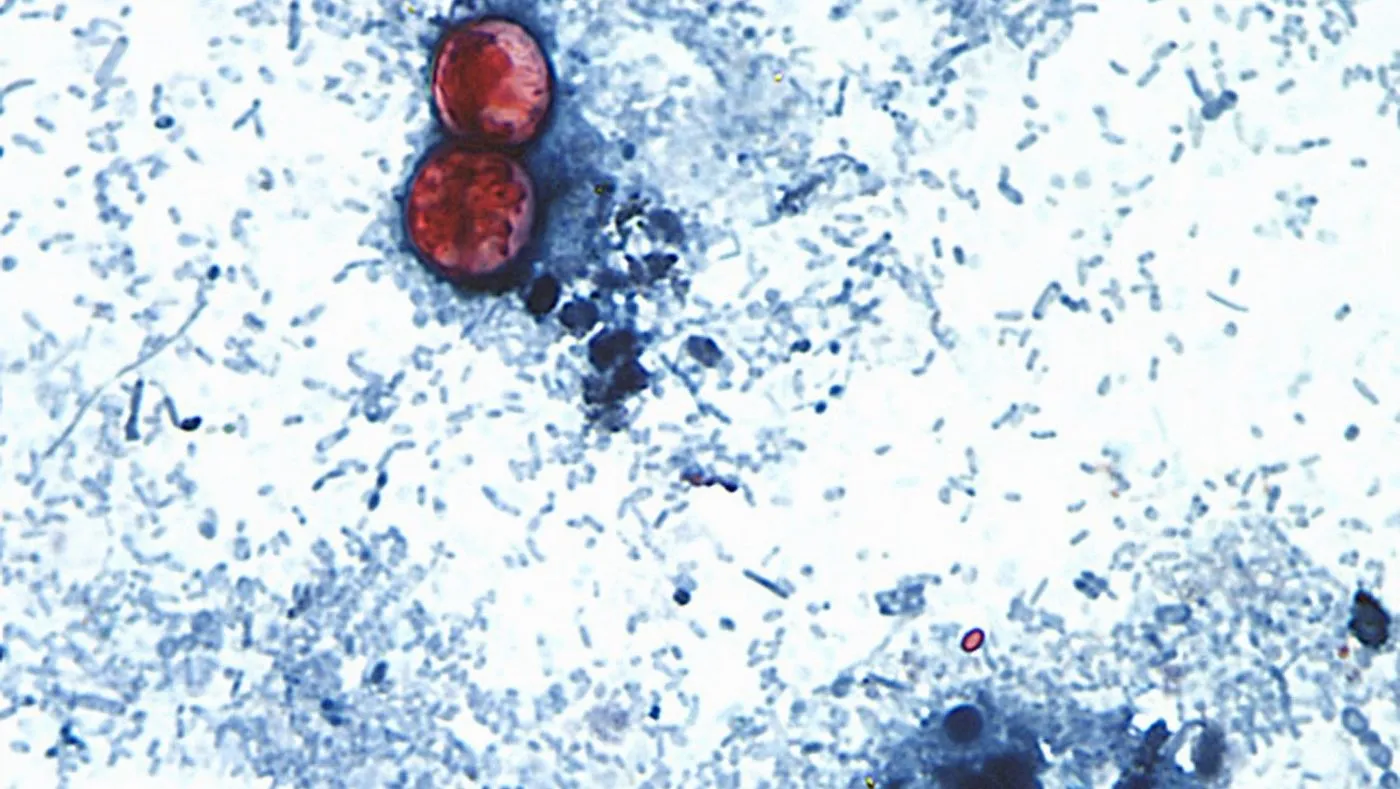
Listeria monocytogenes is a pathogen known to lead to severe and occasionally lethal foodborne illnesses, making it a critical public health concern. The FDA notes that listeriosis presents with a spectrum of symptoms, ranging from mild to life-threatening, depending on the individual’s health status. In less severe cases, symptoms may include fever, muscle pain, nausea, vomiting, and diarrhea, which typically resolve within a few days.
More severe manifestations of the illness can involve headache, stiffness in the neck, confusion, loss of coordination, and seizures. These symptoms can escalate rapidly, particularly in high-risk populations such as newborns, elderly individuals over 65, and those with compromised immune systems. The infection can lead to complications like meningitis, septicemia, or even death if not addressed promptly.
Consumers who have purchased the recalled products are advised to avoid consuming, selling, or serving them. If symptoms such as fever or neurological issues appear, immediate medical attention is crucial. The FDA has provided guidance to healthcare providers, urging them to consider listeriosis as a possible diagnosis in patients with relevant exposure history.
Consumer Guidance and Ongoing Measures
Public health officials are working closely with the FDA to ensure the recall reaches all affected consumers. The agency has issued warnings to retailers and distributors, emphasizing the importance of removing the contaminated products from shelves. Consumers are also encouraged to inspect packaging for the recalled brands and check expiration dates to confirm if their items are part of the affected batch.
As the investigation continues, the FDA has indicated that its efforts are ongoing, with the potential for additional products to be included in the recall. The agency is collaborating with state health departments and food safety experts to trace