Interior moves to relax rules for drilling on public lands

Interior Moves to Relax Rules for Drilling on Public Lands
Provpnadvice.com – The Trump administration has unveiled plans to modify existing regulations, aiming to reduce bureaucratic constraints for oil and gas companies operating on federal public lands. This initiative, which seeks to simplify processes and encourage exploration, marks a departure from the stricter measures implemented during the Biden era. By easing requirements, the Department of the Interior hopes to foster greater economic activity and investment in energy production.
Key to these changes are two specific policies introduced by the Biden administration, both of which aimed to address environmental concerns. The first regulation focused on curbing methane emissions, a critical contributor to climate change, while the second emphasized the financial accountability of energy firms by requiring them to secure bonds for well cleanup. The Trump team’s proposal would eliminate these mandates, offering a more lenient framework for companies engaged in drilling activities.
Interior Secretary Doug Burgum, who oversees the management of federal lands, highlighted the strategic intent behind the revisions. “These targeted updates cut through the red tape that has historically deterred investment, ensuring our public lands remain a reliable engine for economic growth and innovation,” he stated in a written statement. Burgum’s emphasis on “energy dominance” underscores the administration’s goal of bolstering domestic energy production to reduce reliance on foreign sources.
In 2024, the Biden administration significantly increased the cost of bonds that oil and gas firms must post to guarantee the cleanup of their wells. This financial burden was intended to hold companies accountable for environmental damage. However, the Trump administration now plans to revert these bond rates to their previous levels, a move that could lower costs for industry players and expedite project approvals.
Simultaneously, the Biden administration introduced measures to tighten control over methane emissions from federal drilling operations. Methane, a greenhouse gas with approximately 30 times the warming potential of carbon dioxide over a century, is often released during extraction processes. This makes it a critical target for reducing the climate impact of fossil fuel production.
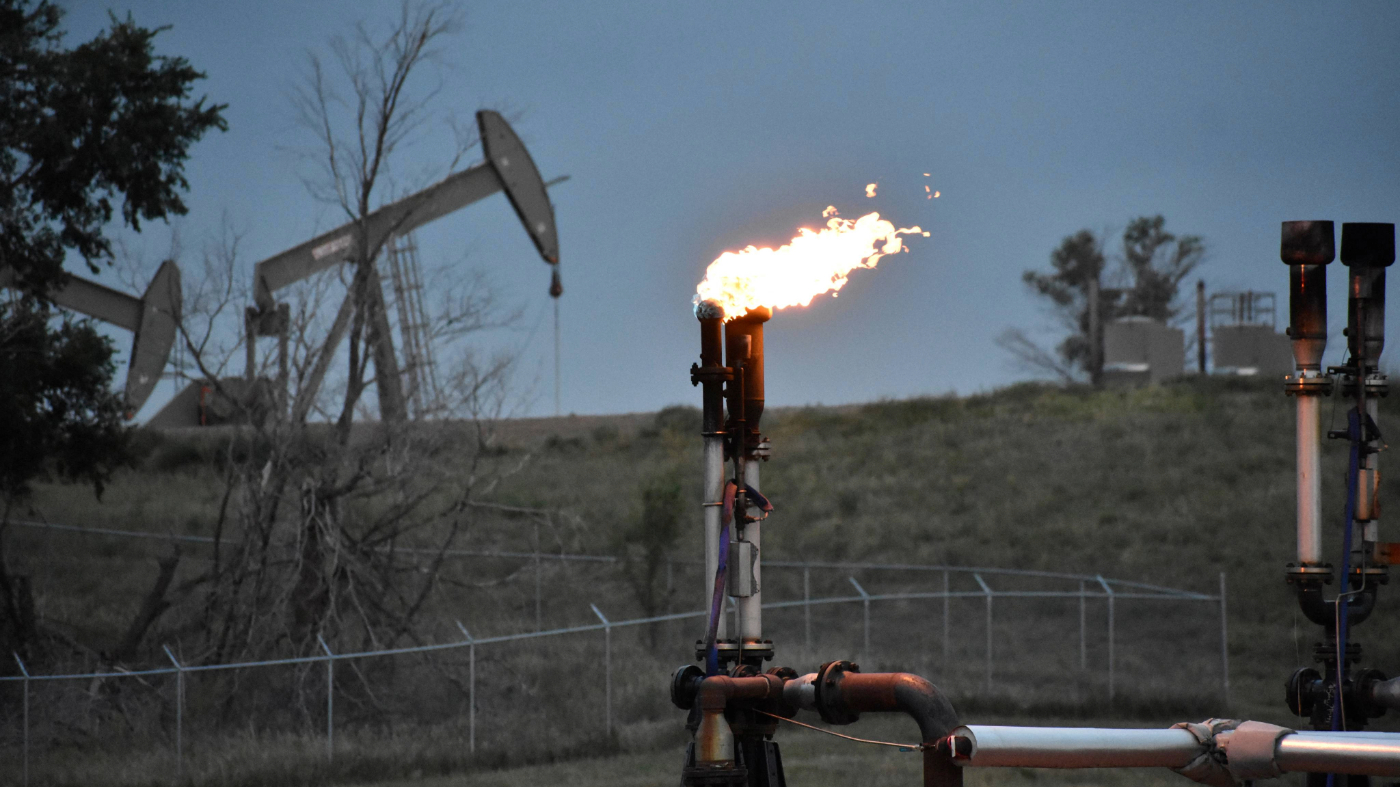
The rule established under Biden required oil and gas firms to either demonstrate full capture of their well outputs or submit plans to mitigate methane emissions. By removing this obligation, the Trump administration argues that it will create a more flexible environment for companies to operate without excessive regulatory pressure. The proposal also includes revisions to the criteria defining when venting and flaring—methods that release methane—are permissible, though the exact parameters of this adjustment remain unspecified.
Environmental advocates have expressed concerns over the proposed changes, viewing them as a setback for climate goals. “When companies profit from the use of our natural resources, they should be responsible for restoring the damage they create,” said Aaron Kindle, director of sporting advocacy at the National Wildlife Federation. “We need bonding rates that ensure oil and gas companies, not taxpayers, pay for cleaning up after development so wildlife and clean water can persist for future generations.”
The rollback of these regulations has sparked debate over the balance between economic growth and environmental protection. Proponents argue that reducing red tape will spur job creation and lower energy costs, while critics warn that it could lead to increased emissions and long-term ecological harm. The revisions may also influence the pace of new drilling projects, potentially accelerating production in regions with abundant reserves.
Public lands have long been a cornerstone of the U.S. energy strategy, serving as a vast resource for oil and gas extraction. By simplifying the regulatory landscape, the Trump administration aims to position these lands as more attractive for development. This approach aligns with broader efforts to prioritize domestic energy production over renewable alternatives, though its long-term effects on conservation and climate targets remain uncertain.
Industry representatives have welcomed the proposed changes, citing reduced compliance costs and faster permitting timelines as major benefits. For example, the adjustment to bond requirements could lower financial liabilities for companies, allowing them to allocate resources more efficiently. This might also make it easier for smaller operators to enter the market, increasing competition and production levels.
Despite these advantages, the move has raised questions about its impact on environmental oversight. The revised definitions for venting and flaring could allow more leeway in methane emissions, potentially leading to higher overall output. Environmental groups fear this might result in less stringent monitoring of drilling activities, especially in areas with sensitive ecosystems. They argue that the changes could weaken protections for wildlife habitats and water sources, which are often affected by drilling operations.
Experts note that the decision to roll back these rules reflects a shift in priorities, emphasizing economic gains over environmental safeguards. While the Trump administration frames its actions as necessary for energy independence, the long-term consequences for climate change mitigation and public land management are still under scrutiny. The changes may also influence the regulatory landscape for future administrations, setting a precedent for how public lands are managed.
As the proposal moves forward, it is expected to undergo further review and potentially face legal challenges. The revised policies could reshape the relationship between federal agencies and energy firms, creating a more business-friendly environment for exploration and production. However, the balance between profitability and environmental responsibility will remain a central issue in the ongoing discourse about energy development on public lands.
The debate over these regulations highlights the tension between immediate economic benefits and long-term environmental considerations. While the Trump administration contends that the changes will ensure public lands remain a key driver of growth, critics warn that the erosion of these protections could have lasting implications for the planet’s health. As the industry adapts to the new framework, the effectiveness of these policies in achieving their stated objectives will be closely watched.