Trump administration abandons appeals in fight over student loan forgiveness program

Table of Contents
Trump Administration Ends Appeal Over Public Service Loan Forgiveness Restrictions
Provpnadvice.com – The Trump administration has withdrawn its appeal in a court dispute over proposed restrictions to the Public Service Loan Forgiveness program, ending its immediate effort to narrow access to one of the federal student loan system’s most significant relief options for public-sector workers.
The decision leaves in place a judge’s summer ruling that blocked the Education Department’s proposed changes. Those changes would have affected eligibility for the Public Service Loan Forgiveness, or PSLF, program, which can erase remaining qualifying federal student loan balances for borrowers who make 10 years of eligible payments while working in government or qualifying nonprofit positions.
PSLF has long been intended to support people whose careers serve the public, including workers employed by government agencies and nonprofit organizations. For many borrowers, the program is closely tied to career decisions because public-service salaries may be lower than comparable private-sector jobs while student debt remains substantial.
Proposed Limits Targeted Some Nonprofit Work
The Education Department had sought to exclude certain nonprofit employees from qualifying for loan forgiveness. The proposal would have affected people working for organizations involved in immigration rights and other causes described as left-leaning.
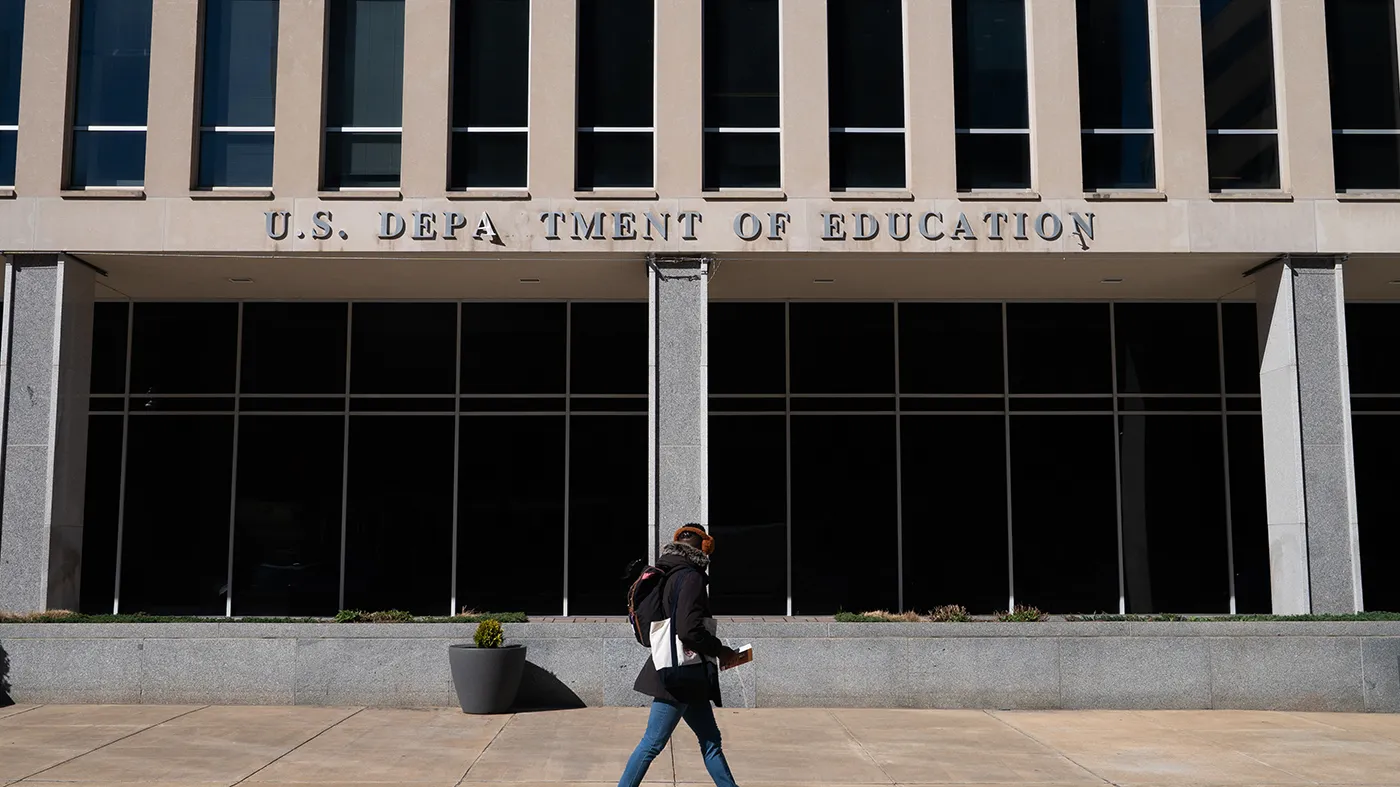
A federal judge halted the effort over the summer. The Justice Department initially challenged that ruling through an appeal, but the administration agreed Wednesday to abandon the case. The court filing did not provide a detailed explanation for the decision.
It did state that both sides would handle their own legal costs. With the appeal dropped, the legal challenge to those PSLF restrictions has effectively come to a close.
Dan Zibel, chief counsel at Student Defense, described the outcome as an important win for public-service workers and the organizations that employ them.
The Trump administration’s attempt to weaponize public service loan forgiveness against organizations it disagrees with was anti-democratic and unlawful from the start. This is a significant victory for millions of Americans who have dedicated their careers to public service.
What the Decision Means for Borrowers
The end of the appeal means that borrowers working for qualifying government and nonprofit employers are not subject to the restrictions that had been proposed in this case. It also preserves the broader principle that PSLF eligibility is tied to qualifying public-service employment rather than an employee’s involvement with a nonprofit’s particular policy priorities or advocacy work.
For borrowers already pursuing PSLF, the program’s basic structure remains centered on two major requirements: eligible employment and 10 years of qualifying payments. The forgiveness benefit applies after the borrower meets the program’s conditions, making accurate employment certification and payment records especially important over a long repayment period.
The ruling and the administration’s decision to stop appealing it do not eliminate other questions surrounding federal student loan policy. PSLF is only one part of a wider system that includes repayment plans, borrowing limits, loan servicing and collection policies. Changes in any of those areas can affect borrowers’ monthly bills, eligibility paths and long-term repayment strategies.
Part of a Broader Student Loan Policy Shift
The proposed PSLF restrictions were one element of a broader Trump administration effort to reshape federal student lending. The Education Department has successfully adjusted loan limits, reduced the number of available repayment plans and reached an interagency agreement with the Treasury Department involving control of the student loan portfolio.
Those changes demonstrate how student loan policy can be altered through a combination of administrative action, legal disputes and coordination among federal agencies. In practice, the effects can extend beyond new borrowers. Current borrowers may need to monitor whether their repayment option, servicing arrangements or path toward forgiveness remains available under changing rules.
The PSLF case also highlights the importance of litigation in determining the limits of agency authority. The Education Department’s attempted eligibility changes were stopped by a judge before they could take effect, and the Justice Department’s choice to end its appeal means that ruling will stand for this dispute.
For nonprofit and government employees carrying federal student debt, the outcome provides continuity in a program designed around public-service work. It does not mean that every borrower will automatically qualify for forgiveness, since PSLF still depends on meeting the program’s existing conditions. But it removes a proposed barrier that could have excluded workers based on the types of causes their nonprofit employers support.
As federal student loan policies continue to evolve, borrowers seeking PSLF may benefit from keeping thorough records of qualifying employment, payments and communications related to their loans. The program remains a major source of potential debt relief for people who spend a decade or more working in public service, and its eligibility standards remain central to financial planning for many of those workers.
Related Reading
Frequently Asked Questions
What is Trump administration abandons appeals in fight?
Trump administration abandons appeals in fight is the main topic of this guide. The article explains the context, practical details, and next steps readers should understand.
Why does Trump administration abandons appeals in fight matter?
Trump administration abandons appeals in fight matters because readers are looking for a useful answer, not just a short summary. Good content should match search intent and help them decide what to do next.