US strikes Iranian missile, radar sites after Tehran hits cargo ship

US strikes Iranian missile, radar sites after Tehran hits cargo ship
Iranian Attack on Cargo Ship Sparks U.S. Response
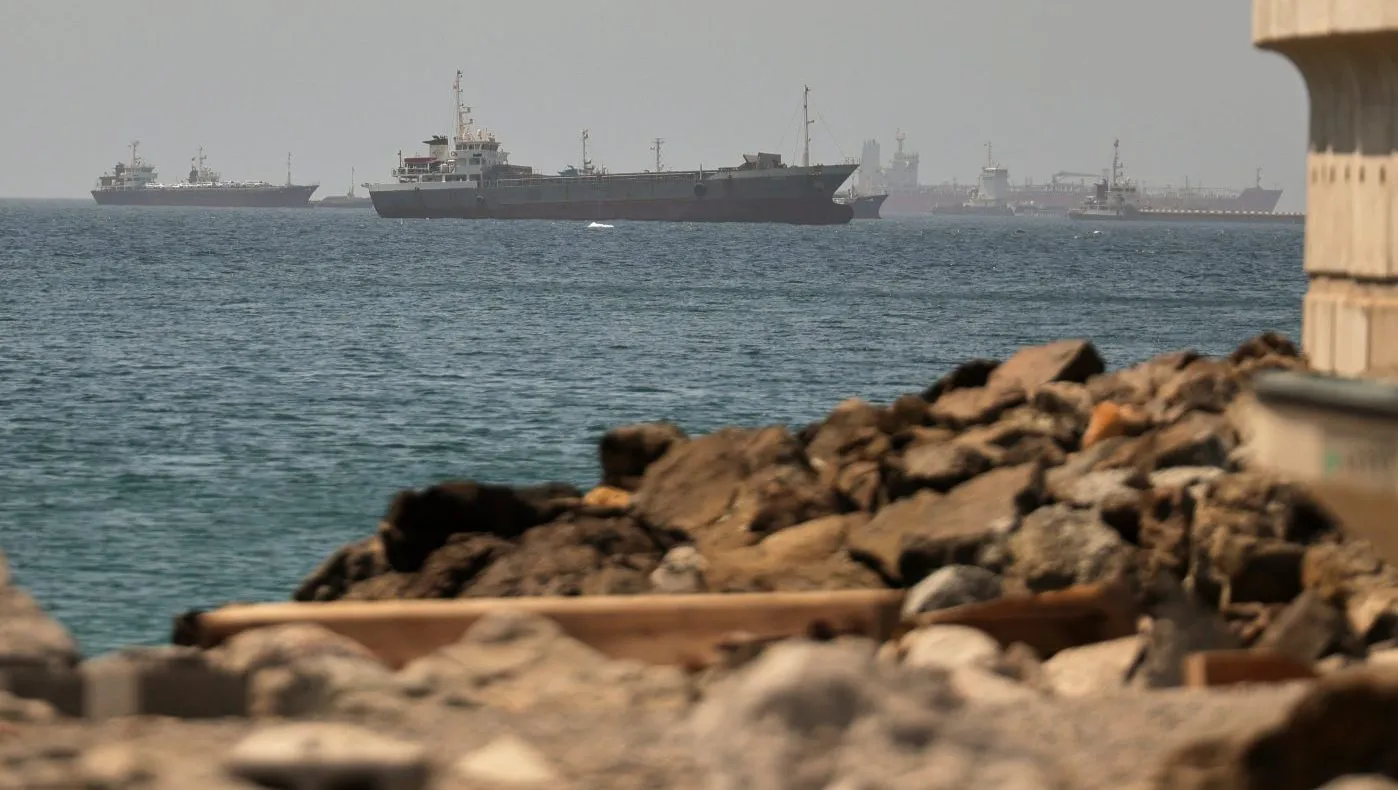
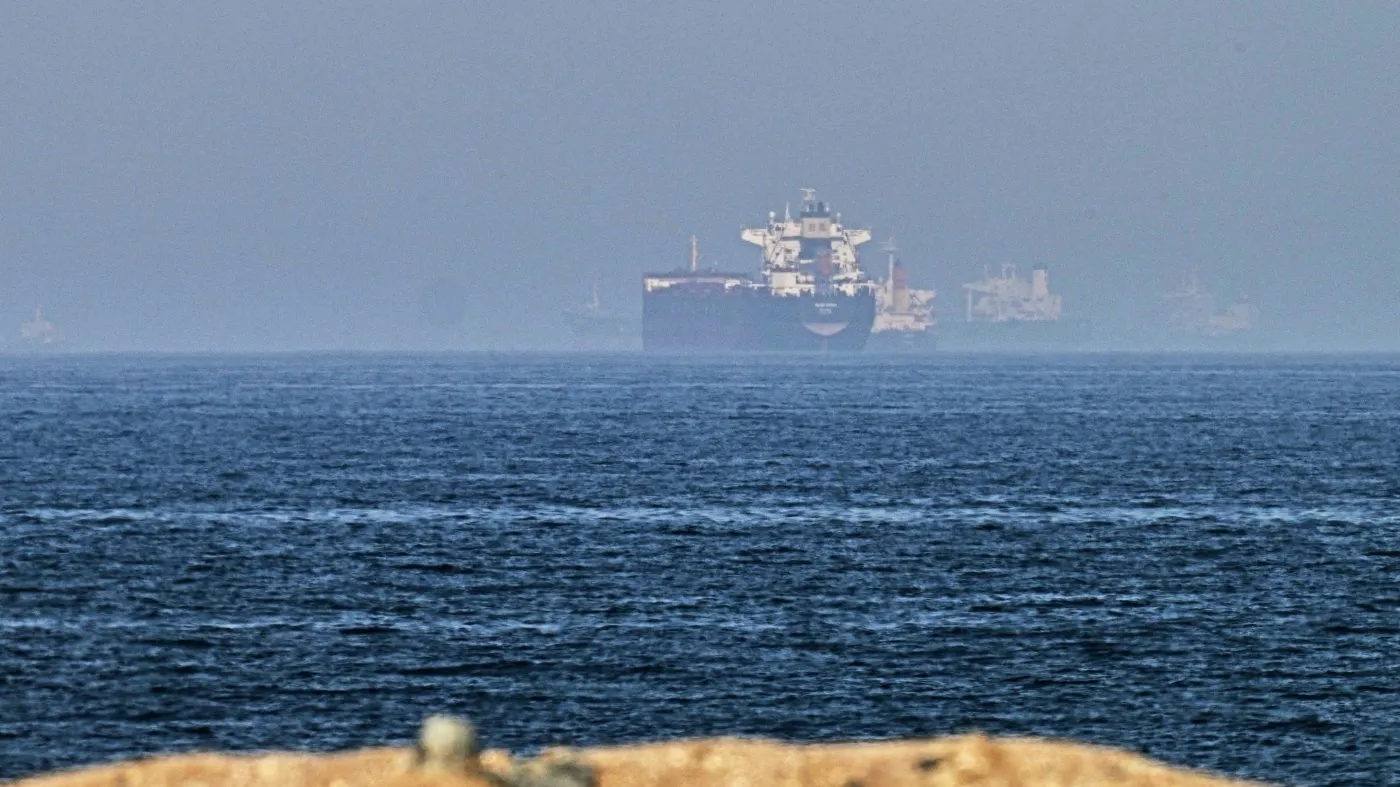
Provpnadvice.com – On Thursday, Iranian forces launched a coordinated strike against a Singapore-registered container ship, the *Ever Lovely*, near the coast of Oman as it exited the strategic Strait of Hormuz. This critical maritime chokepoint, through which approximately 20% of the world’s oil and gas transit, was the target of a one-way attack drone, according to the U.S. Central Command. The drone reportedly damaged the vessel’s starboard side and bridge, though no casualties were reported among the crew, as confirmed by the United Kingdom Maritime Trade Operations Center, which operates under the British Royal Navy.
The incident prompted immediate retaliation from U.S. military forces. On Friday, the U.S. Central Command announced that kinetic strikes had been executed against key Iranian infrastructure, including missile and drone storage facilities, as well as coastal radar installations. These targets, located in the region, were identified as critical nodes in Iran’s defense network. The strikes were framed as a proportional response to the recent attack, which the Pentagon described as a direct challenge to the fragile ceasefire agreement.
Centcom’s Statement on Ceasefire Violation
Centcom emphasized that Iran’s actions breached the terms of the ceasefire, escalating tensions in the region. In a press release, the command stated that the attack not only threatened freedom of navigation but also disrupted the flow of global commerce through the vital international trade corridor. “Iran’s destabilizing behavior has jeopardized the security of commercial vessels and the stability of the agreement,” the statement added, underscoring the U.S. commitment to enforcing the terms of the pact.
Following the strikes, U.S. forces in the Central Command continued to monitor the Strait of Hormuz closely, providing coordination and support to ensure the safe passage of commercial ships. This effort included real-time tracking and communication with vessels transiting the waterway. The military’s presence was described as a deterrent, with officials reaffirming their readiness to respond to further threats. “We remain vigilant and prepared to uphold the agreement’s provisions,” Centcom said, highlighting the importance of maintaining operational control over the region’s strategic assets.
Iran’s Assertion of Control Over the Strait
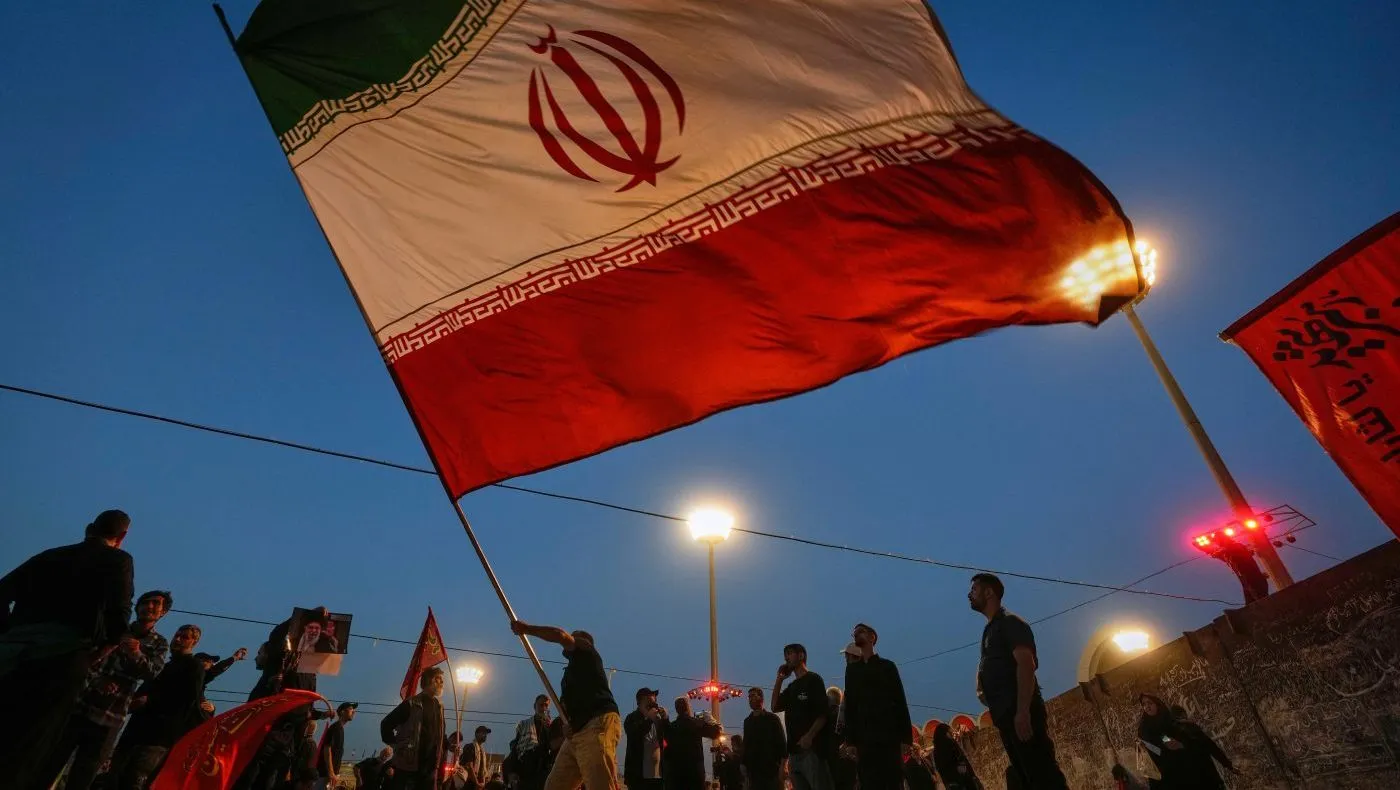
In the aftermath of the U.S. strikes, Iran signaled its intention to assert dominance over the Strait of Hormuz. Deputy Foreign Minister Kazem Gharibabadi issued a warning that safe passage for ships would only be guaranteed if they aligned their routes with Tehran’s directives. The statement, shared on the social platform X, emphasized Iran’s role as the coastal state and its authority to regulate traffic through the strait. “Any attempt to undermine Iran’s sovereignty could result in the suspension of designated parallel routes,” Gharibabadi asserted, framing the U.S. action as a provocation.
Iran’s claim of control over the strait has drawn criticism from U.S. officials, who argue that the country’s unilateral attacks on commercial vessels threaten the free flow of trade. The *Ever Lovely* incident, in particular, has become a focal point for discussions on the balance between national security and maritime freedom. Centcom noted that the U.S. military’s strikes were aimed at restoring confidence in the agreement and reinforcing the importance of the strait to global energy markets.
President Trump’s Indication of Potential Escalation
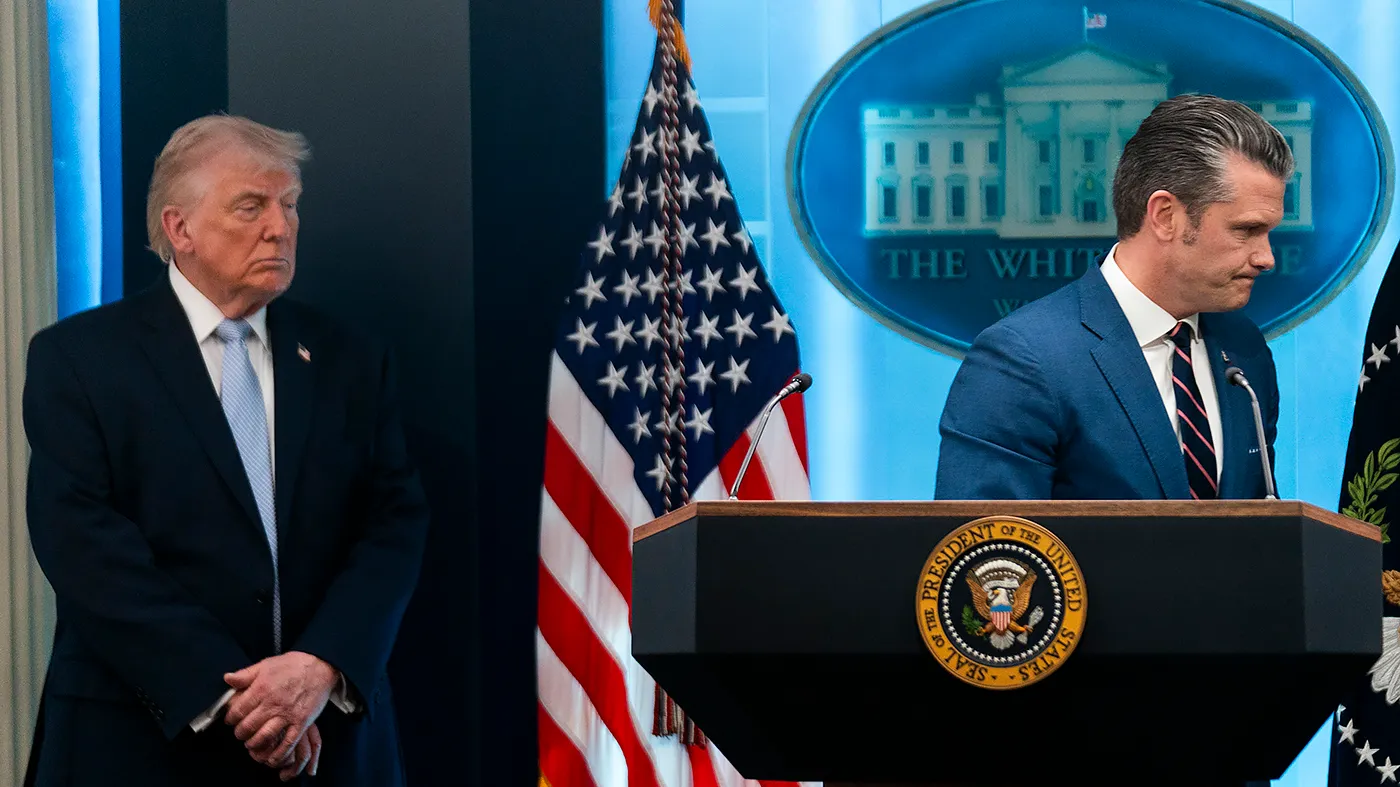
President Donald Trump, speaking in the Oval Office on Friday, indicated that the U.S. might consider further action against Iran in response to the attack. “I don’t like the fact that they took a shot yesterday. Actually four. Not an allied ship, but a ship. A very expensive ship and it was fine, but it took a little beating. They shouldn’t be doing that,” he remarked, highlighting his frustration with Iran’s aggression. Trump’s comments suggested that the administration was prepared to take direct measures if Tehran continued to challenge U.S. interests in the region.
Despite the retaliatory strikes, the U.S. military clarified that its operations had concluded by 5:30 p.m. EDT on Friday. A Pentagon official confirmed that the strikes were part of a targeted response, not a broader campaign. The decision to limit the scope of the action reflected a strategic emphasis on precision and minimizing collateral damage. However, the incident has raised questions about the effectiveness of the ceasefire and the potential for renewed conflict in the Persian Gulf.
Strategic Implications and Regional Dynamics
The attack on the *Ever Lovely* has intensified concerns about the security of international shipping in the Strait of Hormuz. With the region already experiencing heightened tensions, the incident underscores the vulnerability of commercial vessels to military strikes. Analysts note that the strait’s strategic importance makes it a prime target for both Iran and its adversaries, as control over the passage can be used to exert economic and political pressure on global trade.
Centcom’s strikes targeted Iranian facilities that support both missile and drone capabilities, aiming to neutralize potential threats to the waterway. The U.S. military’s focus on these assets reflects a broader effort to limit Iran’s ability to conduct future attacks without warning. By striking radar and storage sites, the U.S. sought to disrupt Iran’s operational readiness and send a clear message about its willingness to defend commercial interests.
Iran’s assertion of authority over the strait has also reignited debates about the future of the ceasefire. While the agreement was intended to reduce hostilities, Iran’s continued use of drones and missiles has tested its commitments. The deputy foreign minister’s warning that parallel routes could be suspended if Iran’s control is challenged suggests a possible shift toward more aggressive tactics. This development has implications for international trade, as the Strait of Hormuz remains a lifeline for energy exports from the Middle East.
As the situation unfolds, the U.S. and Iran are navigating a delicate balance between deterrence and diplomacy. The strikes mark a significant escalation in the conflict, but the Pentagon’s emphasis on proportionality indicates a desire to avoid full-scale war. With the world’s oil and gas markets depending on the strait’s stability, the outcome of this standoff will have far-reaching consequences for global energy security and regional alliances.