Navy meets with USS Abraham Lincoln families over mental health worries

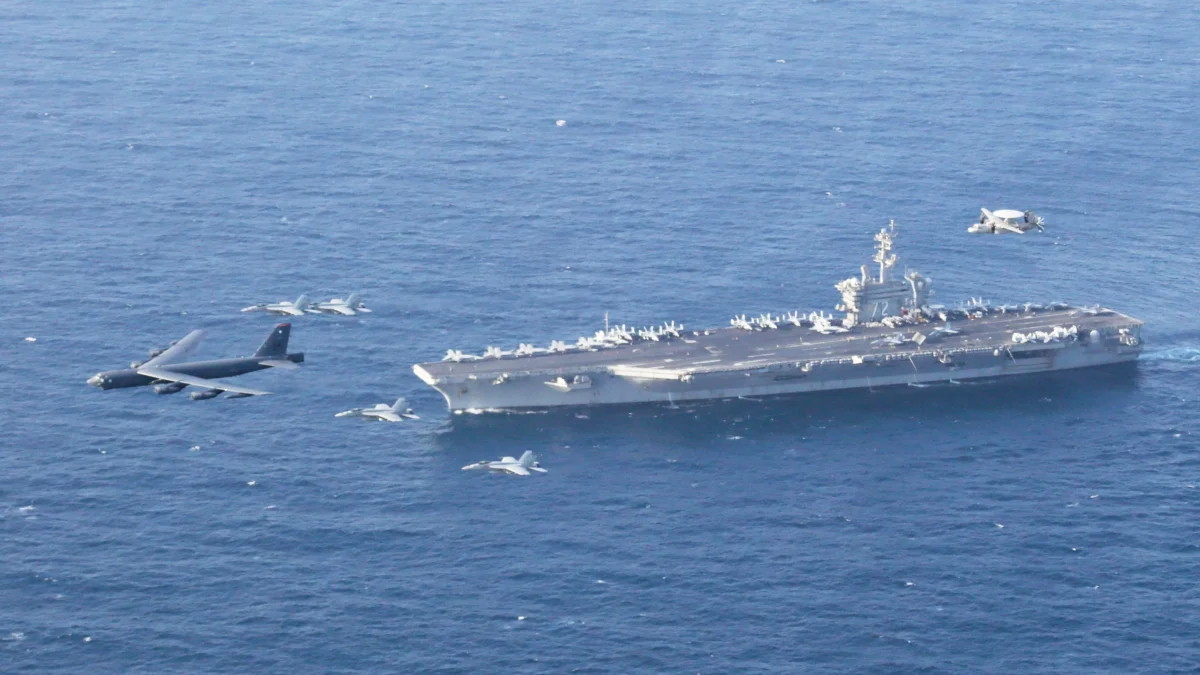
Table of Contents
Navy Families Voice Concerns as Abraham Lincoln Sailors Face Mental Health Crisis
Provpnadvice.com – Family members of sailors serving aboard the USS Abraham Lincoln aircraft carrier gathered in San Diego this week to express mounting concerns about the psychological toll of an extended Middle East deployment. The meeting highlighted growing fears that the grueling mission is contributing to worsening mental health conditions and increasing the risk of self-harm among crew members.
Leadership Engagement with Families
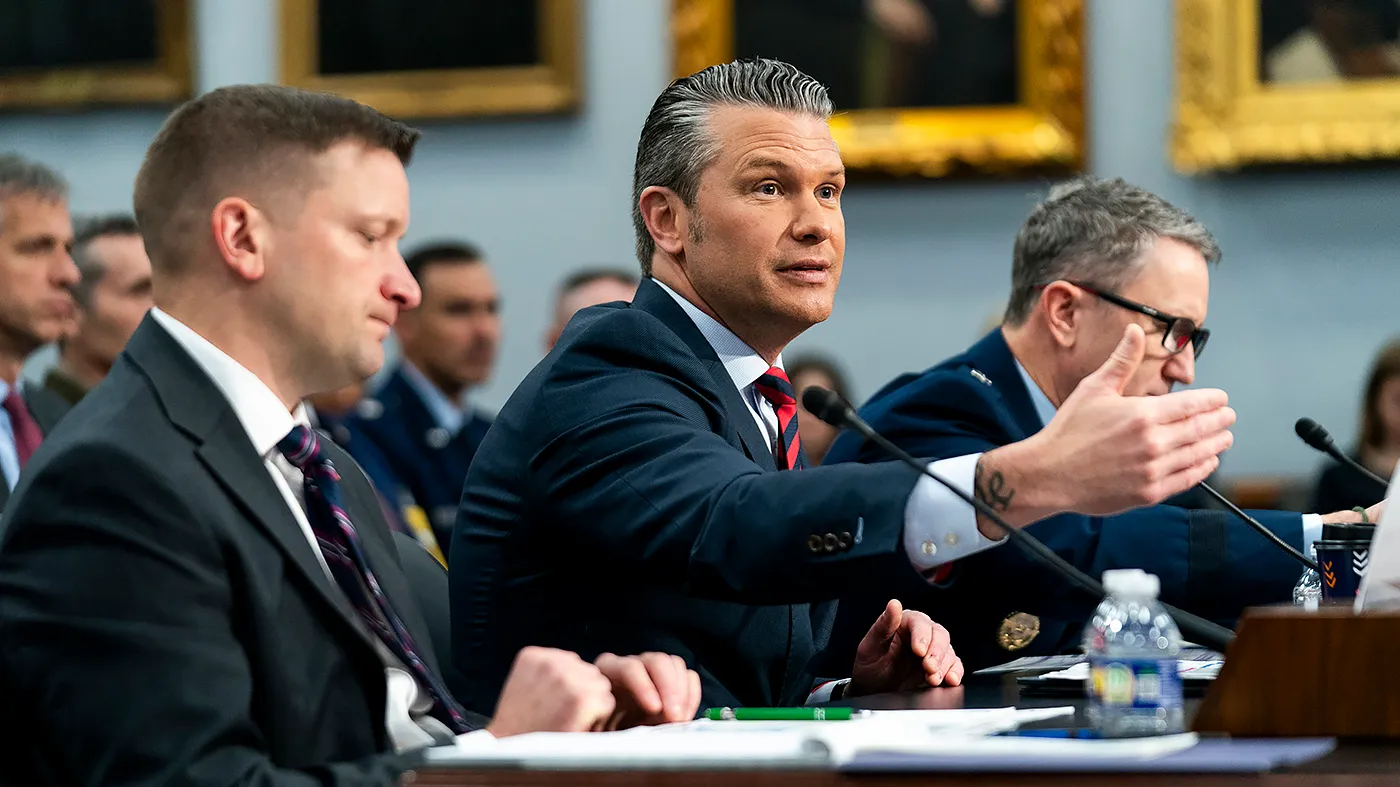
The in-person gathering drew approximately 200 attendees on Thursday, providing an opportunity for families to speak directly with senior Navy officials. Hung Cao, the acting Navy secretary, joined Vice Adm. Douglas Verissimo, who leads the Naval Air Forces, and Vice Adm. Joseph Cahill, commander of the Naval Surface Forces, among other military leaders.
While Cao participated in the San Diego meeting, the other senior officials also connected with families through an online video call, ensuring broader participation from relatives who could not travel to the West Coast.
Emotional Testimonies from Home
Families shared deeply personal accounts of their concerns, with some expressing fundamental doubts about the relationship between sailors and their command structure. One spouse characterized the situation as representing “broken trust between us and the leadership,” conveying a sense that the Navy had failed to adequately support its personnel through this challenging period.
Perhaps most poignant was the account of a mother who received a message from her son on the same day as the meeting. The sailor wrote simply that “he hopes he doesn’t wake up tomorrow,” a statement that captured the depth of despair some crew members are experiencing.
“Leadership is continuously conducting assessments to monitor and sustain the psychological readiness of every sailor,” the Navy said in a statement to the outlet on Monday.
Navy Response and Resources
Although officials at the meeting did not provide immediate responses to the most emotional statements, they emphasized that sailors aboard the aircraft carrier have access to comprehensive support services. Mental health workers, chaplains, and medical doctors are available to crew members, and the Navy is actively working to deploy additional mental health professionals to the vessel.
The Navy’s commitment to addressing these concerns extends beyond immediate resources. Leadership has indicated that ongoing assessments are being conducted to track the psychological well-being of every sailor, demonstrating a systematic approach to monitoring mental health during the extended deployment.
A Deployment Pushed Beyond Limits
The Abraham Lincoln’s current mission has become increasingly demanding due to an unusual redirection of its original schedule. The aircraft carrier departed San Diego in November for a planned Pacific deployment but was redirected to the Middle East in January. Originally expected to return home in May, the ship has now been at sea for more than eight months with no publicly announced date for its return.
This extended timeline has resulted in 250 consecutive days at sea, during which the crew has conducted 40 days of continuous combat operations in support of the Iran war. The combination of prolonged time at sea and active combat duties has created an exhausting environment for the roughly 5,000 service members aboard the vessel.
Conditions Affecting Morale
Beyond the psychological strain, sailors have faced practical challenges that compound their difficulties. Food and water shortages have been reported, and the typical port calls that occur every 30 to 45 days have been significantly reduced. This means crew members have had fewer opportunities to rest, resupply, and reconnect with family.
The impact on morale has been substantial. One sailor described the situation as having “nothing to really look forward to at this point,” noting that morale is so low that service members are willing to skip upcoming port stops entirely to return home as quickly as possible.
“My son is currently on that ship and listening to him say that he and his shipmates constantly think about jumping off the ship just for relief is so hard to listen to,” one parent told Stars and Stripes in July.
Incidents and Ongoing Concerns
The mental health crisis aboard the Abraham Lincoln has manifested in concrete incidents. At least one crew member was prevented from jumping overboard, and there are multiple reports of suicidal thoughts among sailors. These incidents have underscored the urgency of the Navy’s response and the importance of the family meeting.
Looking Ahead
Navy leadership has reaffirmed its commitment to addressing these challenges. Officials stated they are dedicated to “listening to our families, supporting our servicemembers, and ensuring the Abraham Lincoln Carrier Strike Group has the resources needed to safely and successfully accomplish its mission.”
The situation on the Abraham Lincoln reflects broader challenges facing the U.S. Navy as it manages extended deployments and combat operations. The mental health of sailors has become a critical concern, with families playing an increasingly important role in advocating for their loved ones. As the deployment continues, the Navy will need to balance operational requirements with the well-being of its personnel, ensuring that sailors can complete their mission while maintaining their psychological health.
The outcome of this meeting and the Navy’s subsequent actions will likely influence how future deployments are managed, particularly regarding mental health support and family communication. For now, the 5,000 sailors aboard the Abraham Lincoln continue their mission, hoping that the extended deployment will soon come to an end and that the support they need is being provided both on board and through the families who wait for their return.
Related Reading
Frequently Asked Questions
What is Navy meets with USS Abraham Lincoln?
Navy meets with USS Abraham Lincoln is the main topic of this guide. The article explains the context, practical details, and next steps readers should understand.
Why does Navy meets with USS Abraham Lincoln matter?
Navy meets with USS Abraham Lincoln matters because readers are looking for a useful answer, not just a short summary. Good content should match search intent and help them decide what to do next.