China restricts exports to US defense firms

China restricts exports to US defense firms
New Export Controls Target U.S. Defense Contractors
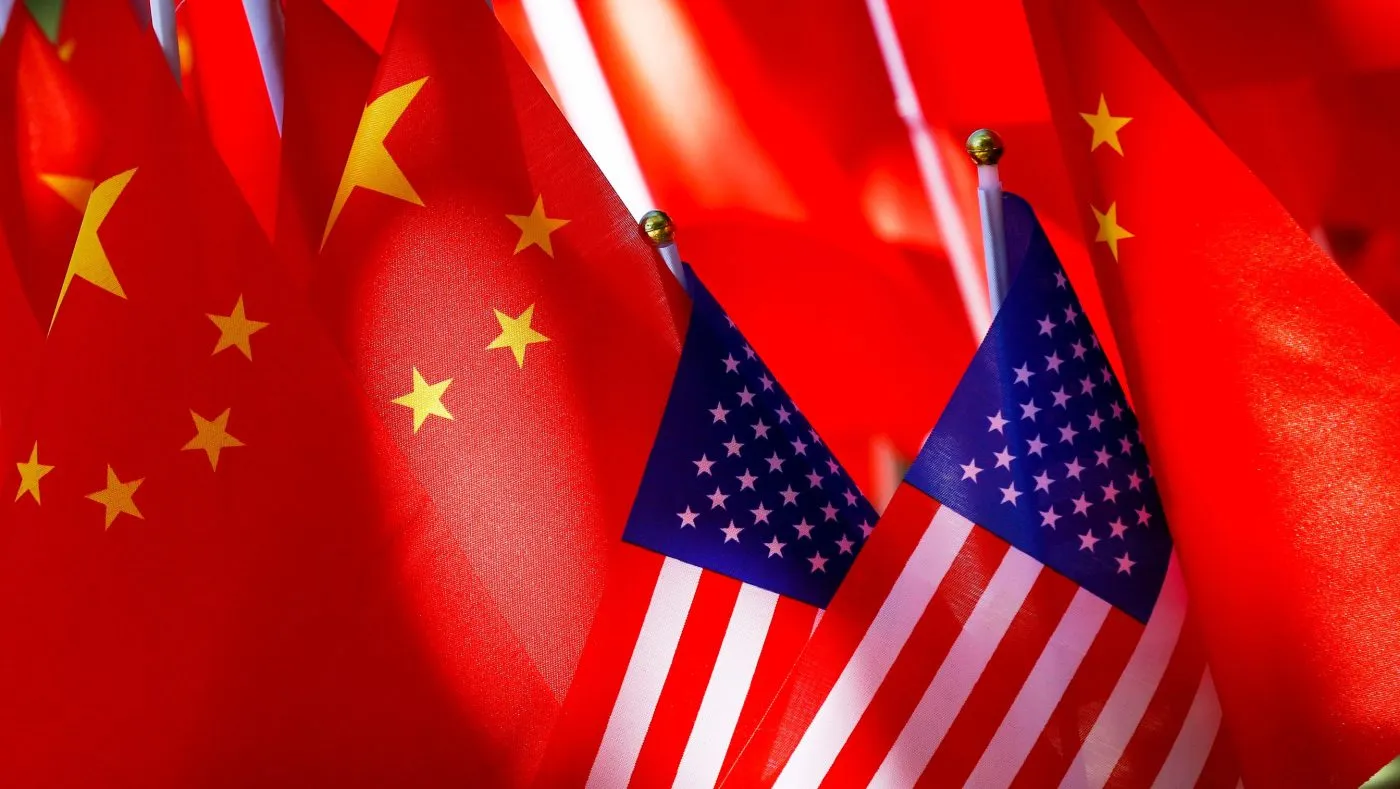
Provpnadvice.com – On Monday, China announced the addition of ten American defense-related companies to its export control list, effectively halting the sale of dual-use technologies to these entities. The move is part of a broader strategy to limit the flow of strategic goods and services to U.S. defense sectors, which China has increasingly targeted in its efforts to counter American technological and military advancements.
Dual-use items, which serve both civilian and military applications, now face restrictions in their export to the listed firms. This includes advanced robotics, autonomous drone systems, and software capable of coordinating swarm technologies, all of which are critical for defense operations. While these products can be used for non-military purposes such as logistics or environmental monitoring, their export to U.S. defense contractors is now strictly regulated.
“Exporters are now barred from delivering dual-use goods to the ten designated entities. Furthermore, any individual or organization—regardless of their location—must not facilitate the transfer of such items from China to these firms. Existing exports in progress must be halted immediately,” stated a release from the Chinese Ministry of Commerce.
The updated list encompasses a mix of well-established defense firms and emerging technology startups. Notable entries include AVEOX, a California-based company specializing in autonomous systems; Red Cat Holdings, Teal Drones, and IMSAR, all based in Utah; Jaia Robotics from Rhode Island; Ball Aerospace & Technologies in Colorado; Oshkosh Defense in Wisconsin; L3Harris Maritime Services in Virginia; MP Materials based in Las Vegas; and USA Rare Earth in Oklahoma. These firms are pivotal in sectors ranging from satellite technology to armored vehicle development.
The decision to impose these restrictions comes amid escalating trade tensions between the U.S. and China. By designating these companies, China aims to disrupt supply chains that support American military capabilities, particularly in areas like satellite communications and artificial intelligence. The move also reflects China’s growing emphasis on controlling the global distribution of critical technologies, which it views as essential for its own strategic interests.
Broader Trade Measures and Strategic Leverage
China’s actions extend beyond the ten firms. The country also barred government agencies from acquiring products made by 46 American companies, further tightening economic ties. This measure is intended to reduce U.S. reliance on Chinese manufacturing and to apply pressure on American defense firms that operate in key sectors.
Notable among the 46 companies is Lockheed Martin, a leader in aerospace and defense systems; Boeing, which dominates military aircraft production; Raytheon, known for radar and missile systems; and Axient, a provider of communication technologies. The exclusion of these firms underscores China’s focus on sectors that are vital to national security infrastructure.
China’s export control measures are part of a coordinated effort to exert strategic leverage in its rivalry with the U.S. The immediate implementation of the restrictions highlights the urgency with which Beijing seeks to limit the availability of critical technologies. However, the policy allows for exceptions in cases where exports are deemed “truly necessary,” providing flexibility for urgent or exceptional circumstances.
Context of Pentagon Actions and U.S. Response
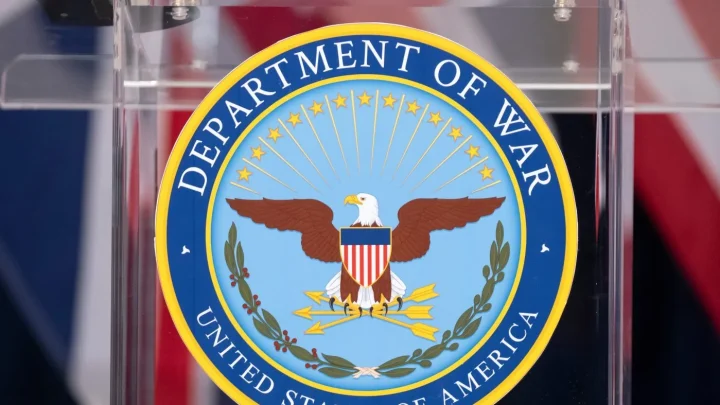
The restrictions are a direct response to the Pentagon’s recent move to add Chinese companies to its Entity List under Section 1260H of the U.S. Trade Act. This list prohibits entities from contracting with the Department of Defense, citing their alleged ties to China’s military. Tech giants such as Alibaba, BYD, and Baidu were included for their connections to the People’s Liberation Army, as reported by The Associated Press.
These actions by the Pentagon have intensified the trade battle between the two nations. By targeting Chinese firms, the U.S. seeks to curb the spread of technology that could enhance China’s military capabilities. In turn, China’s response underscores its determination to retaliate and protect its economic and technological interests.
The move has drawn attention from U.S. lawmakers and analysts, who view it as a significant escalation in the ongoing trade conflict. House Select Committee on the Chinese Communist Party Chair John Moolenaar (R-Mich.) described the action as “a warning to American businesses, all levels of government, and the American people.” He emphasized the need for vigilance in safeguarding national security against potential threats from Chinese entities.
Adding to the pressure, Moolenaar and other lawmakers have pushed for stricter measures, including banning American defense contractors from employing lobbyists or firms linked to China’s military. This proposal aims to cut off potential influence channels and ensure that defense spending aligns with national security priorities.
Chinese Embassy’s Criticism and Global Implications
In response to the U.S. actions, the Chinese Embassy accused Washington of “making discriminatory lists to go after Chinese companies.” This accusation frames the export restrictions as an unfair targeting of Chinese firms, potentially damaging diplomatic relations and trade partnerships.
The controversy highlights the ideological divide between the two nations. While China argues that its measures are necessary to safeguard strategic assets, the U.S. sees them as a defense against foreign interference in domestic industries. The export controls also signal a shift in how both countries view technology as a tool of geopolitical influence.
Experts warn that these restrictions could have long-term effects on global supply chains. Dual-use technologies, which are often developed in collaboration across borders, may now face increased scrutiny and delays in their transfer to the U.S. defense sector. This could impact the efficiency of military operations and the pace of technological innovation in the region.
As the conflict continues, both nations are likely to refine their strategies. China’s move to target U.S. defense firms demonstrates its ability to respond swiftly to American sanctions, while the U.S. appears committed to expanding its list of entities under scrutiny. The outcome of these measures will depend on how effectively each side can adapt to the evolving landscape of international trade and security cooperation.