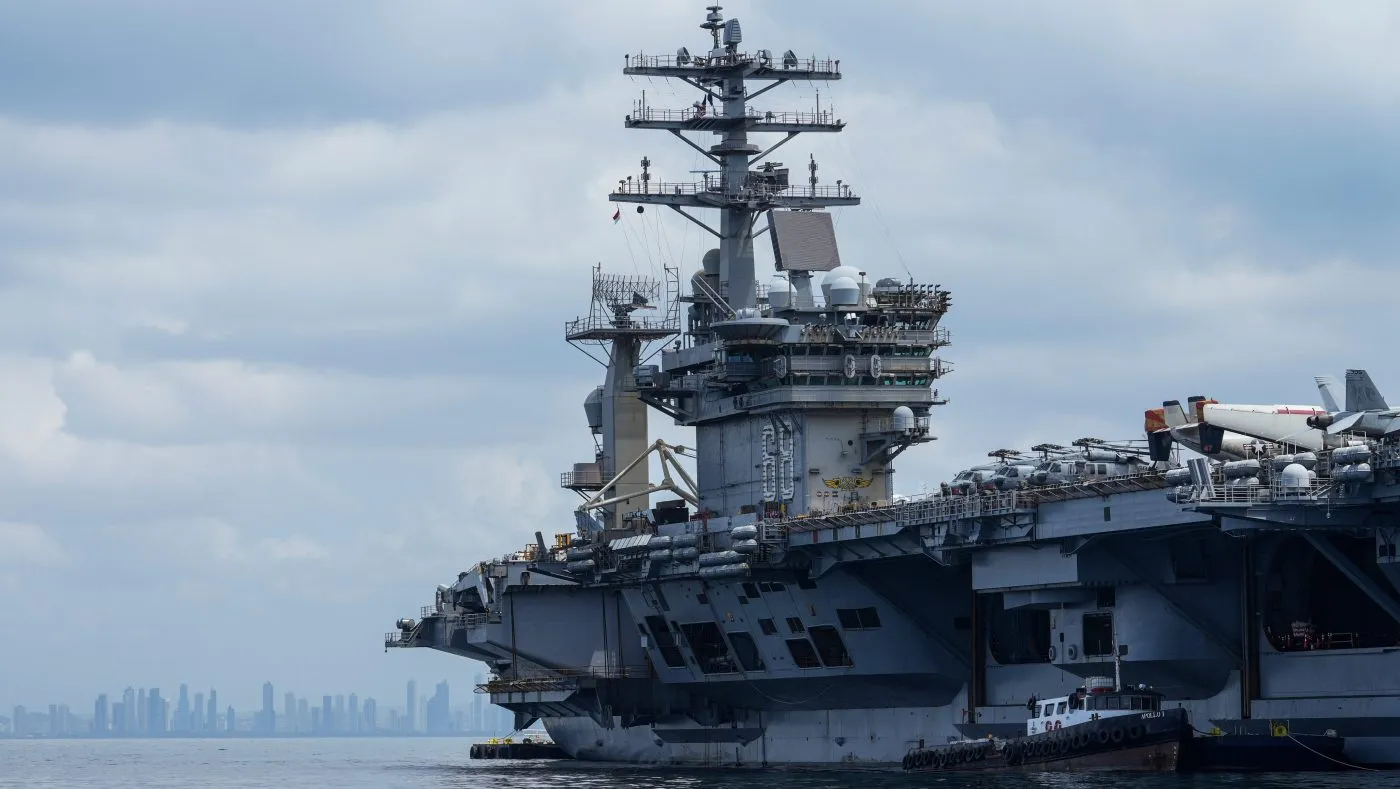
Centcom: US conducts additional strikes on Iran

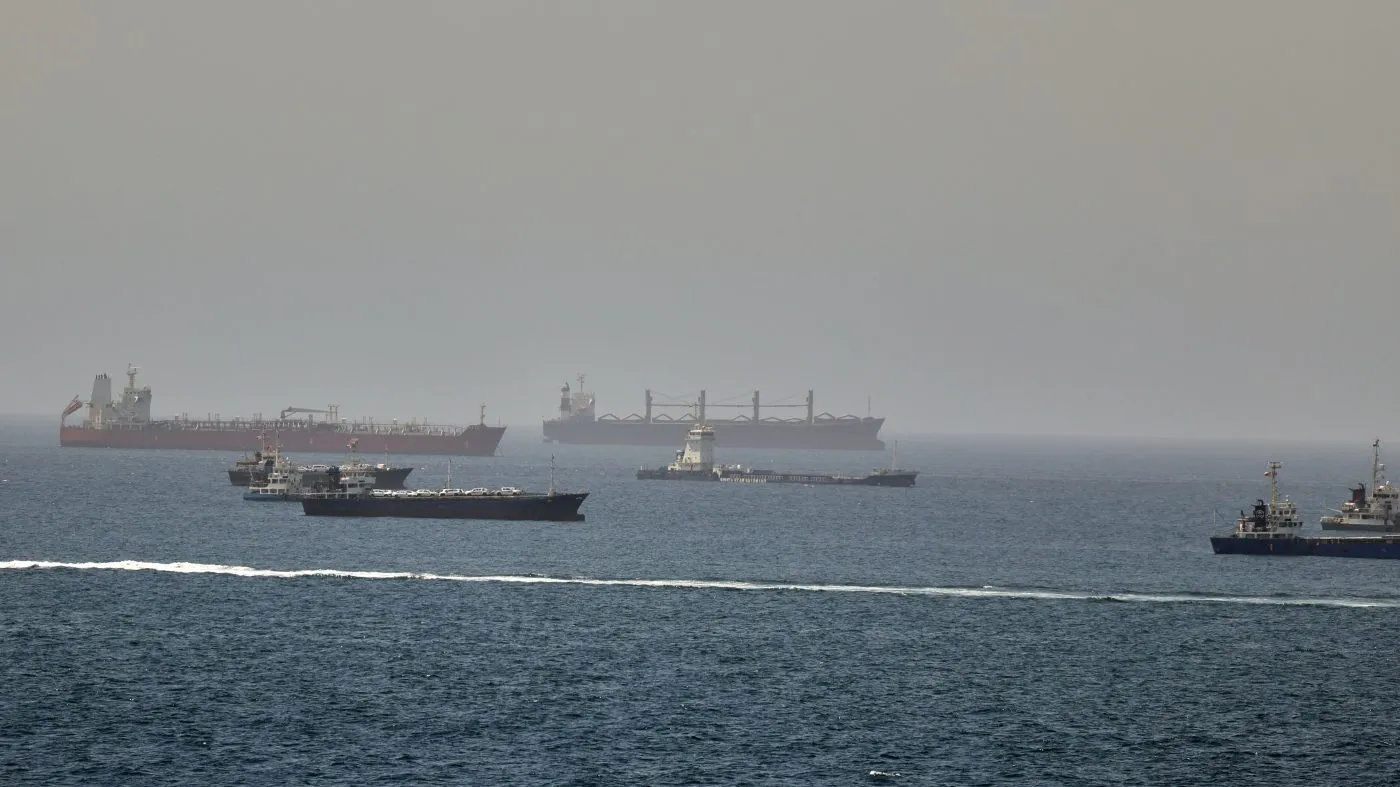
Centcom: US Conducts Additional Strikes on Iran
Provpnadvice.com – On Saturday, U.S. Central Command (Centcom) confirmed that U.S. forces carried out additional strikes against multiple Iranian targets in response to an attack on a Panama-flagged tanker near the Strait of Hormuz. The incident, which occurred during the early hours of the morning, has intensified tensions in the region, with both sides accusing each other of escalating hostilities.
According to Centcom, the strikes were launched to counter Iran’s aggressive actions against commercial shipping. The military aircraft targeted Iran’s infrastructure, including surveillance systems, communication hubs, air defense installations, and drone storage facilities. These sites were identified as critical components of Iran’s operational capabilities in the strategic waterway.
“CENTCOM forces launched strikes today in direct response to continued Iranian aggression against commercial shipping,” Centcom stated in a tweet posted on X. “U.S. military aircraft targeted Iranian military surveillance infrastructure, communication systems, air defense sites, drone storage facilities, and minelayer capabilities.”
The attack on the Panama-flagged tanker, M/T Kiku, occurred around 4:30 a.m. local time. The vessel, carrying over two million barrels of crude oil, was transiting the Strait of Hormuz when it was struck by a one-way attack drone. Centcom reported that the incident was a direct act of aggression, prompting the U.S. to retaliate with precision strikes.
The situation in the Gulf has grown increasingly volatile as the U.S. and Iran exchange military actions. Following the tanker attack, the U.S. responded by targeting Iranian missile and drone storage locations, as well as coastal radar systems. These strikes were intended to disrupt Iran’s ability to conduct further attacks on maritime traffic.
Iran’s Islamic Revolutionary Guard Corps (IRGC) had previously struck a Singapore-flagged cargo ship near Oman’s coast, an event President Trump described as a “foolish violation” of the ceasefire. The attack, which occurred on Thursday, marked a significant escalation in the conflict and raised concerns about the stability of the region’s maritime corridors.
Centcom emphasized that Iran was given an opportunity to uphold the ceasefire agreement after the initial strikes. However, the country allegedly failed to comply, according to the statement. The 14-point memorandum of understanding, signed electronically last week, was designed to extend the pause in hostilities for 60 days and ensure unrestricted passage for commercial vessels through the Strait of Hormuz.
The agreement requires Iran to make “best efforts” to guarantee the safe and unobstructed movement of ships. Despite this, the strait remains a focal point of contention, with conflicting claims about control over the vital waterway. While the channel is officially open, recent actions by Iran have cast doubt on its operational availability.
Centcom’s response to the tanker incident underscores the U.S. commitment to protecting international trade routes. The Strait of Hormuz, a key passage for oil exports, has become a flashpoint for geopolitical tensions. Analysts note that the area is crucial for global energy security, with over two million barrels of oil passing through daily under normal conditions.
Recent days have seen a sharp decline in traffic through the strait. A real-time dashboard tracking maritime activity in the region reported only five vessels transiting the narrow channel within the past 24 hours. This figure represents a fraction of the usual volume, highlighting the disruption caused by the ongoing conflict.
The renewed hostilities have sparked debates about the effectiveness of the ceasefire. While the agreement was intended to stabilize the region, Iran’s actions suggest the terms may be more symbolic than binding. Centcom’s statement highlights the need for immediate compliance, warning that Iran’s “dangerous behavior” is threatening freedom of navigation.
Iran’s military operations have included both drone attacks and missile strikes, targeting commercial vessels to assert control over the strait. The M/T Kiku incident is part of a broader pattern, with the IRGC allegedly using the area as a strategic battleground. This strategy has drawn criticism from U.S. officials, who argue that such actions undermine international cooperation and economic stability.
As the situation escalates, the U.S. continues to monitor developments closely. The strikes conducted by Centcom aim to send a clear message to Iran, reinforcing the U.S. position that aggression against shipping must be addressed swiftly. Meanwhile, the global shipping community remains wary, with some companies rerouting vessels to avoid potential threats in the region.
The strategic importance of the Strait of Hormuz cannot be overstated. It is a critical chokepoint for oil shipments, with over 20% of the world’s seaborne crude oil passing through it daily. Any disruption to this flow could have significant economic repercussions, affecting energy prices and supply chains worldwide.
Centcom’s recent actions reflect a broader U.S. strategy to deter Iran from further incursions. The military’s focus on targeting communication systems and surveillance infrastructure suggests an effort to degrade Iran’s operational capacity and reduce its ability to coordinate attacks. This approach aligns with the U.S. goal of maintaining dominance in the region’s maritime domain.
Despite the strikes, the conflict shows no signs of abating. Iran’s continued use of drones and other platforms to attack commercial vessels indicates a willingness to challenge U.S. interests. The incident involving the Singapore-flagged ship, which occurred earlier in the week, serves as a reminder of the fragile nature of the ceasefire and the potential for renewed hostilities.
As the situation evolves, the international community watches closely. The Strait of Hormuz remains a symbol of the delicate balance between military strategy and economic cooperation. Centcom’s response to the latest attack is a testament to the U.S. resolve to protect vital trade routes, even as tensions persist and the region teeters on the edge of renewed conflict.