Trial date set for DC pipe bomb suspect

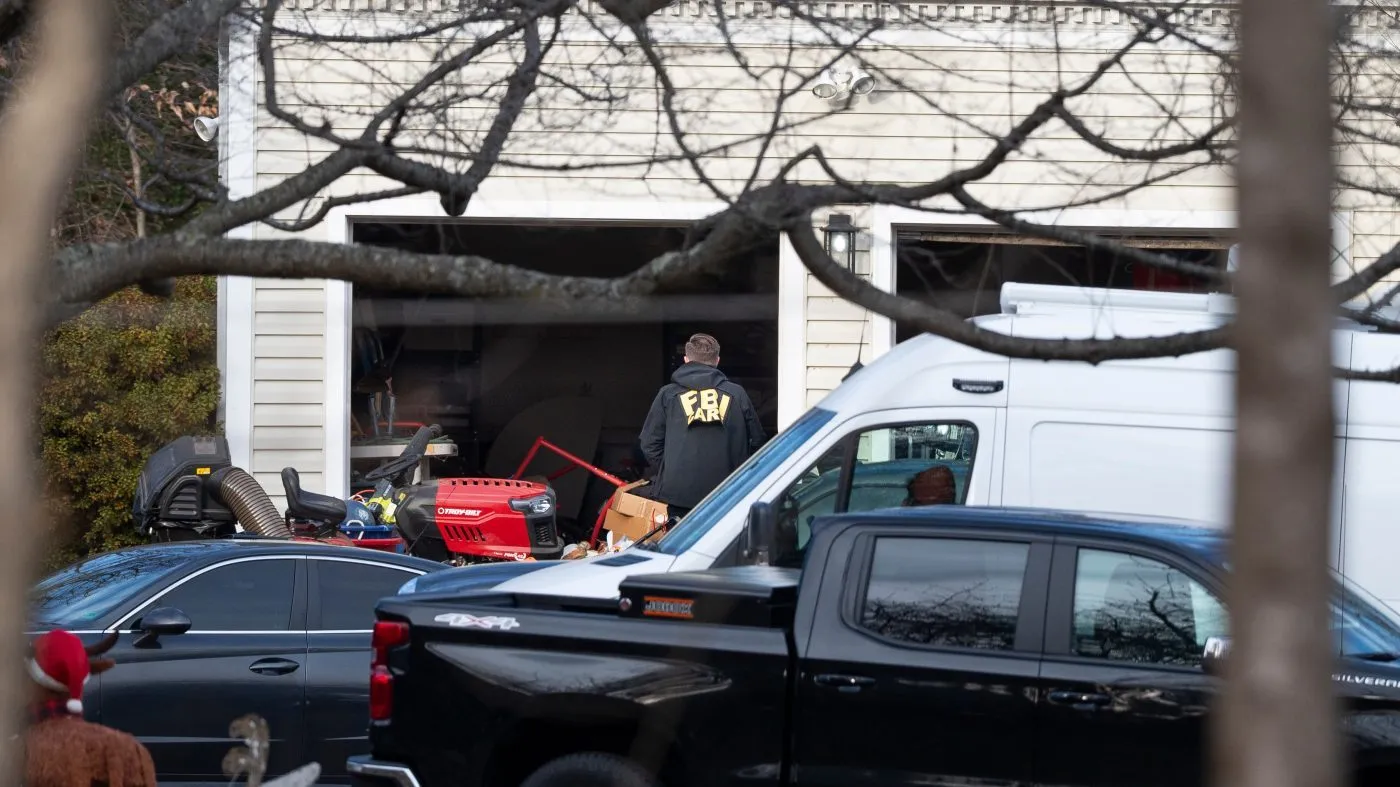
Brian Cole Jr. Faces Trial in February for Capitol Hill Pipe Bomb Incident
Legal Proceedings Move Forward
Provpnadvice.com – A Virginia resident named Brian Cole Jr. will soon face jury selection and trial proceedings regarding his alleged role in placing explosive devices near major political party headquarters. According to reports from The Associated Press, District Judge Amir Ali officially scheduled the commencement of proceedings for February 16, with the entire trial expected to span approximately fourteen days.
The judicial decision came during a short hearing held on Wednesday, marking another milestone in a case that has captivated legal observers since the explosive devices were discovered. Cole’s attorneys have been preparing their defense strategy while simultaneously challenging the prosecution’s case through various motions and arguments.
Arrest and Charges
Law enforcement officers apprehended Cole at his residence in Virginia during the previous December, concluding what prosecutors described as an extensive investigation lasting nearly five years. The arrest followed months of surveillance and evidence gathering that connected the suspect to the explosive devices found near the Democratic National Committee and Republican National Committee buildings in southeast Washington, D.C.
The federal indictment against Cole includes four separate felony counts. These charges encompass interstate transportation of explosives, a malicious attempt to use explosive devices, an attempt to employ weapons of mass destruction, and an act of terrorism committed while armed. Each count carries significant potential penalties depending on how the jury ultimately rules.
Cole entered pleas of not guilty to all charges brought against him. Should he be found guilty on the terrorism and weapons of mass destruction counts specifically, he could potentially receive a life sentence without parole. This maximum penalty underscores the severity with which federal authorities are treating the incident.
The January 6 Incident
The explosive devices were discovered on the afternoon of January 6, 2021, in the vicinity of both party headquarters. The pipe bombs had been strategically positioned but never detonated, allowing the U.S. Capitol Police’s specialized bomb squad to safely remove them without incident. The timing of the discovery proved crucial, as it occurred during heightened security operations surrounding the Capitol building.
Video surveillance systems captured Cole walking through the neighborhood surrounding the party headquarters between 7:30 and 8:20 p.m. on January 5, carrying a backpack. Investigators believe he placed both pipe bombs within a twenty-minute window during this period, demonstrating careful planning and execution of his alleged actions.
Pardon Defense Argument
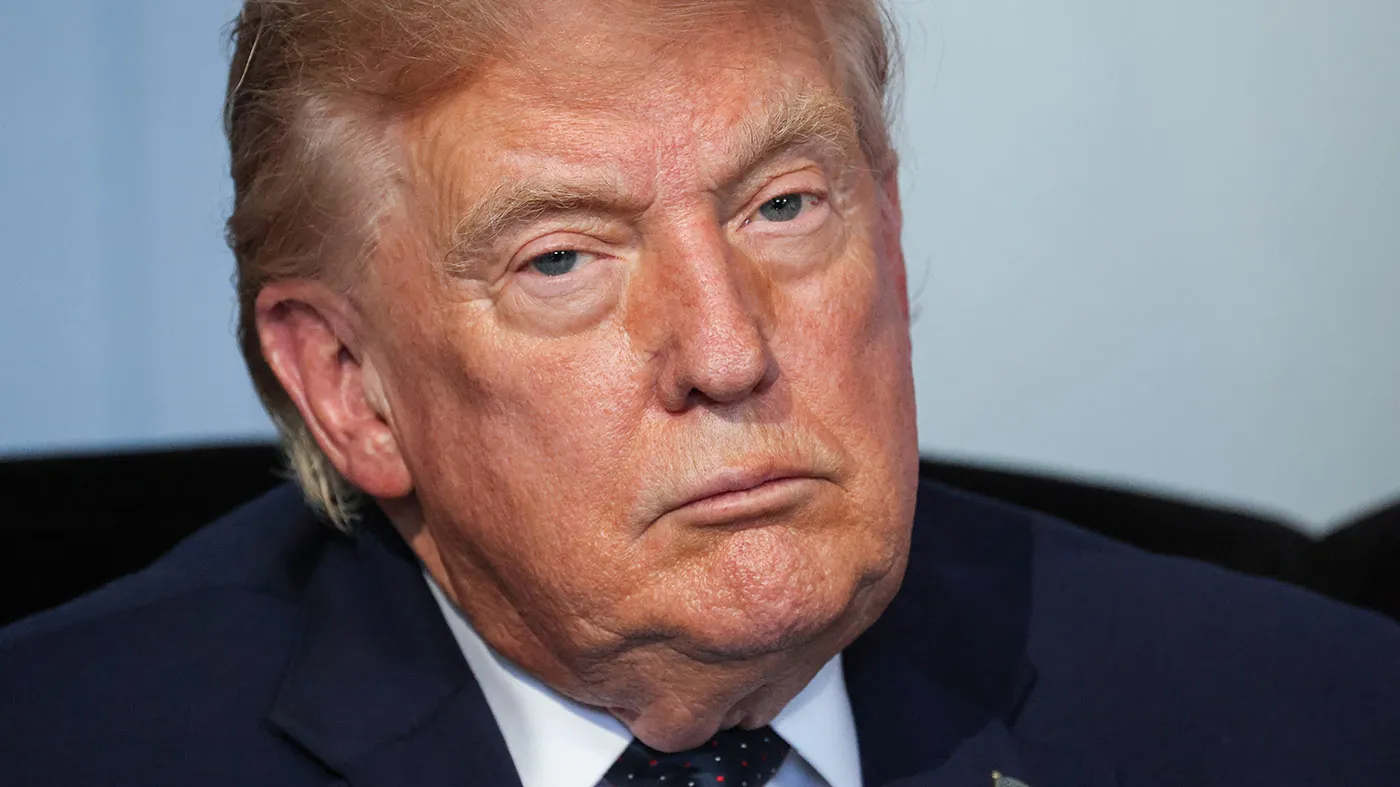
Cole’s legal representatives have mounted a significant challenge to the prosecution’s case by arguing that President Trump’s broad pardons issued to January 6 participants should apply to Cole’s alleged conduct. Attorneys Mario Williams and John Shoreman presented this argument in a filing submitted in March, contending that the presidential pardon was specifically intended to cover cases like Cole’s.
“By the government’s own telling, this is exactly the kind of case that President Trump’s January 20, 2025 Presidential Pardon was invoked to reach,” attorneys Mario Williams and John Shoreman wrote in their March filing.
However, Judge Amir Ali rejected this defense argument on Monday, issuing a ruling that clarified the scope of the presidential pardon. The Biden appointee determined that the pardon was expressly limited to individuals who had already received convictions for crimes connected to the Capitol attack before the pardon was issued.
“Cole had not been convicted of the conduct at issue when the President issued the pardon; indeed, he was not charged until many months after the President’s proclamation,” Ali wrote in a three-page order explaining the decision.
Looking Ahead
During Wednesday’s hearing, one of Cole’s attorneys informed the judge that neither the defense team nor the prosecution has engaged in discussions regarding a potential plea agreement. This suggests that both sides are preparing for a full trial rather than seeking a negotiated resolution.
The upcoming trial will likely feature extensive testimony from law enforcement officials, forensic experts, and potentially eyewitnesses who observed Cole’s movements in the days leading up to the incident. The proceedings will also need to address whether the evidence sufficiently establishes Cole’s intent and actions on January 5 and 6, 2021.
Legal analysts suggest that the trial could set important precedents regarding the application of presidential pardons to individuals who were charged but not yet convicted at the time of the pardon’s issuance. The outcome may influence how similar cases are handled in the future, particularly those involving participants in the January 6 events who were arrested after the pardon was granted.
As February approaches, all eyes will be on the courtroom where Brian Cole Jr. will face the jury and attempt to convince them of his innocence or, alternatively, negotiate a favorable resolution if circumstances change during the trial proceedings.