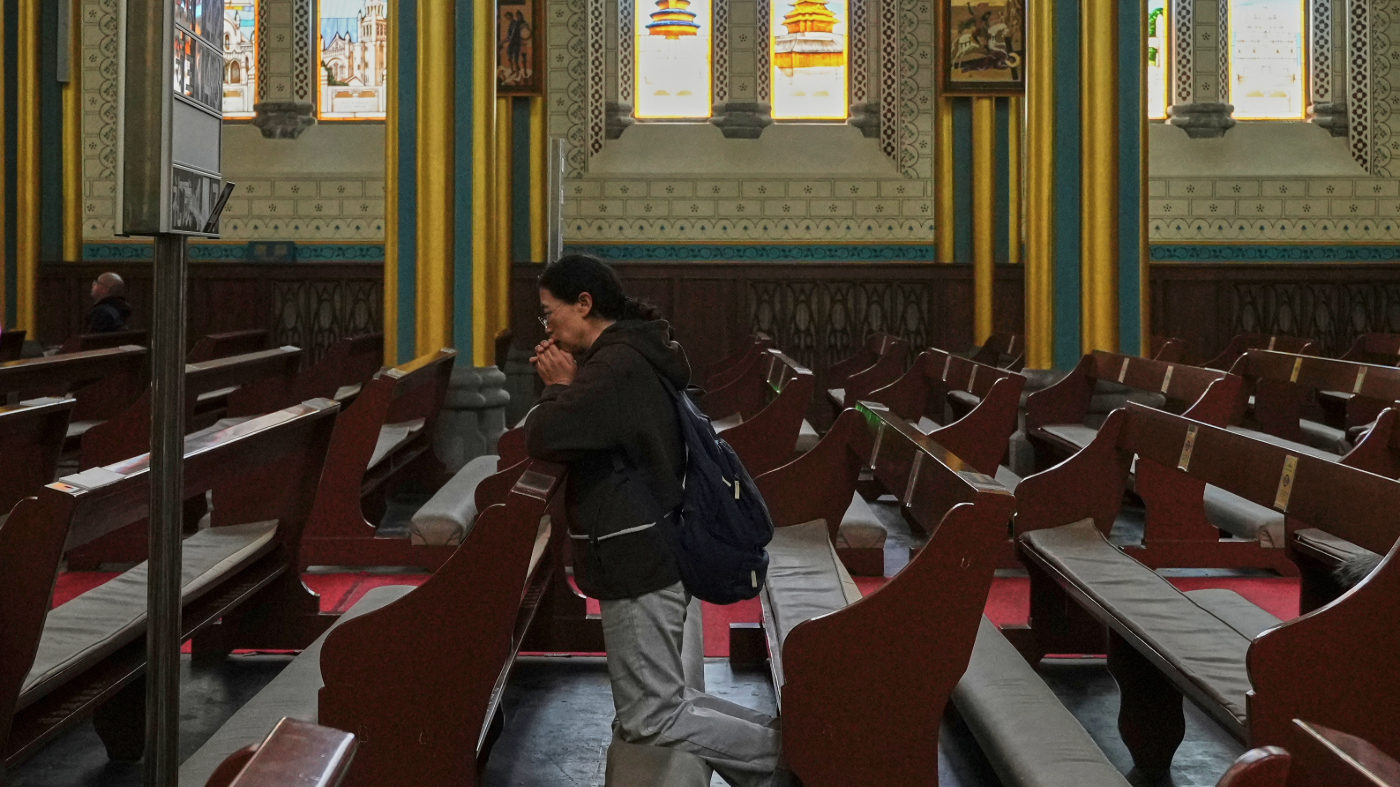
The right to worship shall not be infringed

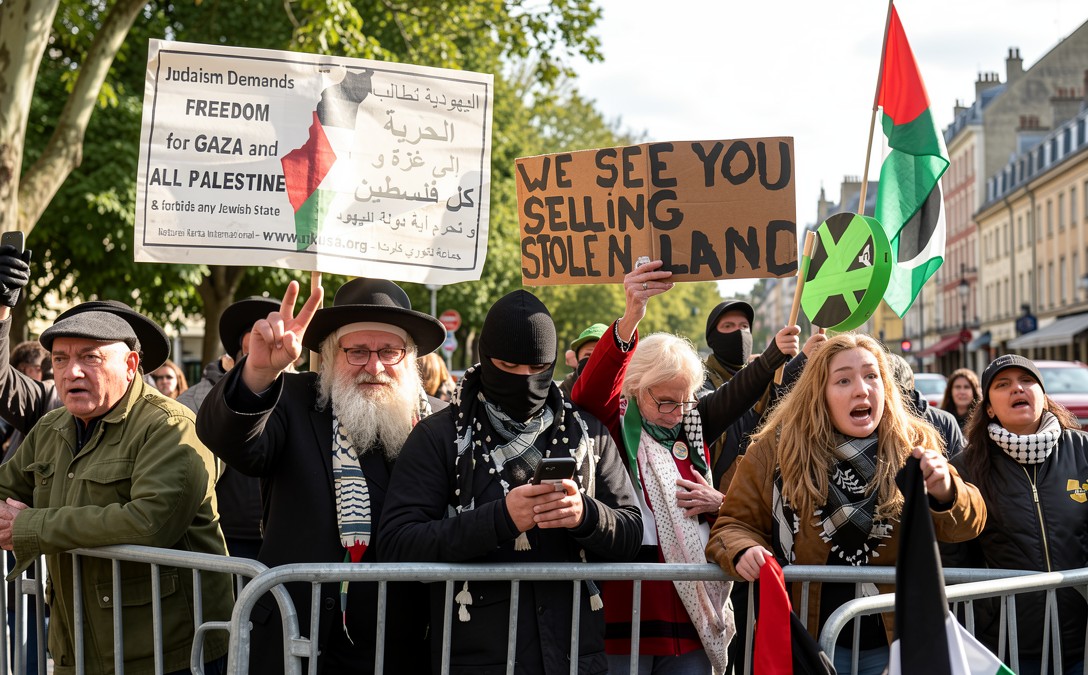
Table of Contents
When the Sanctuary Door Becomes a Battleground
Provpnadvice.com – America’s oldest constitutional promise — that no citizen shall be barred from practicing faith without fear — is under siege. Across the country, places where people gather to pray, study scripture, and find solace are increasingly becoming sites of confrontation, intimidation, and outright violence. The question facing lawmakers in Washington is no longer whether such disruptions warrant a legislative response, but how quickly Congress will act before the next congregation is turned away from its own front door.
A Pattern of Escalation
The incidents have grown more frequent and more aggressive over the past year. In New York City, a man stormed into Central Synagogue during a Friday-night Kabbalat Shabbat service and physically attacked both a congregant and a security guard. Months earlier, at Park East Synagogue in Manhattan, approximately 200 demonstrators surrounded the building, chanting slogans including
“Globalize the intifada,” “Death to the IDF,” and “We need to make them scared.”
Those attempting to enter were forced to walk through a wall of antisemitic slurs and threats. By May, the harassment had intensified further: demonstrators waved a Hezbollah flag and hurled accusations of being “rapist” and “pedophile” at Jewish worshippers simply trying to reach their seats.
The phenomenon is not confined to one city. In Los Angeles, masked protesters gathered outside Wilshire Boulevard Temple, shouting “baby killers” and “Zionist pigs” at attendees. Two of the demonstrators were arrested on charges of battery and destruction of property after forcing their way past the entrance and into the building.
The Jewish community bears the brunt of this wave, but it is far from alone. Last fall, an LDS church in Michigan was besieged and set ablaze, reduced to ashes. In May, three people lost their lives while shielding students and worshipers at the largest mosque in San Diego. Houses of worship of every denomination are being converted from sanctuaries of reflection into flashpoints of public conflict.
The Numbers Behind the Fear
The Anti-Defamation League documented dozens of protest-related antisemitic incidents in 2025 alone, along with nearly 530 separate incidents of harassment directed at synagogues across the United States. While the total count of antisemitic incidents dipped slightly from the previous year, physical assaults climbed to record highs — a distinction that underscores how the nature of the threat has shifted from verbal hostility to bodily danger.
For communities that have historically relied on the quiet dignity of worship, the requirement of police escorts just to cross a threshold represents a profound rupture in the social contract.
A Bipartisan Legislative Response
In response to this trajectory, the ADL spent months building a broad coalition of supporters around a piece of legislation now before Congress: the Right to Worship Act. The bill is both bipartisan and bicameral, introduced by Senators Ted Cruz (R-Texas) and Elissa Slotkin (D-Michigan) alongside Representatives Tom Suozzi (D-New York) and Brad Knott (R-North Carolina).
The core mechanism is straightforward. The Act would designate a 100-foot safe access zone surrounding any place of religious worship. Within that perimeter, conduct intended to disrupt services or physically impede a person’s ability to attend them would be prohibited. Crucially, the bill does not silence protest. It explicitly preserves the right to peaceful demonstration and other First Amendment-protected expression, drawing a line only where conduct crosses into preventing or obstructing worship attendance.
Proponents argue that existing federal protections leave a gap: they address overt violence but fall short of covering non-violent yet deliberately intimidating behavior — blocking doorways, screaming in congregants’ ears, or creating conditions so hostile that worshippers simply cannot enter.
State-Level Momentum Precedes Federal Action
Before the bill reached Capitol Hill, a patchwork of state and municipal measures had already begun to take shape. Working with community partners, the ADL helped shepherd safe-worship-zone legislation through the legislatures of New York, Maryland, and Arizona. In March, the New York City Council approved buffer-zone protections by a veto-proof majority. Bills remain pending in California and Pennsylvania, while lawmakers in several additional states are advancing comparable proposals.
This grassroots legislative activity, much of it built on ADL research, model statutory language, and sustained advocacy, signals that elected officials at every level are recognizing the urgency of the problem.
Public Opinion Cuts Across Every Divide
The political landscape for such legislation is unusually favorable. Polling in New York — a state at the epicenter of the debate — shows that 70 percent of registered voters back buffer-zone protections outside houses of worship. The support fractures no partisan lines: 73 percent of Democrats, 73 percent of Republicans, and 63 percent of independents favor the measures. Faith communities align just as strongly, with 83 percent of Jews, 76 percent of Muslims, and 72 percent of Christians in favor.
That convergence carries a deeper implication. The right to enter a house of worship without dread is not a sectarian concern. It is not a Jewish question, a Christian question, or a Muslim question. It is an American question — one that touches every family that has ever lit a candle, opened a prayer book, or gathered for communal reflection.
The Stakes of Inaction
Every week Congress delays a decision, another congregation must weigh whether the cost of worship — measured in fear, in police escorts, in the humiliation of being screamed at at the threshold — is worth the spiritual nourishment inside. The Right to Worship Act does not ask Americans to choose between free speech and free worship. It asks only that the two coexist without one being weaponized to extinguish the other. The question before lawmakers is whether they will allow the sanctuary door to remain a site of confrontation, or whether they will restore, in law, the simple principle that no American should have to negotiate a gauntlet of hostility just to pray.
Related Reading
Frequently Asked Questions
What is The right to worship shall not be?
The right to worship shall not be is the main topic of this guide. The article explains the context, practical details, and next steps readers should understand.
Why does The right to worship shall not be matter?
The right to worship shall not be matters because readers are looking for a useful answer, not just a short summary. Good content should match search intent and help them decide what to do next.