What is voter roll-off and could it play a role in who wins the election this year?

Table of Contents
What Is Voter Roll Off in Texas Elections?
Provpnadvice.com – What is voter roll off? In Texas, it describes the drop in participation that can occur as voters move from high-profile contests near the top of a ballot to lesser-known races farther down. A voter may choose candidates for U.S. Senate or governor, then leave offices such as railroad commissioner, land commissioner or local judge blank.
Voter roll-off does not make a ballot invalid. It simply means that more people voted in one contest than in another on the same ballot. The pattern is common when voters recognize leading candidates but have limited information about lower-profile offices and the people seeking them.
Why Down-Ballot Races Receive Fewer Votes
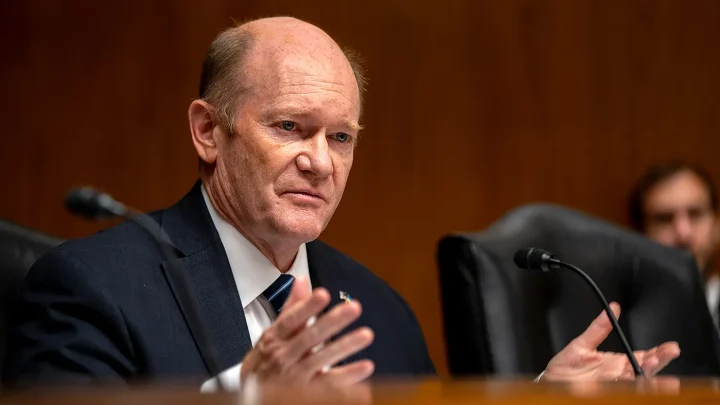
Mark Jones, a political science fellow at Rice University’s Baker Institute for Public Policy, said participation often falls as voters work their way down the ballot. County-level and judicial contests can be especially vulnerable because many voters arrive at those races without knowing the candidates.
“As people get to the lower races on the ballot, they tend to stop voting,” Jones explained. “It gets really bad often when they get to county level offices or judicial offices at the district or county level, because they don’t know who these candidates are and they stop voting.”
Top statewide campaigns typically receive more news coverage, advertising and public attention. Voters may be more familiar with Democrat James Talarico and Republican Ken Paxton in the U.S. Senate contest, Democrat Gina Hinojosa and Republican Greg Abbott in the governor’s race, or Democrat Vikki Goodwin and Republican Dan Patrick in the lieutenant governor contest.
Recognition can diminish quickly in contests for attorney general, land commissioner and railroad commissioner, despite the importance of those offices. A University of Houston Hobby School of Public Affairs survey of 2,000 likely voters found that at least half of respondents did not know enough about 10 statewide candidates to hold either a favorable or unfavorable opinion.
In the attorney general race, 71 percent of respondents said they did not know enough about Democratic state senator Nathan Johnson. Half said the same about Republican state senator Mayes Middleton. In the land commissioner race, 73 percent said they did not know enough about Republican incumbent Dawn Buckingham, while 78 percent said they lacked enough information about her opponent, Benjamin Flores.
How Voters Respond to Unfamiliar Candidates
Understanding what is voter roll off also means recognizing that voters do not all react to unfamiliar names in the same way. Some leave a contest unmarked. Others use the party label shown on the ballot as a shortcut when they do not know the candidates’ records or positions.
“If a voter who gets to say the Office of Land Commissioner and has no idea who the candidates are, they tend to revert to their partisanship because one piece of information that is on the ballot, even if they don’t know who these candidates are, is if they are a Republican, a Democrat or a Libertarian,” Jones explained.
Judicial elections may present an even larger information gap. Jones said surveys often show that 80 percent to 90 percent of voters are unfamiliar with judicial candidates. That level of uncertainty can lead voters either to rely on party identification or to skip the race altogether.
Could Voter Roll-Off Affect Close Texas Races?
Historically, voter roll-off has not usually decided major Texas elections. The decline between contests has generally been about 1 percent to 2 percent, while winning margins in recent midterm elections have been much wider.
However, the effect can matter more when a statewide contest is close. If only a small number of voters skip a race or choose based solely on party affiliation, those decisions can become significant when the final margin is narrow. Jones identified the railroad commissioner race as a particularly competitive down-ballot contest, behind the U.S. Senate race.
For Texans, the practical answer to what is voter roll off is straightforward: it is a reminder to prepare for the full ballot, not only the races receiving the most attention. Reviewing a sample ballot before Election Day gives voters time to research unfamiliar offices and candidates.
Texas Voter Roll-Off FAQ
Can I leave a race blank and still have the rest of my ballot counted?
Yes. Leaving one contest blank does not cancel votes cast in other races. Each contest is counted separately.
How can Texas voters avoid accidental roll-off?
Check a sample ballot before voting, identify unfamiliar offices and research the candidates in advance. Voters can then decide which contests they wish to complete rather than making those choices under time pressure at the polling place.
Does voter roll-off only happen in Texas?
No. The pattern can occur anywhere ballots include multiple contests, especially when voters know more about top-of-ticket candidates than lower-profile candidates.
Related Reading
Frequently Asked Questions
What is What is voter roll off and could?
What is voter roll off and could is the main topic of this guide. The article explains the context, practical details, and next steps readers should understand.
Why does What is voter roll off and could matter?
What is voter roll off and could matters because readers are looking for a useful answer, not just a short summary. Good content should match search intent and help them decide what to do next.