Vance, Harris top early 2028 White House race polling

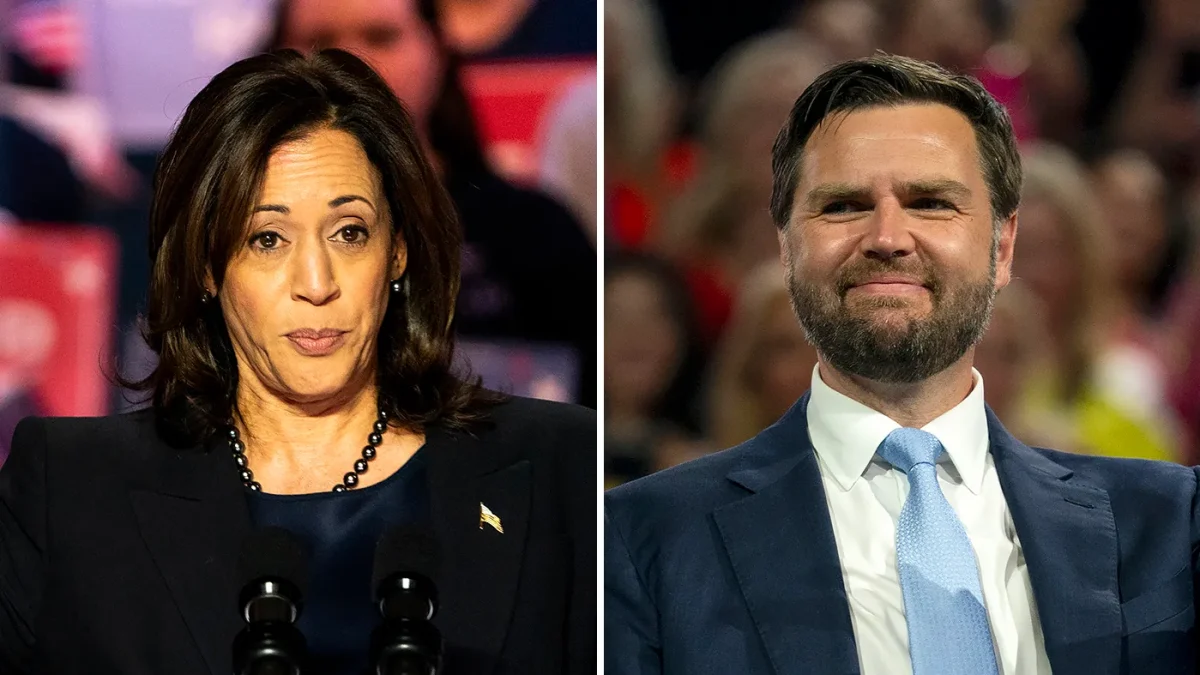
Table of Contents
Early 2028 Polling Puts Vance Ahead in GOP Field, Harris Leads Democrats
Provpnadvice.com – The contours of the 2028 presidential race are beginning to emerge, even though the next White House contest remains years away. Vice President J.D. Vance holds an early advantage among Republican primary voters, while former Vice President Kamala Harris sits at the front of a still-unsettled Democratic field.
The findings illustrate two very different political landscapes. Republicans show a clearer initial preference for a potential successor to President Trump, while Democrats remain far more undecided about who should carry their party into the next election.
Vance Opens a Lead Among Republican Voters
Vance received support from 33 percent of Republican primary voters in a New York Times/Siena University survey conducted Oct. 12-19. That placed him 10 percentage points ahead of Secretary of State Marco Rubio, who was the nearest potential contender.
The vice president has long been viewed as a possible heir to Trump within the Republican Party. Trump has repeatedly mentioned both Vance and Rubio as figures who could seek the presidency, but neither has publicly embraced a 2028 campaign. Vance has said he has never discussed a presidential run with Trump, while Rubio has said he does not intend to pursue a bid in the next cycle.
Even so, the early numbers suggest that Vance begins with a meaningful advantage among voters who could shape a Republican nomination contest. His standing also reflects the continued importance of the Trump administration’s political coalition as the president moves through the latter half of his second term.
Trump himself drew 8 percent support in the survey, despite constitutional limits that would prevent a third presidential term. The result underscores his enduring influence over the party after he has periodically floated the possibility of seeking another term.
Florida Gov. Ron DeSantis, who ran against Trump in the 2024 Republican primary, received 3 percent. Another 6 percent of Republican respondents selected someone else, while 26 percent said they did not know whom they would support.
That undecided bloc leaves considerable room for the field to shift. At this early stage, potential candidates have not assembled formal national campaigns, and voters have years to reassess their choices. Still, Vance’s double-digit edge over Rubio gives him a prominent starting position in the party’s early succession debate.
Harris Leads a Fragmented Democratic Contest
On the Democratic side, Harris led with 12 percent support from primary voters. California Gov. Gavin Newsom followed with 9 percent, and former Transportation Secretary Pete Buttigieg registered 7 percent.
Other Democrats drew smaller shares of support. Rep. Alexandria Ocasio-Cortez of New York received 6 percent, while Sen. Jon Ossoff of Georgia had 4 percent and Sen. Mark Kelly of Arizona had 3 percent.
The larger story may be the uncertainty beneath those numbers. Fifteen percent of Democratic respondents named another candidate, and 45 percent said they had not decided whom they would back. That means nearly half of the party’s prospective primary electorate had no preferred candidate in the early survey.
The wide range of names reflects the Democratic Party’s competing centers of influence: nationally recognized former officeholders, governors with executive experience, prominent senators, and progressive voices with substantial followings. No candidate approached a dominant level of support, leaving the eventual field open to movement as the political environment changes.
Voters Signal a Desire for a Democratic Shift Toward the Center
The survey also measured attitudes about each party’s direction. About half of Democratic respondents said they want their party to move closer to the political center before 2028. Twenty-seven percent preferred a move to the left, and 21 percent said the party should maintain its current direction.
Independents expressed an even stronger preference for a more centrist Democratic Party. Seventy-two percent of respondents in that pivotal group said Democrats should move toward the center.
Those views could become important as prospective Democratic candidates decide how to frame their records and priorities. Primary elections often reward candidates who appeal strongly to party activists, but a general-election strategy must also consider voters outside either major party. The survey suggests that many independents would welcome a Democratic message aimed more directly at the center.
Independents also registered a striking view of the Republican Party’s future. More than 80 percent said they want Republicans to move away from Trump. Republican voters were considerably less likely to share that sentiment: only about one-third said their party should distance itself from the president.
That divide highlights a central challenge for Republicans considering 2028. Trump remains an influential figure among GOP voters, as reflected by both Vance’s position and Trump’s own 8 percent showing. Yet independents, who can be decisive in closely contested elections, appear far more interested in a party less closely tied to him.
What the Early Numbers Can and Cannot Show
The survey included 3,494 voters and carried a margin of sampling error of 1.9 percentage points among likely voters and registered voters. It offers an early measure of public sentiment, not a prediction of who will ultimately become either party’s nominee.
Presidential fields can change rapidly as candidates enter races, endorsements accumulate, policy debates develop and voters gain more information. Candidates who are little known at the beginning of a cycle can rise, while early leaders can face new competition or changing political conditions.
For now, Vance starts with the strongest initial position among Republicans, while Harris leads a Democratic field defined less by a single frontrunner than by broad uncertainty. The party-direction questions add another layer: Democrats face pressure from many voters to emphasize the center, while Republicans must weigh Trump’s continuing strength within their base against skepticism from independents.
Related Reading
Frequently Asked Questions
What is Vance Harris top early 2028 White?
Vance Harris top early 2028 White is the main topic of this guide. The article explains the context, practical details, and next steps readers should understand.
Why does Vance Harris top early 2028 White matter?
Vance Harris top early 2028 White matters because readers are looking for a useful answer, not just a short summary. Good content should match search intent and help them decide what to do next.