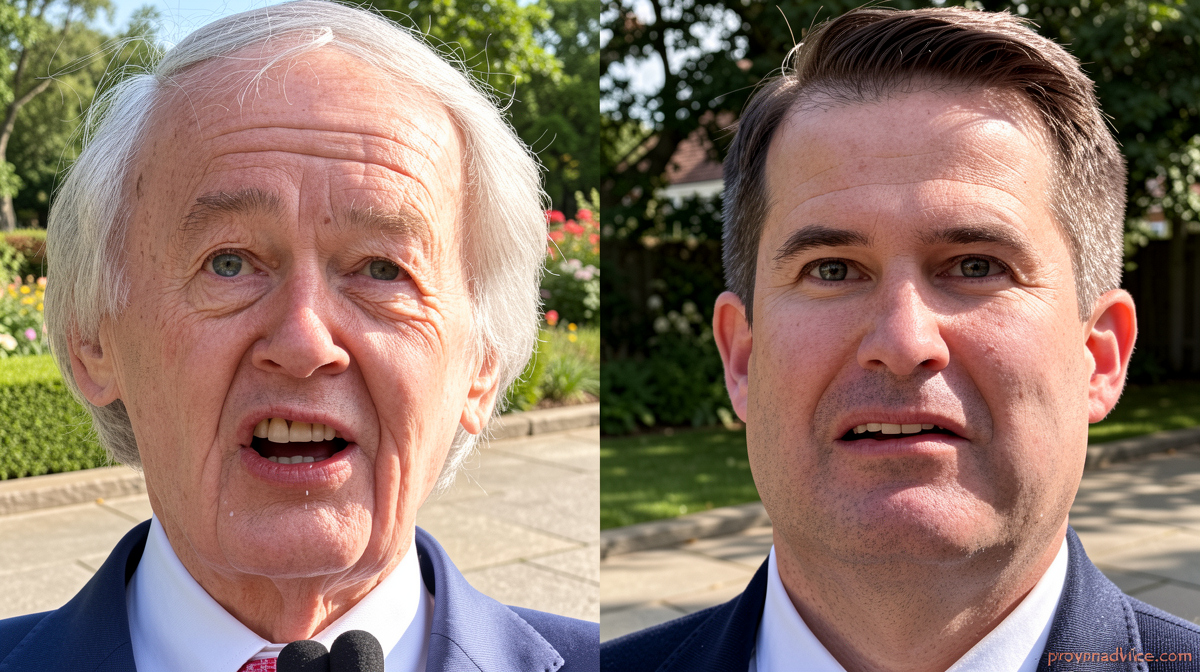
Stevens on fiance voting for Rogers: ‘We’re a household divided’

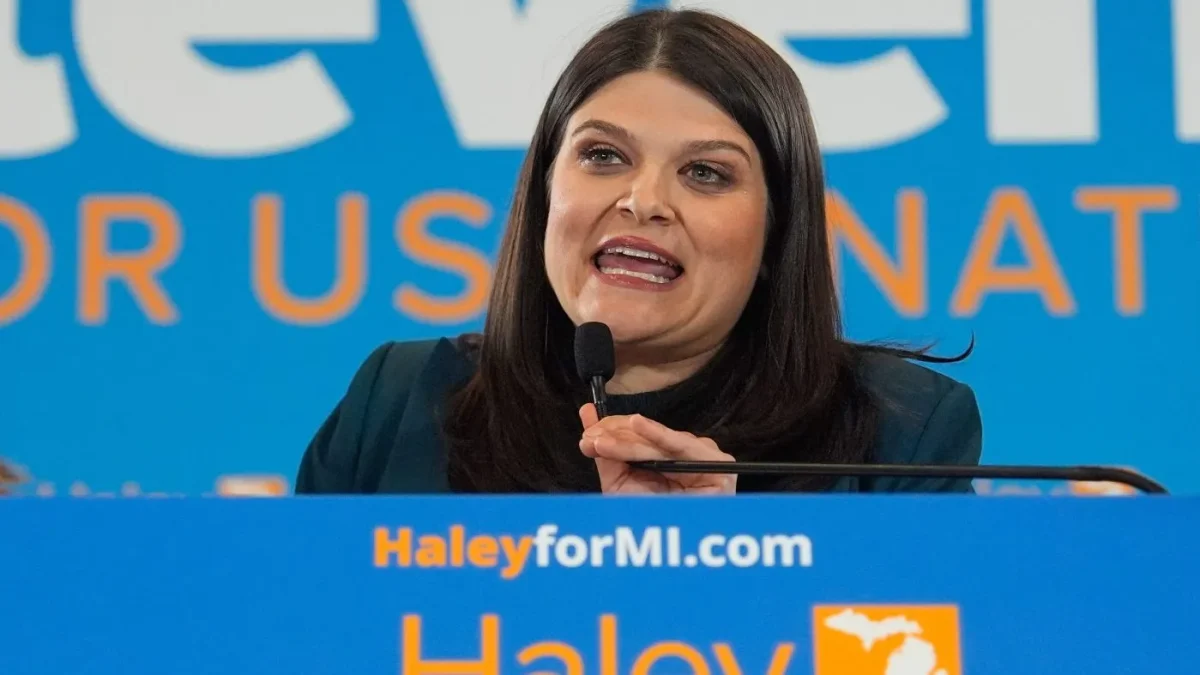
Table of Contents
Stevens Maintains Support for El-Sayed as Senate Race Creates Personal Split
Provpnadvice.com – Michigan’s 2026 Senate contest has produced an unusually personal political divide for Rep. Haley Stevens, who says she remains behind Democratic nominee Abdul El-Sayed even as her fiancé plans to vote for Republican Mike Rogers.
Stevens, a Michigan Democrat who competed against El-Sayed in the party’s August primary, described the disagreement as a reflection of broader divisions among voters.
“Like a lot of households in America, we’re a household divided,” Stevens said. “I still very much want our Democratic nominee, his name is Abdul, to win this race.”
El-Sayed narrowly defeated Stevens in the Democratic primary, and Stevens publicly endorsed him afterward. Her continued support comes despite mounting concerns about rhetoric connected to El-Sayed’s campaign and his positions on Israel’s military actions in Gaza.
The race now places El-Sayed, a progressive Democrat, against Rogers, a former Michigan congressman seeking the Republican nomination’s support in the statewide contest. Michigan is a politically competitive state with voters whose concerns range from economic issues to foreign policy and community safety.
Turkish and Former Stevens Adviser Back Rogers
Jason Turkish, Stevens’s fiancé, and David Kramer, who previously chaired her campaign, have said they will not support El-Sayed. Both instead intend to vote for Rogers, citing statements and advertising they view as antisemitic.
Turkish, a Jewish Democratic donor, said he believed El-Sayed’s language had become more troubling after the primary.
“We have never seen a candidate for U.S. Senate act so recklessly toward the safety of Jews in the community as we have seen from Abdul,” Turkish said.
He also planned to attend a Republican Jewish Coalition event in Birmingham, Michigan, centered on the question of which candidate would better protect Jewish residents. Rogers and Texas Sen. Ted Cruz, a Republican, were featured at the gathering.
The disagreement highlights how the Israel-Gaza war and the politics surrounding it have become a significant pressure point in Democratic campaigns. Candidates have faced scrutiny not only for their own positions, but also for the wording, imagery and associations in campaign messaging.
Ads and Rhetoric Draw Scrutiny
El-Sayed has been criticized over a political advertisement supporting his candidacy that appeared to connect Israel and Jewish people with rising living costs. El-Sayed said that advertisement was not affiliated with his campaign.
Rogers nevertheless accused El-Sayed of employing language that could fuel antisemitism and violence against Jewish people. Michigan Jewish leaders also urged El-Sayed to remove a different advertisement featuring conservative commentator Tucker Carlson, who has a record of antisemitic rhetoric.
Beyond the advertising dispute, El-Sayed has received criticism for repeatedly condemning the Israeli government’s military campaign in Gaza after Hamas attacked Israel on Oct. 7, 2023. Debate over the conflict has created difficult political terrain for candidates seeking to address civilian suffering, U.S. foreign policy, antisemitism and concerns within Jewish and Arab American communities.
Stevens did not withdraw her endorsement, but she acknowledged that the controversy is affecting voters who have not settled on a candidate. Her comments pointed to the challenge facing El-Sayed as the campaign moves beyond a Democratic primary coalition and toward a statewide general-election electorate.
“I will be honest, there are a lot of voters in Michigan … and they are still undecided and they are hurt and they are confused,” Stevens said. “And this is why I think our nominee is in a very strong position to denounce the hateful ads that have hurt people.”
A Call to Reach Undecided Voters
Stevens has not publicly campaigned with El-Sayed in recent months, despite backing him after her primary loss. Still, she framed her message as an appeal for the Democratic nominee to reject hateful messaging and focus on persuading voters who remain uncertain.
“Let’s get these undecided voters over the finish line,” Stevens said. “Let’s make sure that Michigan has the representation it needs in the United States Senate.”
Her position underscores the complicated alliances that can emerge after a contested primary. Stevens is supporting the Democratic nominee while recognizing that members of her own political circle have reached a different conclusion.
For El-Sayed, the coming campaign will require navigating criticism from Jewish leaders, former Democratic allies and Republican opponents while seeking to keep support among progressive voters. For Rogers, those divisions offer an opportunity to argue that he can attract voters dissatisfied with the Democratic nominee’s rhetoric and campaign choices.
As Michigan voters weigh the Senate race, the disputes surrounding campaign advertisements and the war in Gaza are likely to remain central alongside the traditional concerns of representation, affordability and public trust. Stevens’s divided household has become a vivid example of how those national debates are being felt at a deeply personal level in the state.
Related Reading
Frequently Asked Questions
What is Stevens on fiance voting for Rogers?
Stevens on fiance voting for Rogers is the main topic of this guide. The article explains the context, practical details, and next steps readers should understand.
Why does Stevens on fiance voting for Rogers matter?
Stevens on fiance voting for Rogers matters because readers are looking for a useful answer, not just a short summary. Good content should match search intent and help them decide what to do next.