Stephen A. Smith: Democratic socialism won’t ‘sell’ in general election

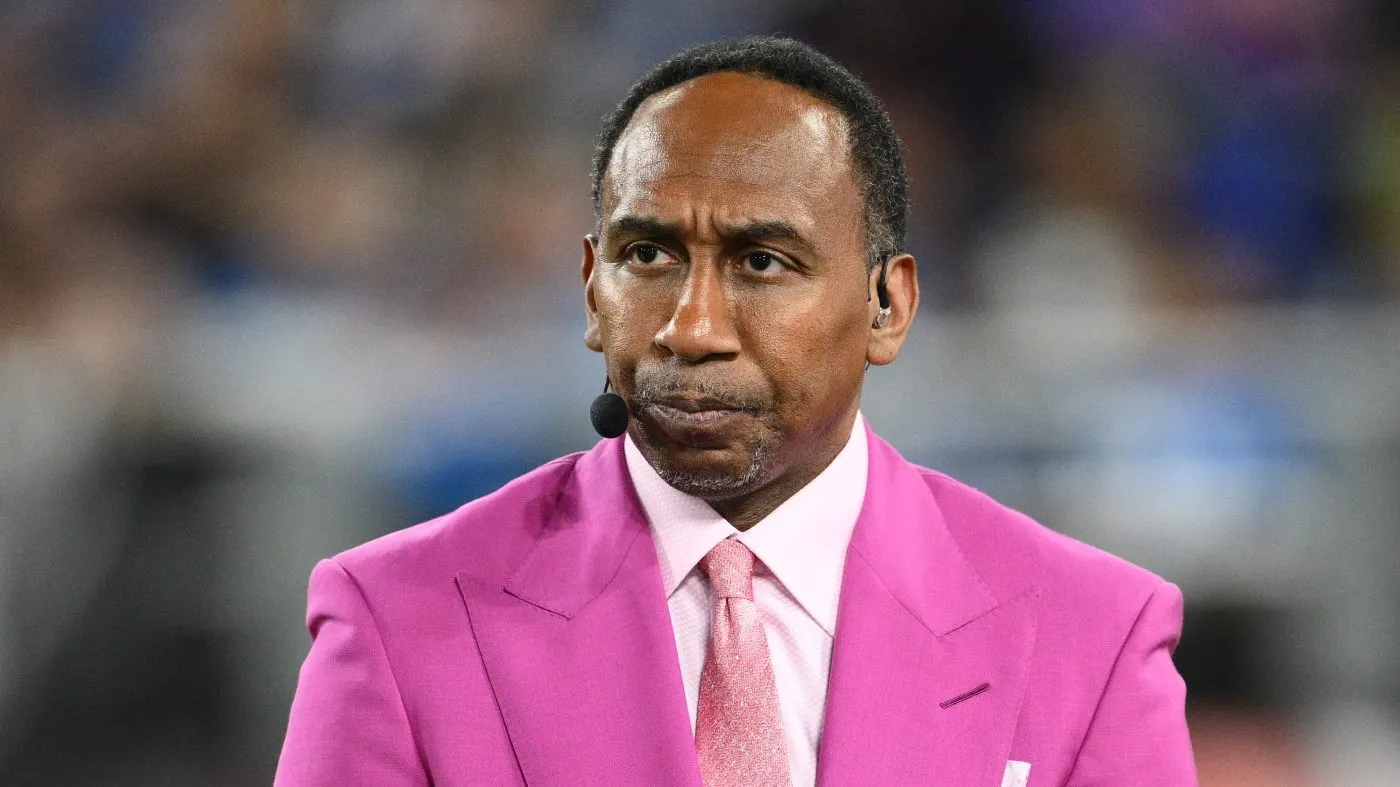
Stephen A. Smith: Democratic Socialism Won’t ‘Sell’ in General Election
Primary Victories Spark Concerns for Democratic Party Unity
Provpnadvice.com – Stephen A. Smith, a prominent figure in both sports and political commentary, has raised alarms about the potential consequences of democratic socialist candidates’ success in primary elections. During an interview with CNN’s Laura Coates on Wednesday, Smith cautioned that the rising influence of these candidates could jeopardize the Democrats’ prospects in the November general election. His warning comes amid a wave of primary victories by progressive Democrats, many of whom are aligned with the Democratic Socialists of America (DSA). According to Smith, the Democratic Party risks fracturing if it fails to consolidate its message and appeal to a broader electorate.
“You can beat Trump. You can beat any of his successors. But in order to do so, you’ll have to come together as a party under one umbrella,” Smith emphasized. He argued that the party must avoid being “at the mercy of those on the extreme left” and instead adopt a more centrist approach to secure victory in the general election. “Socialism, I don’t believe, will work in a general election,” he added, highlighting the need for a balanced platform that resonates with both progressive and moderate voters.
Smith’s concerns are rooted in the recent surge of democratic socialist candidates within the Democratic Party. This election cycle has seen several progressive contenders unseat established Democrats, prompting strategists to question the party’s ability to maintain cohesion. For instance, in Colorado’s Democratic primary, a democratic socialist candidate named Melat Kiros, a 29-year-old Ph.D. student, defeated long-time Representative Diana DeGette in the race for the state’s 1st Congressional District. This outcome followed similar wins by democratic socialist candidates in New York House races, where two contenders secured victories backed by the city’s democratic socialist mayor, Zohran Mamdani.
Kiros’s win has sparked debates about the future of the Democratic Party’s leadership. When asked by Politico about her stance on endorsing House Minority Leader Hakeem Jeffries (D-N.Y.) for the role of minority leader, she clarified her position. “I would not support anyone for leadership who takes corporate PAC money,” she stated, underscoring her commitment to campaign finance reform and holding leaders accountable for their policies. Her remarks reflect a broader push within the DSA to reshape the party’s internal dynamics, advocating for structural changes that prioritize progressive values over traditional political compromises.
Democratic Socialists Push for Institutional Overhaul
The Democratic Socialists of America have been instrumental in driving the push for institutional change, emphasizing policies that align with socialist principles. These include progressive tax reforms, universal healthcare expansion, and increased public investment in education and infrastructure. While these ideas have gained traction among grassroots supporters, they have also drawn criticism from more centrist Democrats who worry about their appeal to the general electorate.
Smith’s argument that socialism may struggle in a general election is supported by the challenges faced by progressive candidates in broader races. Despite their popularity in primary contests, democratic socialists often encounter skepticism from independent voters and Republicans who view their platform as too radical. For example, Republican Representative Lauren Boebert (R-Colo.) has criticized the party’s support for these candidates, claiming it reflects a lack of unity. “They are taking out their own and wanting true socialism, which inevitably will be communism,” Boebert told The Hill’s broadcast partner during an interview. She further suggested that the DSA’s influence might accelerate the adoption of left-leaning policies, even if it alienates key voter blocs.
“These are already the policies that folks like Diana DeGette have been pushing for, but they were not pushing hard enough,” Boebert continued. “And I promise you, this next Congress, they will push harder than ever for these things.” Her comments highlight the tension between progressive factions and party leadership, who must balance the demands of grassroots activists with the need to attract a wider coalition.
While the DSA’s candidates have achieved notable success in primary elections, their impact on the general election remains uncertain. Smith’s warning underscores the importance of a unified message in a national contest, where voters may be more receptive to moderate positions than extreme ones. He pointed to the current political climate, where the Democratic Party must position itself as a viable alternative to the Republican agenda without alienating its base. “You can’t just rely on ideological purity to win,” he said, noting that the party’s ability to appeal to swing voters will determine its fate.
Strategic Implications of Primary Outcomes
The primary victories of democratic socialist candidates have not only challenged existing leaders but also influenced the party’s strategic direction. In Colorado, Kiros’s win signals a shift toward younger, diverse candidates who may prioritize bold policy changes over traditional political tactics. Her campaign, which focused on issues like climate action and healthcare equity, has drawn attention to the growing influence of progressive voices within the party.
However, these gains come with risks. If the party continues to prioritize radical candidates over centrist figures, it could lose support from moderate Democrats and independents who are more likely to vote for a unifying message. Smith argued that the Democratic Party must find a middle ground, ensuring that its platform remains both progressive and pragmatic. “You can’t have a party that’s divided between socialists and centrists,” he said, emphasizing the need for a cohesive strategy that avoids the pitfalls of ideological fragmentation.
The DSA’s influence has also extended to other parts of the country, with progressive candidates in New York House races leveraging the party’s support to challenge incumbents. These victories, combined with Kiros’s win in Colorado, suggest that democratic socialism is gaining momentum within the Democratic Party. Yet, as Smith noted, the party must adapt to ensure these candidates can translate their primary success into broader electoral victories. “You have to be somewhat closer to the center, because socialism, I don’t believe, will work in a general election,” he reiterated, highlighting the importance of a balanced approach.
Republican Criticism and the Battle for Narratives
Republicans, led by President Donald Trump, have seized on the rise of democratic socialist candidates to frame them as a threat to American values. The party has accused these figures of advocating policies that could lead the nation toward communism, a narrative that aims to polarize voters. In particular, Boebert has been vocal about the Democrats’ internal strife, arguing that their support for extreme left candidates is a sign of self-destruction.
“They are taking out their own and wanting true socialism, which inevitably will be communism,” Boebert stated. Her claim reflects a common Republican argument that democratic socialism is too far removed from mainstream American ideals to gain widespread support. While some Democrats may view this as a necessary step toward a more radical future, others see it as a risk to the party’s electoral viability.
Boebert’s remarks also point to the broader ideological divide within the Democratic Party. She suggested that the DSA’s candidates are pushing for policies that have already been advocated by more moderate Democrats but with greater intensity. This could create a dilemma for the party: either embrace the radical shift or risk losing momentum to progressive movements. Smith’s warning aligns with this concern, warning that the Democratic Party must avoid becoming a “battlefield for the left” and instead focus on crafting a message that resonates with all Americans.
As the general election approaches, the Democratic Party faces a critical juncture. The success of democratic socialist candidates in primaries has forced the party to reconsider its priorities and strategies. While these victories may signal a stronger commitment to progressive causes, they also highlight the need for careful messaging to avoid losing the middle ground. Smith’s argument that socialism may not “sell” in the general election is a reminder that the Democratic Party must balance ideological passion with electoral pragmatism. “You can’t win an election on a single issue,” he said, stressing the importance of a multifaceted platform that appeals to a diverse range of voters.
Looking Ahead: A Test for Democratic Unity
The upcoming general election will serve as a litmus test for the Democratic Party’s ability to unite behind a common agenda. With primary victories by democratic socialist candidates, the party must now navigate the challenge of maintaining its progressive identity while appealing to a broader electorate. Smith’s warning about the risks of ideological fragmentation is particularly relevant in this context, as the party seeks to counter the Trump administration’s policies without alienating its base.
While the DSA’s candidates have demonstrated strong grassroots support, their ability to translate that into general election wins remains uncertain. The key will be whether the party can present a message that incorporates progressive values without appearing too extreme. For instance, Kiros’s campaign, which blends socialist principles with pragmatic policies, may offer a model for how the party can balance bold ideas with electoral appeal. “You have to be somewhat closer to the center,” Smith said, adding that this shift could be crucial for the Democrats’ success in November.
As the political landscape continues to evolve, the Democratic Party must address the concerns raised by figures like Smith and