Ramaswamy takes responsibility for attack ad featuring Acton’s estranged mother

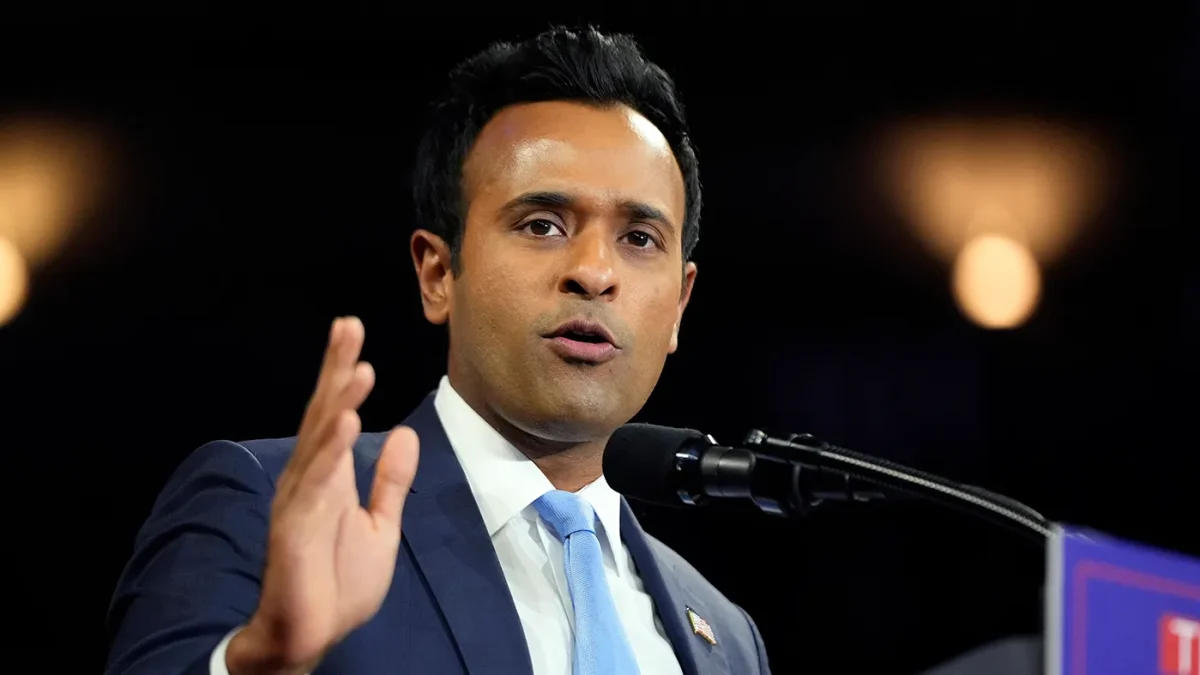
Table of Contents
Ramaswamy campaign stands behind ad using Amy Acton’s estranged mother
Provpnadvice.com – Ohio’s gubernatorial contest has taken a sharply personal turn after Republican candidate Vivek Ramaswamy confirmed that his campaign created an attack advertisement featuring the estranged biological mother of Democratic candidate Amy Acton.
The one-minute advertisement began spreading on social media Monday night. It includes comments from Donna Arthur, Acton’s biological mother, who has been estranged from her daughter following allegations involving sexual abuse during Acton’s childhood. The campaign plans to run the advertisement online and on television as Election Day approaches.
A campaign representative said Arthur was not paid to appear in the spot. The campaign is spending $4 million to air the ad across Ohio, a significant investment that signals Ramaswamy’s decision to continue promoting the message despite criticism from Democrats and some Republicans.
A deeply personal campaign message
In the advertisement, Arthur challenges Acton’s descriptions of her upbringing and urges voters not to support her daughter’s candidacy. Her remarks focus on claims Acton has made about her childhood and her criticism of Ramaswamy.
“I love my daughter, but when I saw her lying about her opponent — it is not easy for a mother to say this, but Amy has a serious problem. She is a liar,”
Arthur also disputes Acton’s account that she grew up in a tent.
“She lies about her past. She says she grew up living in a tent. None of that is true,”
The advertisement concludes with Arthur warning voters against electing Acton.
“Don’t let her become your governor. If you think she’ll make your life better, you’re fooling yourself.”
The use of a close family member in a statewide political ad has intensified attention on the candidates’ campaign tactics. Personal history can be powerful in an election message, but it can also raise questions about privacy, trauma and whether painful family conflicts should become part of a public contest for office.
Acton and her brother respond
Acton criticized Ramaswamy’s approach, saying it fits what she described as a lifelong pattern of directing personal attacks at political opponents. Her brother, Philip Stearns, also denounced the campaign’s decision to feature their mother.
Acton has publicly discussed experiencing neglect and sexual abuse as a child. She has accused her stepfather of molesting her. Court records show he was charged with sexually abusing Acton when she was 12 years old.
Stearns said that he and Acton were removed from their mother’s custody after their stepfather was arrested. He argued that the advertisement turns a traumatic part of his sister’s life into campaign material.
“It’s not surprising that Vivek Ramaswamy has stooped to such a despicable low as to attempt to turn the sexual abuse Amy endured at twelve years old from our birth mother’s husband into a political talking point,”
He added that their mother remained married to Acton’s alleged rapist until his death, calling the advertisement a desperate move in a close race for governor.
“Our birth mother stayed married to Amy’s rapist until he died,”
The disagreement reflects more than a dispute over a single television commercial. It places competing family accounts at the center of a campaign in which both candidates are seeking to persuade Ohio voters that they are prepared to lead the state.
What the ad means for the race
Political advertising often emphasizes a rival’s record, policy positions or public statements. This ad instead relies on a family conflict and competing recollections of Acton’s past. That distinction has made it especially controversial, particularly because the claims arise alongside allegations of childhood abuse.
Ramaswamy’s campaign has accepted responsibility for producing the spot and is expanding its reach rather than pulling it back. The statewide television and online rollout means voters are likely to see the dispute repeatedly in the closing stretch of the election.
For Acton, the ad creates a difficult challenge: responding forcefully to allegations from an estranged parent while keeping the focus on her campaign and the broader issues facing Ohio. For Ramaswamy, the large advertising investment makes the message a clear test of whether voters view it as a persuasive critique or an unacceptable personal attack.
The episode also illustrates how modern statewide campaigns can move quickly from social-media circulation to expensive broadcast placement. Once an advertisement becomes a central subject of public discussion, its effect can extend beyond the claims made in the spot itself, shaping perceptions of the candidates’ judgment, tone and campaign strategy.
As Election Day nears, the controversy is likely to remain part of the Ohio governor’s race. The candidates now face not only a contest over their vision for the state, but a public argument about the limits of political messaging when family trauma is involved.
Related Reading
Frequently Asked Questions
What is Ramaswamy takes responsibility for attack ad featuring?
Ramaswamy takes responsibility for attack ad featuring is the main topic of this guide. The article explains the context, practical details, and next steps readers should understand.
Why does Ramaswamy takes responsibility for attack ad featuring matter?
Ramaswamy takes responsibility for attack ad featuring matters because readers are looking for a useful answer, not just a short summary. Good content should match search intent and help them decide what to do next.