Melat Kiros: ‘I’m not supporting anyone for leadership who takes corporate PAC money’


Melat Kiros: No Leadership Support for Those Taking Corporate PAC Funds
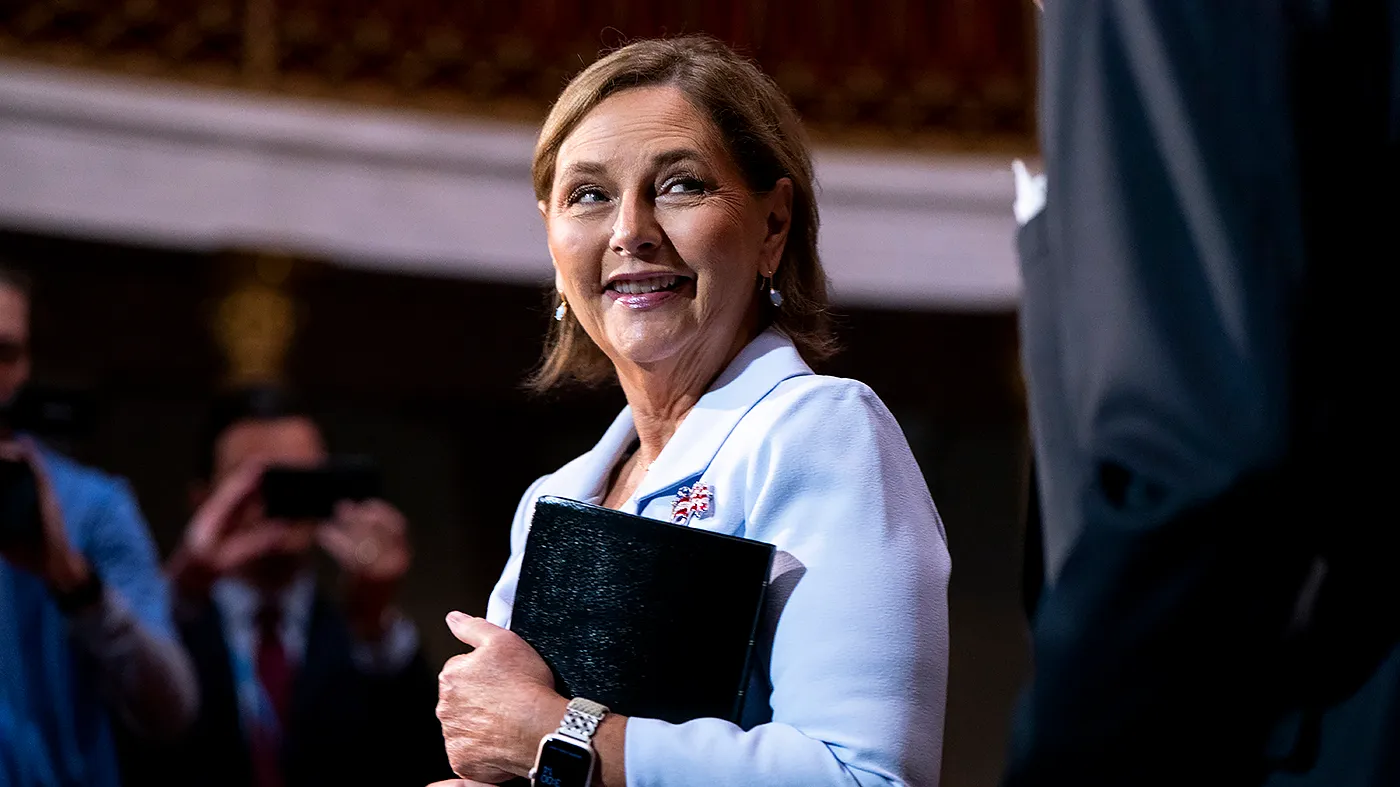
Provpnadvice.com – Melat Kiros, the Democratic primary winner in Colorado’s 1st Congressional District, has announced she will not support any congressional leaders who accept corporate political action committee (PAC) funding. Her commitment to accountability and transparency in politics marks a significant shift in the Democratic Party’s approach to campaign finance. The 29-year-old democratic socialist’s victory reflects a growing preference among voters for candidates who challenge the influence of big money in shaping legislative agendas.
A New Era of Progressive Leadership
Kiros’s campaign, centered on dismantling corporate PAC power, resonates with a broader movement within the Democratic Party. Her win over longtime Representative Diana DeGette highlights a surge in support for younger, more ideologically driven politicians who prioritize grassroots efforts over traditional fundraising. This trend signals a realignment in the party’s priorities, with voters increasingly demanding candidates who align with their values rather than corporate interests.
Speaking to
Politico’s Will Steakin
after her victory, Kiros reiterated her stance on campaign finance reform. “We need to root out corruption and get money out of our politics,” she stated. “Leaders who accept PAC money are standing in the way of progress.” This message, often echoed by figures like Senator Bernie Sanders and Mayor Zohran Mamdani, has gained traction as a key demand in modern Democratic campaigns. Kiros’s platform emphasizes holding leaders accountable for their financial decisions, distinguishing her from more centrist Democrats.
Challenging the Status Quo
Kiros’s declaration aligns her with a faction of Democrats advocating for systemic change in how political funds are allocated. This group has consistently criticized corporate PACs for swaying policy decisions toward donor interests. The growing discontent with the current system has led to increased support for candidates who reject big money in politics, as seen in recent victories across the country. “Americans are tired of status quo politics,” said Sanders in a recent social media post, highlighting Kiros’s win as a sign of a larger shift.
Kiros’s campaign has drawn backing from progressive leaders, including Mamdani, who supported democratic socialist candidates in New York. These successes demonstrate that candidates with strong anti-corporate PAC messages can gain momentum in traditionally Democratic districts. Her focus on disentangling the party from corporate PAC influence extends beyond individual leaders, as she calls for institutional reforms to limit the sway of special interests. “We must set a standard for leadership,” she said in an interview with
The Hill’s Drew Petrimoulx
, underscoring her vision for a more transparent political system.
Broader Implications for the Democratic Party
Kiros’s win signals a generational shift in the Democratic Party, where younger candidates are challenging older, more establishment-aligned figures. This trend is evident in the recent successes of democratic socialist candidates in New York, where Mamdani’s endorsements helped oust incumbents in favor of progressive alternatives. The emphasis on rejecting corporate PAC funds has become a defining characteristic of this new wave of leadership, as it reflects a commitment to fairness and public service over financial loyalty.
As the November general election approaches, Kiros’s position on PAC money may influence the broader Democratic strategy. While some leaders may still rely on corporate donations, her clear stance sets a precedent for holding them to higher standards. The candidate’s ability to connect with voters who are disillusioned with the current political landscape could position her as a key figure in reshaping the party’s identity. “We are rewriting the rules of leadership,” she asserted, aiming to redefine what it means to serve the public interest in a time of increasing political polarization.