IRS did better than expected on refunds despite job cuts: Watchdog

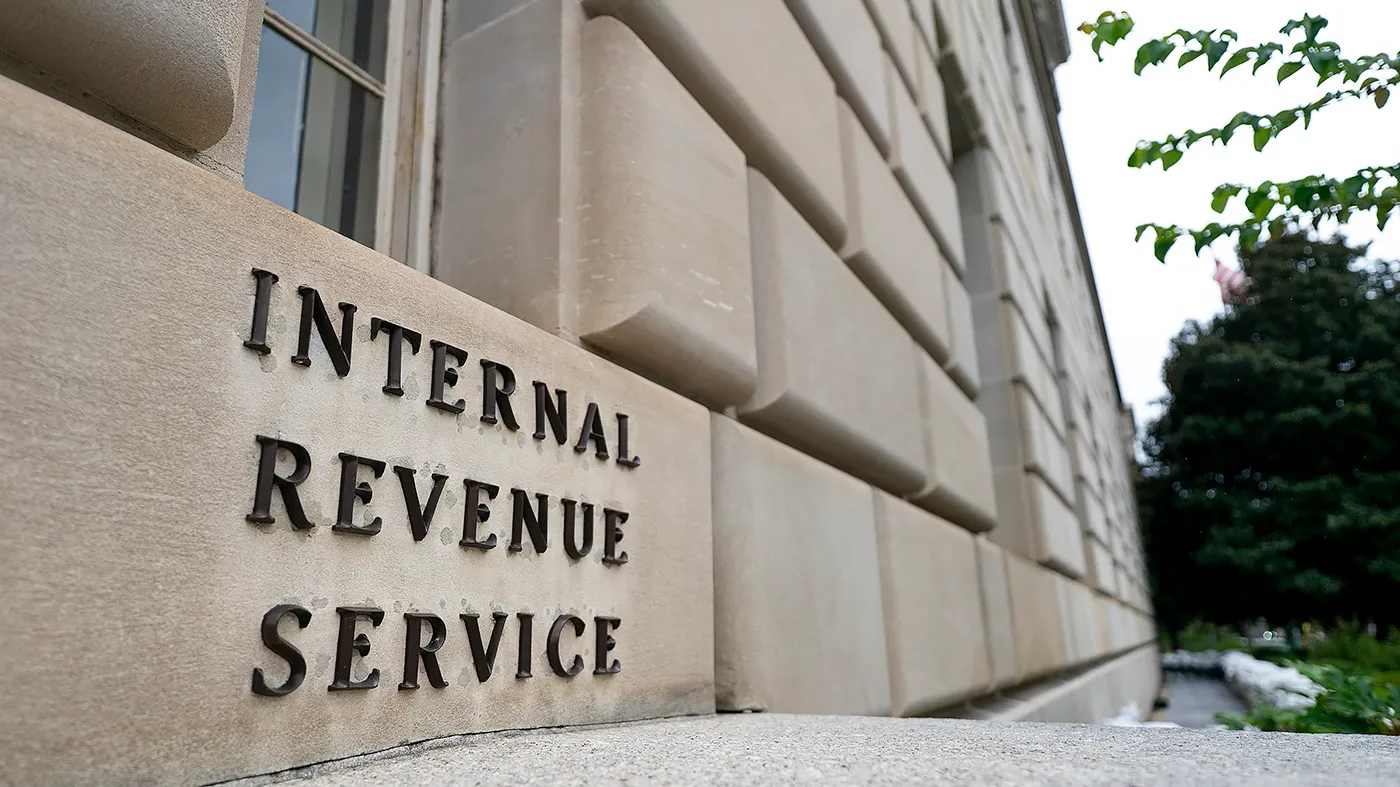
IRS Exceeds Expectations in Refund Processing Amid Workforce Challenges
Provpnadvice.com – The Internal Revenue Service (IRS) has demonstrated stronger performance in refund processing than anticipated during the 2026 tax filing season, according to Erin Collins, the agency’s national taxpayer advocate. Her report, shared with Congress, highlights that the majority of taxpayers managed to file their returns and receive refunds without major delays, despite facing a combination of significant hurdles.
Operational Resilience in the Face of Challenges
Collins outlined that the IRS encountered a convergence of obstacles at the start of the 2026 filing season, including the rollout of new tax legislation, a substantial reduction in staff, and frequent changes in leadership. However, she noted that the agency not only maintained its functionality but also outperformed projections in several key areas. “The IRS showed remarkable adaptability,” Collins stated, emphasizing that the service’s performance was “better than expected” overall.
“Entering the 2026 filing season, there was considerable uncertainty about the IRS’s ability to manage the challenges of new legislation, staff cuts, and leadership turnover. Yet, the agency delivered refunds efficiently, proving its capacity to navigate these difficulties.”
The report revealed that the IRS processed nearly 139 million individual tax returns during the period, with over 90 million refunds issued. This figure surpassed initial concerns about the service’s ability to handle the volume, especially with a reduced workforce. Collins attributed much of the success to the IRS’s ongoing improvements in technology and streamlined processes.
Workforce Reductions and Their Impact
In January, Collins had warned that the IRS’s decision to cut more than 27 percent of its workforce over the previous year could create bottlenecks during the filing season. At that time, the agency had over 102,000 employees, but by December, the number had dropped below 75,000. This reduction followed the Department of Government Efficiency’s efforts to streamline operations during the early stages of the second Trump administration, led by Elon Musk.
Collins pointed out that the staff cuts were accompanied by a shift in the experience level of customer service personnel. By December, the IRS had 22 percent fewer customer service employees compared to January 2025, with many new hires lacking the seasoned expertise of those who left. This transition, she noted, added complexity to handling taxpayer inquiries and resolving issues efficiently.
Refund Delivery and Technological Progress
Collins highlighted the IRS’s success in implementing the One Big Beautiful Bill Act, which President Trump signed into law in July 2025. This law introduced multiple new deduction opportunities for taxpayers, yet its integration into the system was initially expected to cause problems. The report confirmed, however, that the IRS successfully adapted to these changes, ensuring minimal disruption to the refund process.
“The IRS implemented the new provisions of the One Big Beautiful Bill Act effectively, showing its ability to manage complex legislative updates while maintaining service levels.”
One of the report’s notable findings was the IRS’s use of direct deposit for 98 percent of refunds, which reduced the time it took for most taxpayers to receive their money. Collins also praised the agency’s technological advancements, particularly the “Where’s My Refund” tracker, which has become a critical tool for improving transparency and minimizing the need for direct assistance from the IRS.
Financial Disruptions and Persistent Issues
Despite the positive outcomes, Collins acknowledged that the filing season was still marked by frustration and confusion for millions of taxpayers. She noted that the average wait time for customer service was 14 minutes, an increase of six minutes compared to the previous year. This rise occurred even as the total number of calls to the IRS decreased by roughly 2.1 million.
Additional challenges included delays in paper check refunds and extended wait times for low- and middle-income taxpayers due to identity theft issues. These problems underscored the need for continued improvements in the IRS’s ability to address individual needs, especially as it transitions toward a more digital infrastructure.
Key Takeaways and Recommendations
Collins emphasized that while the IRS’s performance was commendable, the agency must prioritize preserving access to traditional support channels like telephone assistance and in-person services. “As the IRS continues to modernize, it must ensure that taxpayers can still rely on clear communication and effective problem resolution,” she wrote. The report also stressed the importance of maintaining public trust in the tax system by upholding fairness and transparency in all interactions.
“Taxpayers need to understand their obligations, receive help when necessary, and believe they will be treated equitably when issues arise. These principles are foundational to a reliable and trusted tax system.”
The average refund amount for the 2026 season was reported at $3,275, a slight increase from the $3,230 average in 2025. Collins explained that direct deposit recipients typically see higher amounts due to fewer processing fees. However, she warned that the rise in average wait times and persistent issues with paper checks could still affect some taxpayers’ financial planning.
Looking ahead, Collins urged the IRS to balance efficiency with accessibility. She highlighted that the agency’s ability to maintain high performance despite significant changes in staffing and leadership was a sign of resilience, but continued investment in training and support systems remains essential. “The IRS has shown progress, but its journey toward full operational efficiency is far from complete,” she concluded.
The report serves as a reminder of the complexities inherent in managing a large-scale government operation, especially during periods of rapid change. While the IRS has managed to deliver most refunds on time, the challenges it faced this year provide valuable insights for future improvements. By addressing gaps in customer service and ensuring equitable access to resources, the agency can build on its successes and better serve the public in the coming years.