Trump says he ended Biden electric vehicle rule, updated fuel economy standards

Table of Contents
Trump Says He Ended Biden EV Rule, Revises Fuel Standards
Provpnadvice.com – Trump says he ended Biden-era electric vehicle policy while announcing revised federal fuel economy standards for automakers. The president described the move as a step toward giving manufacturers more flexibility and reducing the cost of new vehicles for American buyers.
The action reverses a 2024 rule intended to accelerate the transition from gasoline-powered vehicles. That policy established fleet pollution requirements designed to encourage carmakers to expand their offerings of electric vehicles and other lower-emission models.
In a Truth Social post, Trump called the announcement a “BIG DAY FOR AMERICAN AUTO WORKERS AND CAR BUYERS!” He argued that the new standards would reduce unnecessary costs in domestic vehicle production.
“These new Standards will take the waste out of building cars in America,” Trump wrote.
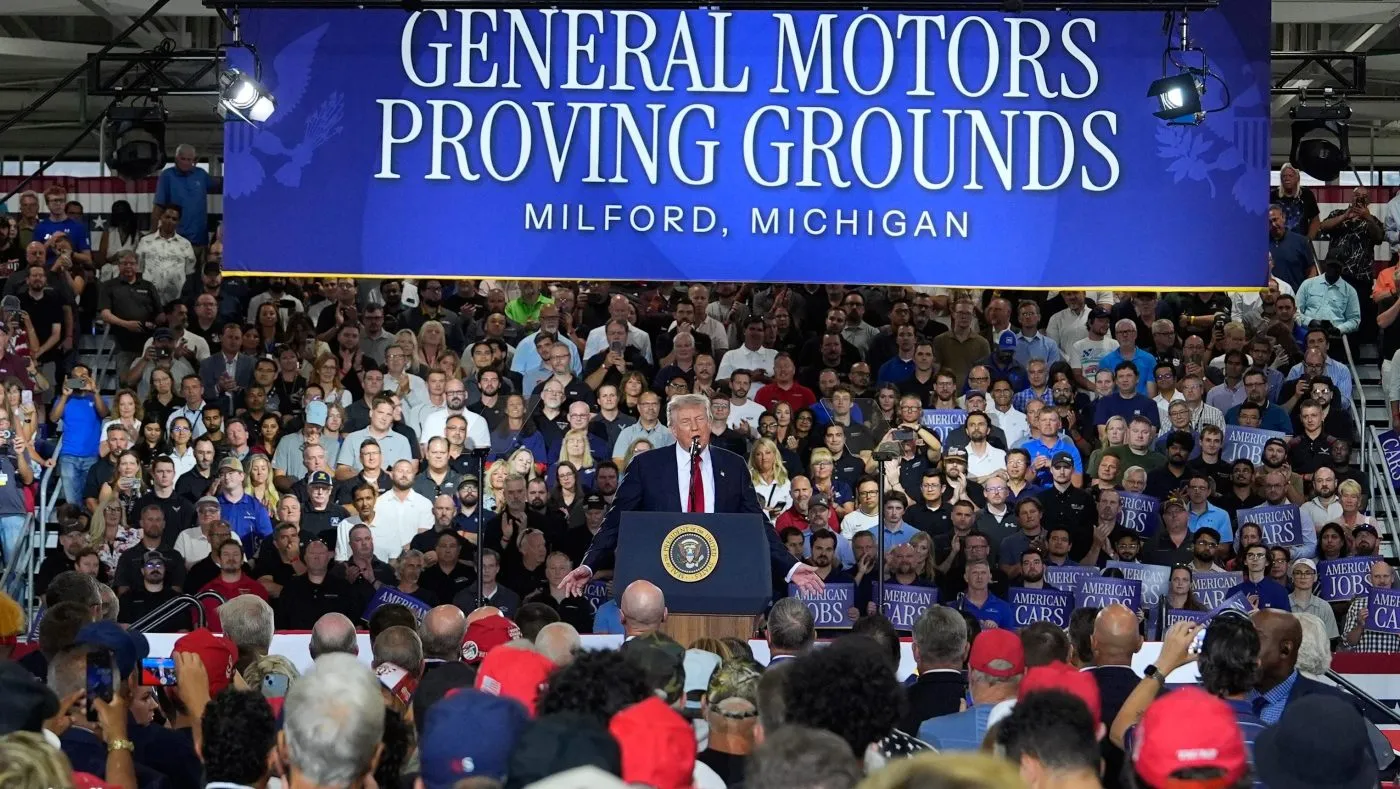
Trump also said the revised approach could lower the purchase price of new cars and give automakers more freedom to respond to consumer demand. He said manufacturers, including General Motors, Ford and Stellantis, want to build vehicles in the United States.
“That means LOWER PRICES, saving families thousands on a new, beautiful, and safe car,” Trump wrote.
A Broader Shift in Transportation Policy
Trump says he ended Biden policies that sought to reduce greenhouse gas emissions and limit dependence on fossil fuels. Vehicle rules are a major part of that policy debate because they affect manufacturing investment, fuel use, consumer costs and air quality.
Supporters of stricter emissions standards say the rules encourage automakers to improve efficiency and develop more electric and hybrid vehicles. Critics contend that ambitious federal requirements can increase production costs, limit consumer choice and make compliance difficult for manufacturers.
Fuel economy and vehicle-pollution standards can shape the models companies design and sell over time. Automakers must balance federal requirements with demand for pickups, sport utility vehicles, sedans, hybrids and battery-electric vehicles.
The announcement came less than six weeks before the midterm elections, as Republicans seek to maintain control of Congress and voters weigh concerns about fuel prices and other household expenses.
Environmental Groups Warn of Higher Driving Costs
The Sierra Club criticized the rollback, arguing that weaker fuel-efficiency standards could make driving more expensive over the life of a vehicle. Katherine García, director of the group’s Clean Transportation for All campaign, said the organization would oppose the administration’s action.
“Families already cannot afford the basics, and now Donald Trump wants to make driving more expensive too,” García said.
Environmental advocates argue that vehicles with lower fuel efficiency require more gasoline, increasing the amount drivers spend at the pump. They also warn that burning more fuel can worsen local air pollution.
“Less fuel-efficient cars mean more gas burned, spending more at the pump, and dirtier air in our communities,” García said.
The dispute highlights competing views of the new standards. Trump has emphasized possible savings at the dealership and reduced regulatory burdens for manufacturers, while environmental groups argue that fuel spending and pollution-related effects are also important parts of vehicle ownership costs.
Buttigieg Objects to the Rollback
Former Transportation Secretary Pete Buttigieg also criticized the decision on social media. He linked the policy change to concerns about U.S. manufacturing jobs and competition with China in clean technology.
Buttigieg argued that lowering standards would weaken the country’s position in the growing market for cleaner transportation. His comments reflected a broader disagreement over whether looser federal rules will strengthen the auto industry or leave it less prepared for long-term changes in global vehicle production.
What the New Standards Could Mean for Car Buyers
For American car buyers, the practical impact may depend on the vehicles manufacturers choose to produce and how they price them. Lower regulatory requirements could affect the range of gasoline, hybrid and electric models available in future model years.
Drivers comparing vehicles should consider more than the sticker price. Fuel economy, expected gasoline costs, maintenance, financing and resale value can all affect the overall cost of owning a vehicle in the United States.
FAQ
What does Trump say he ended Biden policy on electric vehicles mean?
Trump says he ended Biden-era vehicle policy that used federal pollution requirements to encourage a faster shift toward electric and other lower-emission vehicles.
Will the new standards eliminate electric vehicles from U.S. dealerships?
No. Automakers may still build and sell electric vehicles, hybrids and gasoline-powered cars. The policy change affects federal standards rather than requiring companies to stop offering EVs.
Could the change affect gasoline costs for drivers?
Environmental groups say less fuel-efficient vehicles can lead to higher lifetime gasoline spending. The final effect for an individual driver will depend on the vehicle purchased, miles driven and local fuel prices.