Trump on Iran talks: ‘I don’t know who the hell we’re negotiating with’

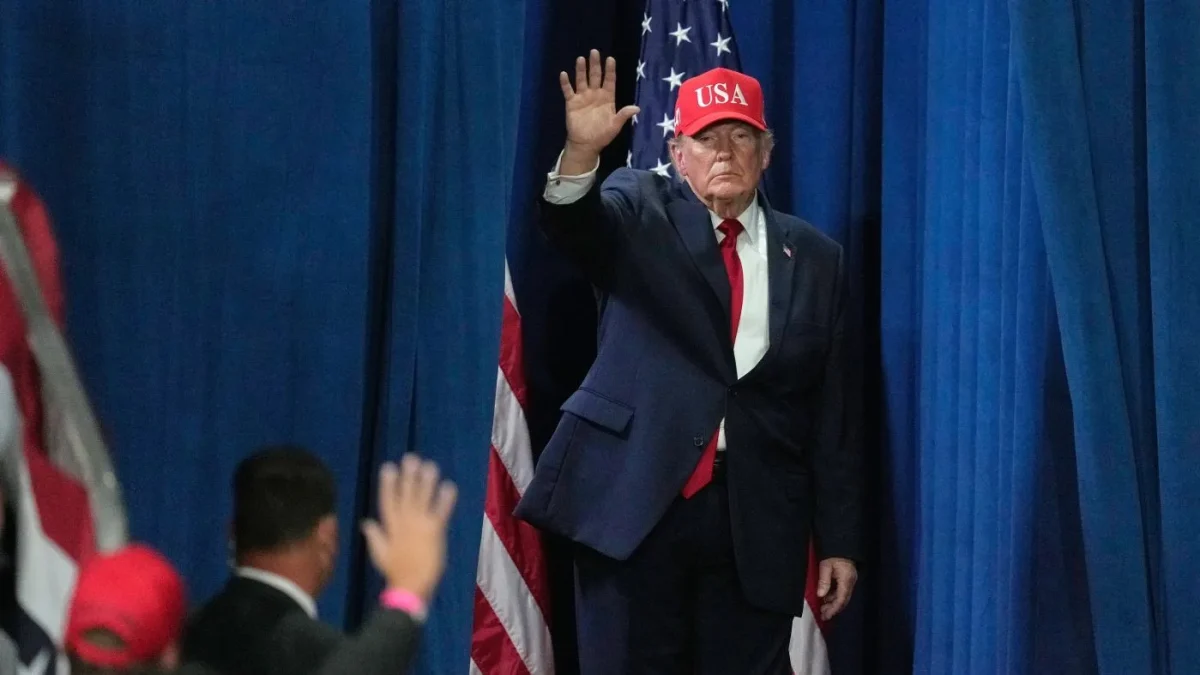
Table of Contents
Trump Questions Who Is Speaking for Iran as War Diplomacy Stalls
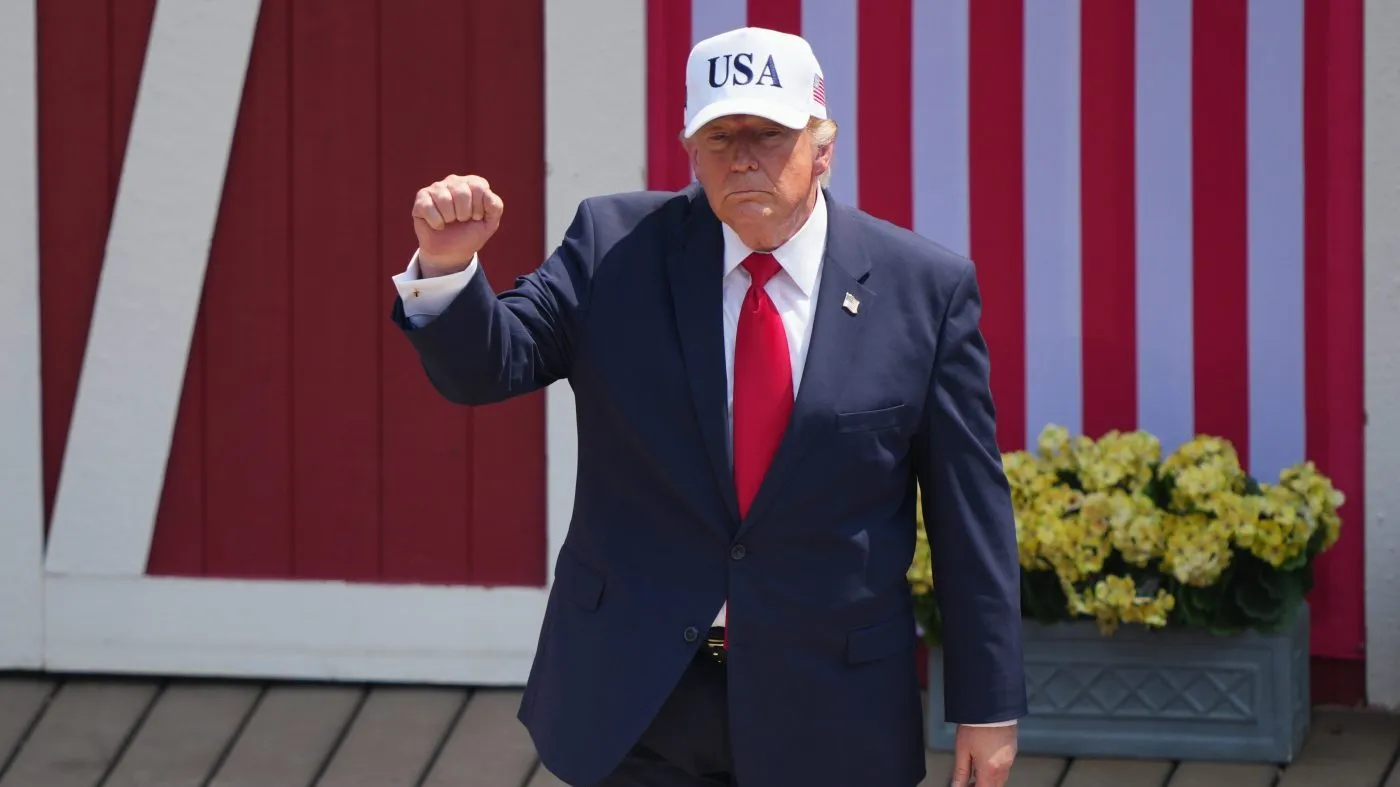
Provpnadvice.com – President Trump used a campaign rally in Montana on Wednesday night to voice frustration over the uncertainty surrounding U.S. efforts to negotiate an end to the war with Iran, saying the scale of Iran’s military losses has complicated the search for a clear negotiating partner.
Speaking before supporters in the Treasure State, Trump described an Iranian military that he said had been severely weakened during the conflict, which is approaching its eighth month. He argued that the country’s remaining leadership structure has become unclear as diplomatic discussions remain stuck.
“They don’t have a navy. They don’t have an air force. Their army is decimated. Their leaders are gone,” Trump said. “I should have probably left their leaders because I don’t know who the hell we’re negotiating with.”
The remarks underscored the difficult balance facing the administration: pursuing military pressure against Iran while also trying to establish terms for a possible diplomatic resolution. With talks showing little recent movement, U.S. officials have offered cautious assessments of how and when the conflict might conclude.
War becomes a political challenge before midterms
Trump’s Montana appearance was also part of the developing campaign for the November midterm elections. He traveled to support Republican Aaron Flint, who is seeking the House seat being vacated by retiring Rep. Ryan Zinke, a Montana Republican. Flint is set to face Democrat Sam Forstag in the general election.
The conflict with Iran has become a complicated issue for Republicans as the election season intensifies. The war has added pressure to the global economy and contributed to higher fuel costs for U.S. consumers. Rising prices have increasingly become part of the domestic political debate, with many Americans directing criticism at the president’s policies.
For voters, the dispute extends beyond foreign policy headlines. Fuel prices can influence household budgets, transportation costs and the price of goods that depend on shipping. The longer the conflict persists, the more difficult it may become for the administration to separate international military developments from concerns about everyday economic conditions.
Trump’s comments suggested that the administration sees Iran’s internal leadership situation as a central obstacle to progress. Negotiations generally depend on knowing which officials can make commitments and ensure that those commitments will be carried out. If the leadership structure is unstable or disputed, even preliminary diplomatic contacts can be difficult to turn into a durable agreement.
Officials offer guarded outlook on negotiations
Recent statements from senior administration officials have reflected the same uncertainty. Treasury Secretary Scott Bessent, appearing on Fox News with Rachel Campos Duffy on Sunday, said he could not predict the conflict’s conclusion.
“I don’t know how this ends. You never know how this ends,” Bessent said.
Efforts to revive talks have faltered in recent weeks. Discussions held during the United Nations General Assembly late last month did not produce a breakthrough. After those unsuccessful meetings, Secretary of State Marco Rubio said the Iranian delegation had “overstayed” its welcome and directed its members to depart the United States.
The diplomatic impasse has left open major questions about the conditions required for meaningful negotiations. Public comments from the administration have made clear that Iran’s nuclear activities remain a key concern. Vice President Vance said earlier this month that Iranian leaders would need to take concrete steps if they wanted to demonstrate that they were not pursuing a nuclear weapon.
“I think if they want to show a commitment to not building a nuclear weapon, they would do something meaningful on their enrichment capacity,” Vance told Reuters.
Vance emphasized that Washington would not treat verbal assurances as sufficient. His remarks outlined an approach in which measurable actions by Iran would be expected in return for steps by the United States.
“In other words, the United States is not going to do things for mere promise of actions on the Iranian side. We need to trade actions for actions here, and we’ll see what the Iranians do,” he later added.
Pressure for a path forward
Those statements point to the difficult choices ahead for the administration. U.S. officials are seeking evidence of changes to Iran’s enrichment capacity, while the broader war continues to carry military, diplomatic and economic consequences. A possible agreement would require more than an exchange of public statements; it would depend on credible commitments, identifiable representatives and a workable process for carrying out any terms reached.
Trump’s Montana rally comments showed that those conditions have yet to come together. His concern was not simply whether talks could resume, but whether there is a stable Iranian authority capable of participating in them. That question now sits at the center of a conflict that has already lasted for months and is increasingly shaping both foreign-policy calculations and the political environment at home.
Related Reading
Frequently Asked Questions
What is Trump on Iran talks?
Trump on Iran talks is the main topic of this guide. The article explains the context, practical details, and next steps readers should understand.
Why does Trump on Iran talks matter?
Trump on Iran talks matters because readers are looking for a useful answer, not just a short summary. Good content should match search intent and help them decide what to do next.