Trump administration proposes major 2030 census changes: What to know


Table of Contents
Trump Administration Floats Sweeping Changes for the 2030 Census
Provpnadvice.com – The Trump administration has opened the door to major changes in how the United States could conduct the 2030 census, proposing rules that would limit who is included in the national population count and remove questions about race and ethnicity.
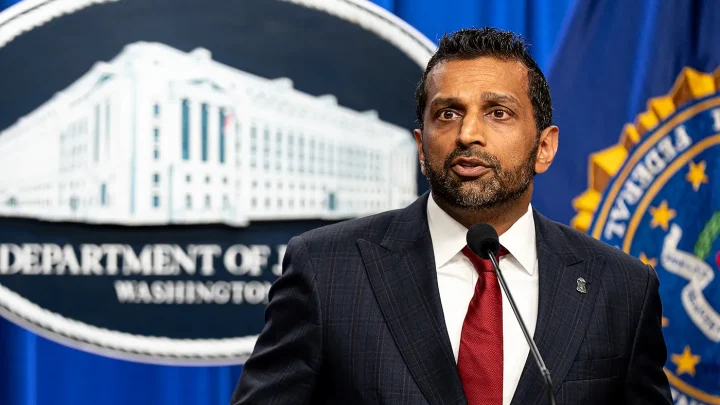
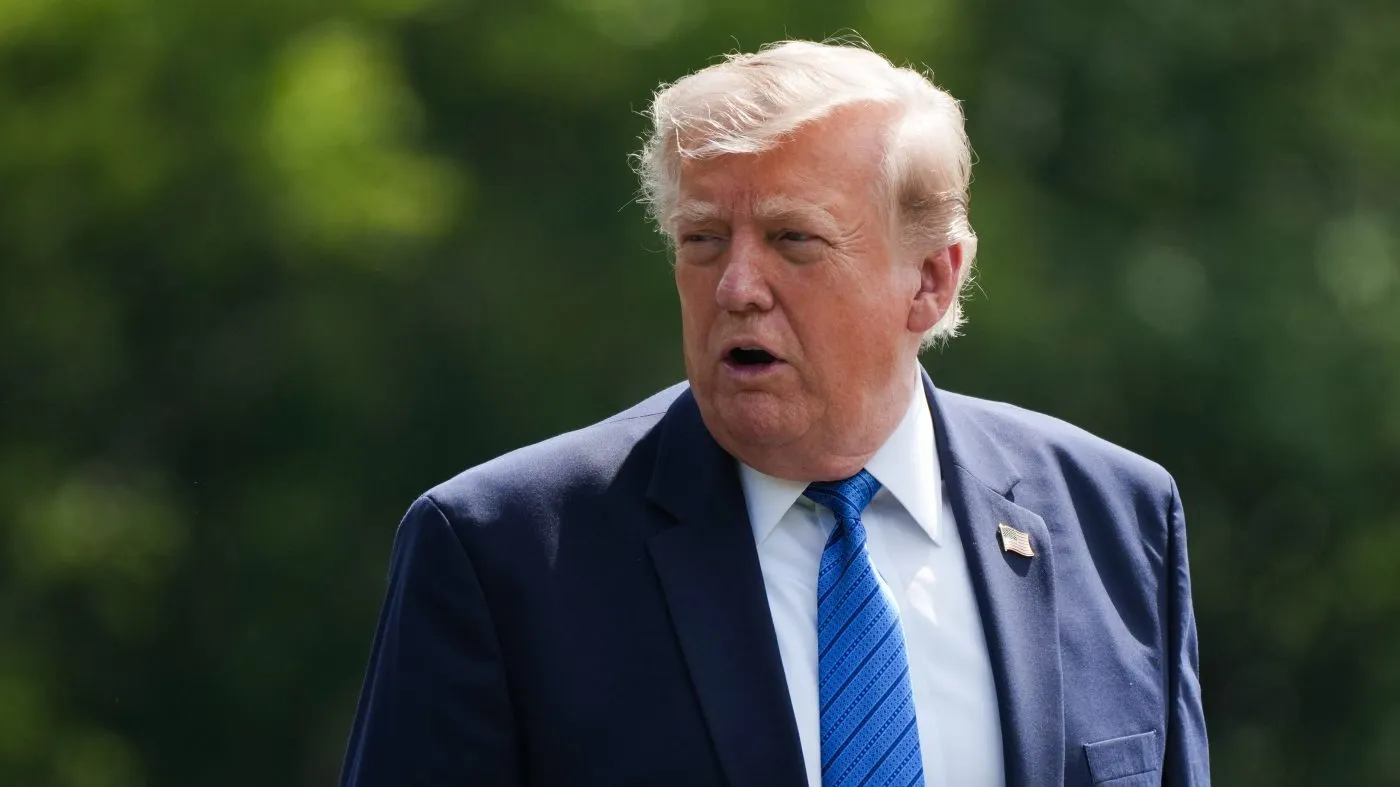
The Census Bureau published the proposal online Wednesday after President Trump directed the Commerce Department, which oversees the bureau, to develop a census approach that would exclude people who entered the country illegally from the total population count. The plan would affect a process that shapes representation in Congress, redistricting and the allocation of federal resources every decade.
A narrower definition of who is counted
At the center of the proposal is a revised definition of “usual residence,” the standard the Census Bureau has traditionally used to determine where a person should be counted. Census counts have generally focused on residence rather than a person’s citizenship or immigration status.
The new approach would exclude immigrants living in the country unlawfully. It could also leave out certain people who are legally present in the United States on temporary statuses, particularly if their permission to remain is considered less lasting or indefinite than lawful permanent resident status, commonly known as holding a green card.
The administration’s legal argument rests on its reading of the Constitution’s apportionment language. The 14th Amendment requires House seats to be divided among the states by counting the whole number of persons in each state. The administration contends that people residing in the United States unlawfully are not included in its interpretation of the word “persons.”
“their lack of a sufficient tie and allegiance”
That phrase was used to explain why immigrants living in the country illegally should not be included in the count. The proposal raises significant questions because the census has long been designed as a count of residents, not solely citizens or permanent residents.
Why the census count carries political weight
The once-a-decade census has consequences far beyond a demographic snapshot. Its results determine how all 435 seats in the House of Representatives are apportioned among the states. A state’s population total can affect whether it gains, loses or retains congressional representation after a census.
Population figures also play a central role in drawing congressional and state legislative district lines. States use the data during redistricting, the process of adjusting political boundaries after new census results are released. A change in who is included could therefore influence the population base used for those maps.
Federal funding decisions also rely on census-derived figures. The data help guide the distribution of money for programs and services across the country. For local governments, schools, health systems and community planners, an accurate population count is used to understand the number of residents who may need services and infrastructure.
The proposal is directed at the 2030 census, not an immediate count. Trump will not be president when that census takes place. Still, census planning begins years ahead of the actual enumeration because the process involves testing questions, setting operational rules, preparing systems and establishing procedures for a count that reaches households nationwide.
Race and ethnicity questions could also disappear
In a separate proposed change, the Census Bureau would eliminate questions concerning race and ethnicity from the census. Those subjects have been collected in the national census since the first enumeration in 1790.
Race and ethnicity data have practical and legal uses. States draw on the information during redistricting, while the federal government uses it in enforcing the Voting Rights Act and other civil rights laws. The data can help evaluate whether electoral maps and government actions comply with protections intended to prevent discrimination.
The administration defended removing the questions in its Federal Register notice by pointing to the potentially sensitive nature of the topic. It also cited what it characterized as a reduced need for, or diminished usefulness of, race and ethnicity information in census data.
Eliminating those questions would mark a substantial departure from longstanding census practice. It would also alter the information available to policymakers, civil-rights enforcement efforts and officials responsible for district maps. The proposal does not change the importance of the census itself: it remains the constitutionally required national count used to apportion House seats among the states.
Part of a longer dispute over census policy
The administration’s 2030 proposal follows an earlier effort by Trump to change the 2020 census. During that period, he pushed to add a question about citizenship status to the census questionnaire.
The Supreme Court rejected that effort, ruling that the administration had not provided an adequate justification for including the citizenship question in the 2020 census. The decision prevented the question from being added to that count.
The current proposal takes a different route by focusing on the definition of residence and the population included in apportionment. Its broader implications will likely be closely examined because the census sits at the intersection of constitutional representation, immigration policy, civil-rights enforcement and the distribution of public funds.
For residents, the debate is not merely technical. The rules governing a census determine whose presence is reflected in the population totals used by government. As preparations for 2030 move forward, the proposal places renewed attention on a basic but consequential question: who belongs in the count that helps shape political representation and public decision-making across the United States?
Related Reading
Frequently Asked Questions
What is Trump administration proposes major 2030 census?
Trump administration proposes major 2030 census is the main topic of this guide. The article explains the context, practical details, and next steps readers should understand.
Why does Trump administration proposes major 2030 census matter?
Trump administration proposes major 2030 census matters because readers are looking for a useful answer, not just a short summary. Good content should match search intent and help them decide what to do next.