Michael Cohen says he reconciled with Trump

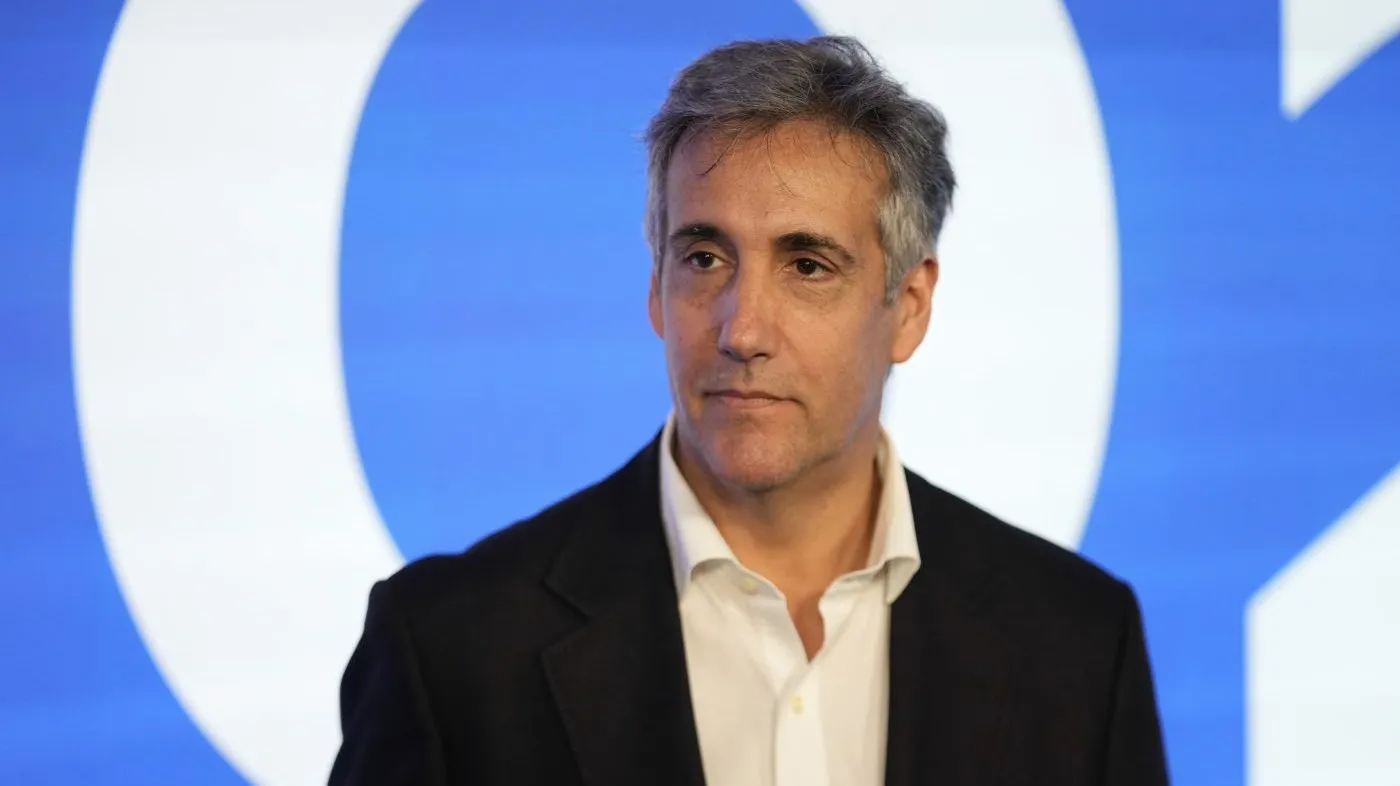
Michael Cohen Confirms Reconciliation with Trump After Breaking from His Former Boss
Provpnadvice.com – Michael Cohen, the former personal attorney of President Trump, recently stated that he and the president have resolved their long-standing conflict. This development came after Cohen publicly distanced himself from Trump in the wake of the 2024 hush money case, where he admitted to facilitating payments to adult film actress Stormy Daniels to cover up allegations of an affair with Trump prior to the 2016 election. According to Cohen, the reconciliation was sparked by a gesture from Trump that signaled a shift in their relationship.
A Turning Point in the Feud
Cohen shared his account during an interview with John Catsimatidis and Rita Cosby on Friday’s “Cats & Cosby Show” on 77 WABC. He described how their estrangement began when he testified against Trump, but the breakthrough occurred when Trump reached out to him in an unexpected manner. “Out of nowhere, when I was sitting with my wife at a restaurant, my phone buzzed and it was a text from that friend who expressed the president’s genuine empathy for the hell I was being dragged through,” Cohen recounted. “I deeply appreciated that text. I actually texted the president back, thanking him and expressing my sincere hope that this long, exhausting feud between us could finally end.”
“I never once witnessed, I never heard of, I never saw, I never communicated, never saw in the office Jeffrey Epstein,” Cohen said. “Never saw him speak to him … Those two things shattered [the left’s] narrative. The far left, they literally went on this absolute warpath against me.”
Cohen emphasized that Trump’s outreach was a pivotal moment. “He replied back almost immediately and said it was ‘actually time for us to meet,’” the former fixer explained. “We both knew the cost of this war. In that moment, the ice between us didn’t just melt—it broke.” This exchange, he argued, marked the beginning of a new chapter in their relationship.
Epstein and the Left’s Narrative
Cohen also addressed the role of the political left in shaping the perception of his actions against Trump. He claimed the left had positioned him as their primary tool for undermining the president, but he ultimately deviated from their plan. “The left embraced me as their ultimate weapon against Trump,” Cohen said. “The pack, they turned feral.” This criticism suggests that the left intensified their attacks on him once he testified, despite his initial alignment with their goals.
Previously, Cohen had been a key figure in Trump’s team, tasked with managing controversies and maintaining his public image. However, his decision to testify in the 2024 case marked a significant departure from that role. In the trial, he detailed how he helped Trump cover up the alleged affair by arranging payments to Daniels, describing the effort as something he “reverse-engineered” to align with Trump’s financial statements. This testimony played a central role in the case brought by New York Attorney General Letitia James (D), which resulted in Trump’s conviction on 34 counts of falsifying business records.
“I’m out of here. I mean, I’m already working on a foreign passport with a completely different name,” Cohen told MS NOW’s Nicole Wallace. “I don’t know how it’s going to work, as far as dealing with my wife and my children. I certainly don’t want them moving to where I’m looking to go.”
Despite the reconciliation, Cohen’s actions have left lasting consequences. He pleaded guilty to campaign finance violations and tax evasion in 2018, later admitting to lying to Congress about his role in the hush money scheme. His prison sentence, which included a period of house arrest, was completed in late 2021. Yet, his testimony in the New York case and subsequent public statements continue to influence the political landscape. Trump, who has denied any wrongdoing in connection with Epstein’s crimes, was found guilty in the Manhattan District Attorney’s case led by Alvin Bragg (D). Last month, he appealed the conviction and civil fraud judgment, signaling his determination to challenge the legal outcomes.
The Feud’s Impact on Trump’s Reputation
Cohen’s decision to testify against Trump has had a profound effect on the president’s standing. In the 2024 case, his acknowledgment of Trump’s direction in the hush money payments cast doubt on the former president’s integrity, even as Trump maintained that the payments were necessary to protect his reputation. This split, which once placed Cohen at the top of Trump’s enemy list, has since evolved into a mutual understanding. “I’m out of here,” Cohen reiterated, revealing his plans to leave the country if Trump secures re-election, a move that underscores his lingering concerns about the political fallout.
While Cohen’s reconciliation with Trump may suggest a thaw in their relationship, the former attorney’s words hint at a complex dynamic. He described the reconciliation as a result of Trump’s personal outreach, which contrasted with the earlier hostility fueled by the media and political opponents. “The far left brought back the relationship,” Cohen said, noting that the group had previously kept their distance. This statement highlights how external forces, particularly the media, played a role in the feud’s escalation and resolution.
Cohen’s Legacy and the Road Ahead
The reconciliation between Cohen and Trump raises questions about the nature of their relationship and the factors that led to its renewal. While the former attorney has acknowledged his role in the hush money case, he has also emphasized his efforts to make amends. “We both knew the cost of this war,” he reiterated, suggesting that the conflict was not just a personal one but also a strategic move to protect Trump’s interests.
Despite the truce, Cohen’s testimony and public statements continue to shape the narrative around Trump’s presidency. His admission of guilt in multiple cases, coupled with his cooperation in the New York trial, has positioned him as a pivotal figure in the ongoing legal battles. As Trump’s appeal moves forward, Cohen’s role as a witness and former ally remains significant. His decision to leave the country if Trump wins the 2024 election underscores the lingering tension between personal loyalty and political survival, even as he claims to have found common ground with his former boss.
In the end, Cohen’s reconciliation with Trump may represent a strategic realignment rather than a complete resolution of differences. The former attorney’s public statements highlight a shift from adversarial to cooperative, but the underlying tensions—rooted in the feud over the hush money payments and the broader political context—continue to shape their relationship. As the legal and political battles unfold, Cohen’s journey from Trump’s fixer to his critic and then to his collaborator offers a unique perspective on the evolving dynamics of power and influence within the administration.