Former IRS, DOJ officials call on judge to scrutinize Trump audit immunity deal

Former IRS and DOJ Officials Urge Judge to Scrutinize Trump’s Audit Immunity Deal
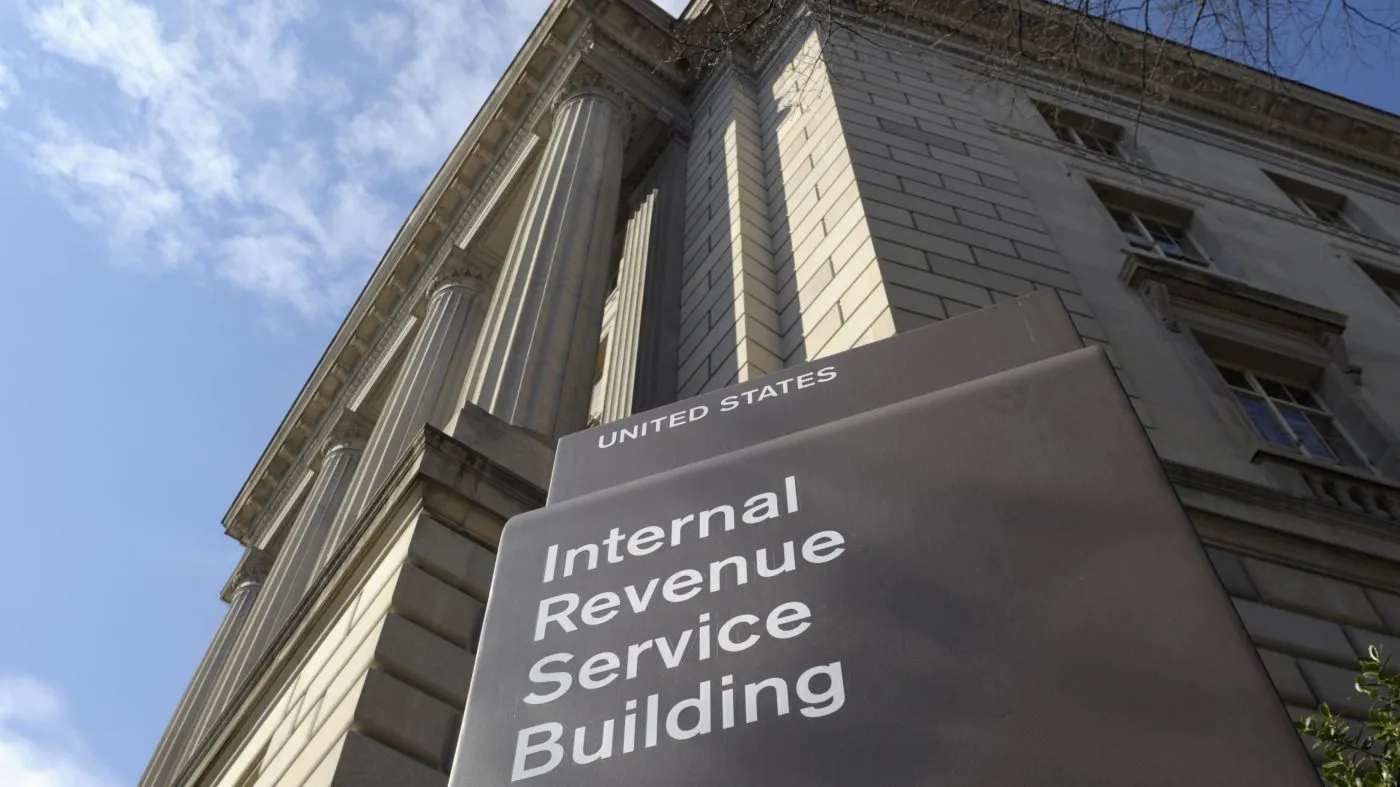
Provpnadvice.com – Former IRS and DOJ officials call for a judicial review of President Donald Trump’s audit immunity agreement, arguing it undermines core legal principles. A coalition of four ex-officials from the Internal Revenue Service (IRS) and the Department of Justice (DOJ) submitted an amicus brief to a court, emphasizing the need to evaluate the deal’s legality. The document contends that the agreement provides Trump and his associates with broad protections, allowing them to avoid scrutiny for potential tax violations and other federal matters.
Signatories and Legal Arguments
The amicus brief was signed by John Koskinen, former IRS commissioner; Kathryn Keneally, ex-assistant attorney general for the DOJ’s tax division; Nina Olson, former national taxpayer advocate; and Gilbert Rothenberg, prior head of the DOJ’s appellate section. Together, they assert that the May 18, 2026, settlement grants Trump, his family, and business entities indefinite immunity from IRS audits. This, they claim, creates a unique legal privilege, shielding the former president from accountability for all tax-related issues, regardless of evidence.
The officials highlight the Domestic Emoluments Clause as a central legal concern. This constitutional provision ensures the president’s salary is fixed and prevents additional financial benefits without congressional approval. By securing audit immunity, the settlement allegedly circumvents this clause, enabling Trump to avoid scrutiny for tax-related conduct while in office. The coalition argues this sets a dangerous precedent, allowing future administrations to claim similar exemptions.
Settlement Mechanics and Immunity Scope
The agreement, reached on May 18, 2026, involves Trump dropping a $10 billion lawsuit against the IRS in exchange for a $1.776 billion “anti-weaponization” fund. The DOJ’s proposal aims to compensate for prior IRS actions, but critics say its broader implications extend beyond that. The next day, acting Attorney General Todd Blanche approved a provision that permanently excludes Trump and his affiliates from IRS audits for any period before the settlement date. This raises questions about the fairness of the deal, as it grants immunity from examination for all known and undiscovered claims.
The former officials warn that the immunity order’s scope is unprecedented. It not only shields Trump from tax audits but also potentially protects him from investigations by other federal agencies. This dual standard, they argue, weakens the rule of law and allows Trump to avoid accountability for actions unrelated to tax filings. The brief suggests this arrangement was finalized shortly after Trump nominated Blanche, hinting at possible conflicts of interest in its approval.
Collusion and Legal Authority
Some critics accuse the settlement of being a collusive agreement between Trump and Blanche, using the lawsuit as a cover to secure broad immunity. The former officials claim Blanche’s authority to grant such protection was unclear, as the DOJ had not formally referred the matter to its investigative divisions. This, they say, allows Trump to bypass standard legal procedures, creating a situation where the president is shielded from scrutiny without proper oversight.
“The release’s wording is vague, but it seems to grant Trump and his affiliates protection from any examination, even if it involves matters unrelated to taxes,” the brief states. This, the officials note, could enable Trump to avoid accountability for all activities under his administration. They stress that the deal not only impacts tax equity but also challenges the principle of equal treatment under the law for public officials.
Broader Implications for Presidential Accountability
The coalition warns that if the immunity order is upheld, it could establish a dual tax system where Trump and his associates are exempt from scrutiny while others face full audits. This distinction, they argue, sets a dangerous precedent, allowing future presidents to claim similar protections. “The current agreement allows Trump to escape scrutiny for all conduct, including actions taken before the immunity was granted,” the officials state. They call this a potential erosion of transparency in government, where immunity is granted through strategic legal maneuvers rather than public oversight.
By urging the judge to examine the deal’s legality, the former IRS and DOJ officials call for a reaffirmation of the legal system’s integrity. They emphasize that the settlement’s approval without clear congressional approval could grant Trump a lifetime shield against audits, effectively allowing him to avoid accountability for any financial misconduct. This has sparked debate over the balance between executive authority and the need for checks and balances in presidential governance.