DOJ refers to Air Force One threat as ‘assassination attempt’ in ballroom appeal

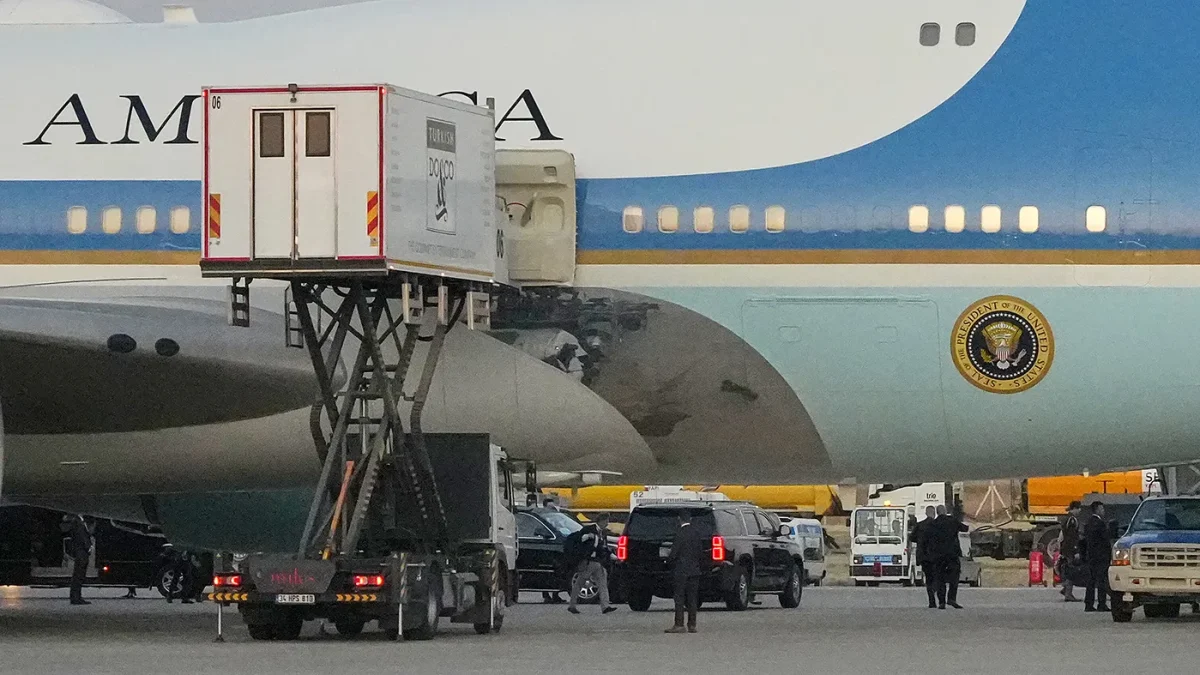
Table of Contents
Supreme Court Appeal Highlights Air Force One Missile Threat as Assassination Attempt
Provpnadvice.com – The Justice Department has elevated the status of a recent security incident involving President Trump, formally characterizing an Iranian missile threat as an “assassination attempt” in court documents submitted to the nation’s highest judicial body. This classification appears in an emergency appeal filed by Solicitor General John Sauer, who is seeking to reverse a lower court’s decision that temporarily halted construction of the White House ballroom project.
Legal Arguments Center on National Security
In his filing, Sauer presented compelling evidence that recent threats against the president underscore the urgency of completing the ballroom expansion. The solicitor general emphasized that the facility serves multiple critical functions beyond hosting ceremonial events, including housing a subterranean military operations center and accommodating a dedicated drone landing port. These features, he argued, are essential components of modern presidential security infrastructure.
President Trump has been the target of a growing number of recent assassination attempts, the solicitor general wrote in his appeal, citing the July 8 threat of a missile attack against Air Force One and other previously reported incidents.
The timing of this legal maneuver is particularly significant. Just days before the Supreme Court appeal, a federal appeals court panel issued a 2-1 ruling that suspended all above-ground construction activities on the ballroom project. The judges determined that the administration had failed to secure proper congressional authorization for the expansion, though they allowed underground work to proceed without interruption.
The Secret Plane Switch Revealed
The missile threat incident gained widespread attention after The Washington Post disclosed details of a covert transportation operation. During President Trump’s departure from the NATO Summit in Turkey in July, security personnel executed an elaborate ruse to move the president from the primary aircraft to a backup plane. The operation utilized a catering truck to transport the president discreetly through the airport, concealing the move from most observers.
Traveling with the president were members of the press pool, several cabinet officials, and White House staff personnel. All believed they were departing on the same aircraft as the president, unaware that he had already been transferred to a separate plane. This Secret Service operation raised considerable concern about presidential safety during international travel and highlighted vulnerabilities in existing security protocols.
Ballroom Construction Faces Scrutiny
The proposed 90,000-square-foot ballroom represents one of the most ambitious construction projects undertaken at the White House in recent decades. Administration officials have consistently argued that the facility is necessary to enable the president to attend diplomatic and ceremonial events while remaining within the secure perimeter of the White House complex. This capability reduces the need for the president to travel to external venues, thereby minimizing security risks associated with public appearances.
Sauer’s emergency appeal directly challenges the lower court’s assessment of congressional approval requirements. In his filing, the solicitor general contended that the updated East Wing complex is absolutely required and should not be enjoined by the court’s ruling. He presented evidence that the ballroom’s construction aligns with existing statutory authority and that delays could compromise national security interests.
Broader Implications for Presidential Security
The classification of the Air Force One incident as an assassination attempt carries significant implications for how the administration frames future security threats. This designation elevates the incident from a routine security concern to a major event comparable to previous attempts on the president’s life. It also strengthens the administration’s position in legal proceedings by demonstrating that the ballroom project addresses genuine, documented threats to presidential safety.
The ballroom’s underground military complex and drone port represent cutting-edge additions to White House infrastructure. These facilities enable rapid response capabilities and provide secure command centers during emergencies. The drone port, in particular, offers advantages for surveillance and transportation that traditional helicopter operations cannot match.
As the Supreme Court considers the appeal, the outcome will determine whether the ballroom construction can proceed according to schedule or face additional delays. Legal experts suggest that the court may weigh the national security arguments presented by the administration against the procedural concerns raised by the lower court. The decision could set important precedents for future White House construction projects and the balance between executive authority and congressional oversight.
The incident also underscores the evolving nature of threats facing American presidents. While traditional assassination attempts have historically involved firearms or explosives, modern security challenges include aerial threats, cyber attacks, and other sophisticated dangers. The Air Force One missile threat exemplifies this shift, demonstrating that presidential security must adapt to address emerging risks from multiple directions.
Related Reading
Frequently Asked Questions
What is DOJ refers to Air Force One threat?
DOJ refers to Air Force One threat is the main topic of this guide. The article explains the context, practical details, and next steps readers should understand.
Why does DOJ refers to Air Force One threat matter?
DOJ refers to Air Force One threat matters because readers are looking for a useful answer, not just a short summary. Good content should match search intent and help them decide what to do next.