$25 million in national park project funds blocked by Trump administration: Report

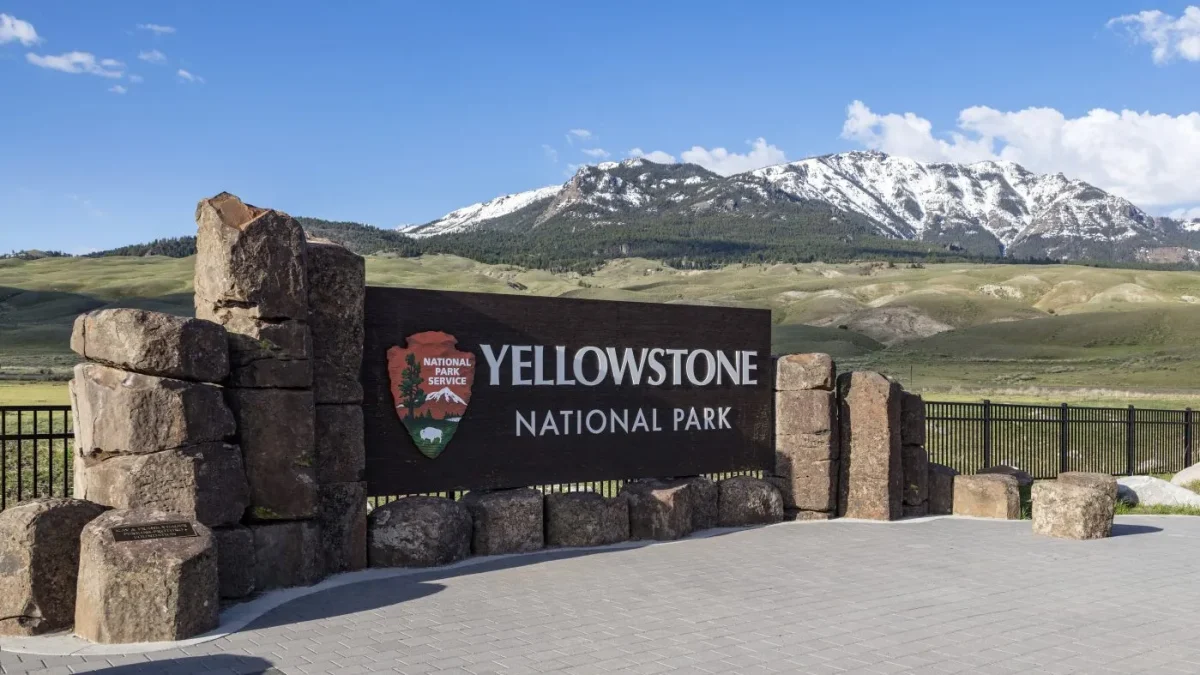
Table of Contents
$25 Million in National Park Projects Remains Blocked
Provpnadvice.com – More than 130 planned projects tied to 25 million in national park funding were halted after the Trump administration declined to approve agreements needed to release the money. The affected work spans major destinations including Yellowstone, Yosemite, Zion and Joshua Tree, along with projects in Iowa, California and Alaska.
The Interior Department, which oversees the National Park Service, rejected the agreements last month. Many of the projects depended on partnerships with outside organizations that provide seasonal workers, scientific expertise, restoration crews and other specialized support without increasing the federal workforce.
Although the money came from congressional appropriations and existing federal programs, the agreements required Interior Department approval before it could be used. With that approval withheld, parks and their nonprofit partners have been left uncertain about whether the work will move forward.
Joshua Tree Projects Include Wildfire and Health Work
Joshua Tree National Park in California appears to have been among the hardest-hit locations, with at least 10 projects affected. The delayed efforts included wildfire preparedness, restoration in burned areas and removal of rodents carrying hantavirus from historic park buildings.
Park records warned that postponing preventative fire work could have serious consequences. Delays may leave parks less prepared to respond to future wildfires while increasing the potential environmental damage and cost of suppression.
“If this work is not completed, the park will be unable to fight wildfire. Fires will be larger and fire suppression will be more expensive.”
The blocked 25 million in national park funding therefore affects more than routine maintenance. Projects involving hazard reduction, restoration and public-health protections can shape how parks respond to fires, invasive species, disease risks and damage to historic resources.
Wildlife, Cultural Sites and Conservation Work Delayed
The funding freeze extends beyond California’s desert parks. One proposal would have protected prehistoric Native American mounds in Iowa from falling trees. Another would have supported conservation work involving an endangered snake species in California. At Denali National Park and Preserve in Alaska, an agreement would have helped provide care for sled dogs.
These examples reflect the broad responsibilities of the National Park Service, from protecting wildlife and habitats to preserving cultural landscapes, historic buildings and visitor access. Partner organizations can be especially important when projects require field crews, researchers or technical skills that parks do not have through permanent staffing.
The Great Basin Institute, a conservation nonprofit that works with federal land agencies, had more than 70 agreements rejected. Those agreements represented at least $12 million in planned work. Chief executive officer Peter Woodruff said the organization was not directly told why the Interior Department blocked its agreements.
Interior Department Points to Administration Priorities
Interior Department spokesperson Aubrie Spady confirmed that agreements had been rejected with organizations she said were at odds with the administration’s priorities and the interests of the public.
“This decisive action is ensuring that these taxpayer dollars are being used in alignment with the administration’s objectives to make life more affordable for Americans, unleash domestic energy production and expand access to our public lands.”
The statement connects the decision to the administration’s wider public-lands agenda, including domestic energy production and expanded access to federal lands. However, the projects affected by the 25 million in national park funding dispute include wildfire planning, habitat conservation, preservation of Indigenous cultural resources and animal care.
Visitors may not immediately notice the consequences of a delayed agreement, since much of the work occurs behind the scenes. But postponing restoration, safety and preservation work can make future projects more difficult and expensive if fire damage, environmental conditions or building deterioration worsen.
FAQ: What the Funding Freeze Could Mean for Park Visitors
Are national parks closed because of the blocked funding?
No. The reported agreement rejections concern specific planned projects, not a general closure of national parks. Visitors should continue to check individual park notices before traveling.
What kinds of projects are affected?
The delayed work includes wildfire preparedness, restoration of burned areas, wildlife conservation, cultural-resource protection, historic-building health measures and care for sled dogs at Denali National Park and Preserve.
Why do parks work with outside organizations?
Partnerships can provide seasonal labor, scientific knowledge, restoration crews and specialized skills that support park operations without expanding permanent federal staffing.
Could the delays affect future visits?
Potential effects may emerge over time if delayed maintenance, restoration or hazard-reduction projects leave parks with greater fire risks, damaged resources or more costly work later. The immediate impact will vary by park and project.