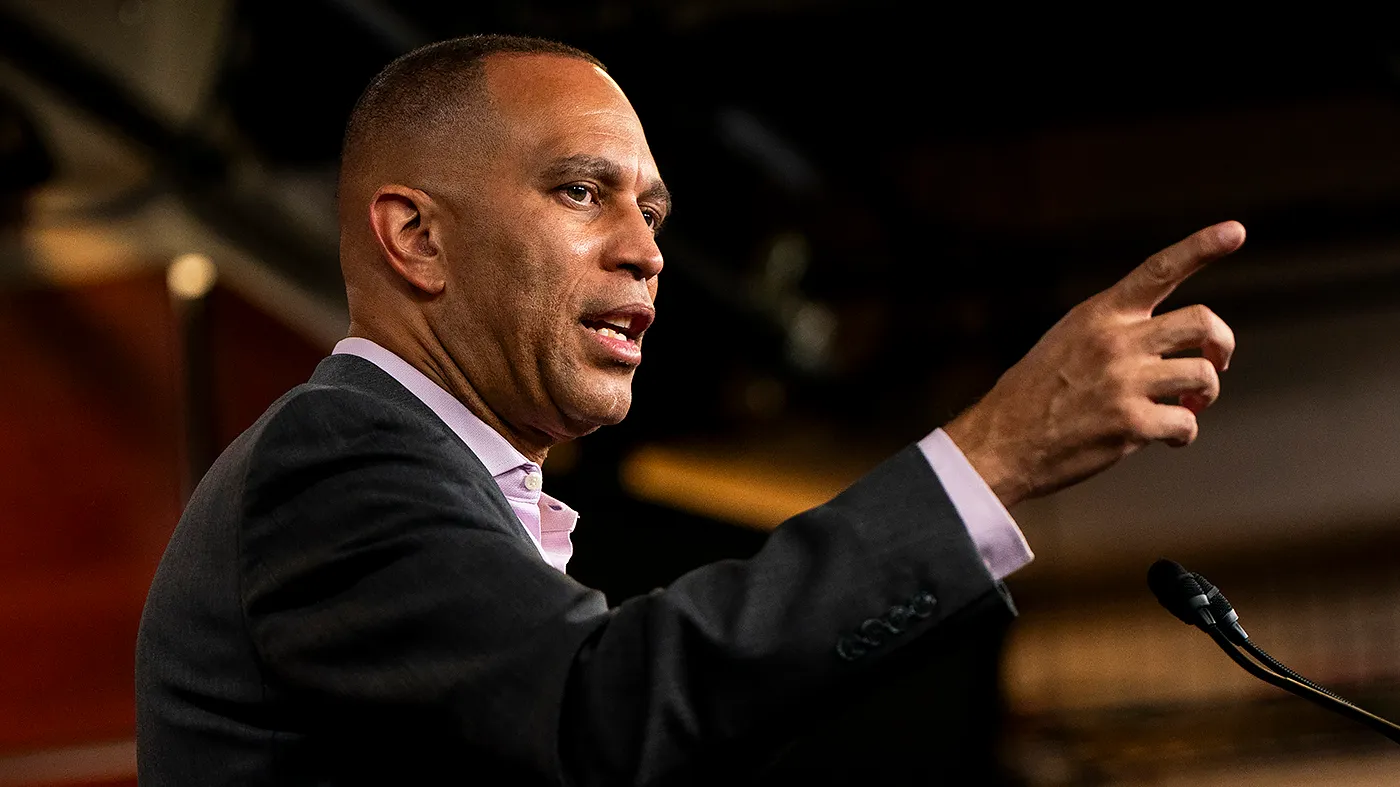
Massie, Greene slam Trump’s move to lower beef prices

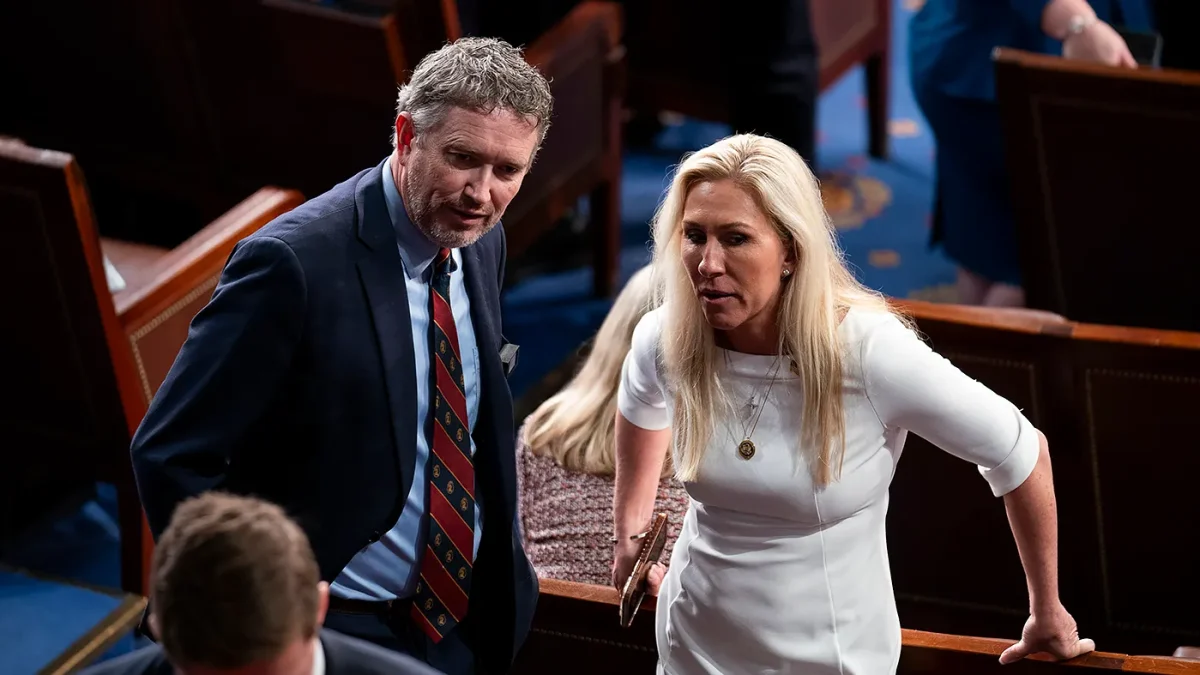
Table of Contents
Two House Republicans Turn on Trump Over Ground Beef Tariff Waiver
Provpnadvice.com – The price tag on a pound of ground beef has become a flashpoint in Washington, and two Republican lawmakers have publicly challenged the White House over a temporary tariff exemption designed to push retail prices lower before voters head to the polls in November. The move, announced by President Trump on Friday morning via a Truth Social post, permits up to 300,000 metric tons of imported ground beef to enter the United States free of the so-called “out-of-quota tariff” over a 90-day window. The imported product would be required to hit store shelves at a discount of 25 percent below prevailing market rates.
The Policy in Context
Domestic beef prices have climbed steadily through the summer. Bureau of Labor Statistics figures, relayed through the Federal Reserve Bank of St. Louis, show the average retail price of 100 percent ground beef reaching roughly $6.89 per pound in July — a jump of more than 10 percent compared with the same month a year earlier. A historically thin U.S. cattle herd, compounded by sustained consumer demand, has left processors and retailers with limited domestic supply to meet that demand. Trump framed the tariff waiver as a stopgap: he said the measure would “reduce prices for Americans while giving space for our Great American Beef Herd to grow again.”
The administration’s logic is straightforward — flood the market temporarily with cheaper imported product to ease the squeeze on household budgets, then let domestic herds rebuild over time. But two members of the president’s own party argued the approach punishes American producers and distorts the market in ways that outlast the 90-day window.
Massie Calls It a “Slap in the Face”
Kentucky Representative Thomas Massie, a longtime fiscal-conservative voice in the House, was among the first to register his objection. In a social-media post, he labeled the tariff waiver a direct insult to both cattlemen and the shoppers who depend on them.
“Worse than socialism! Dumping foreign beef in U.S. markets can temporarily lower prices but it won’t incentivize American farmers to raise more beef.”
Massie went further, urging the administration to reinstate country-of-origin labeling on meat products so consumers can see exactly where their ground beef was produced. He also pressed Congress to advance his Processing Revival and Intrastate Meat Exemption (PRIME) Act, a bill that would let individual states authorize local slaughterhouses to process livestock from nearby farms and ranches. The goal, as Massie frames it, is to reduce dependence on the small number of large-scale processing facilities currently cleared by the U.S. Department of Agriculture — facilities whose geographic concentration has long drawn criticism from rural communities that lost their local packing plants decades ago.
Greene Accuses the Administration of Putting Foreign Beef First
Former Georgia Representative Marjorie Taylor Greene, who left Congress in January after serving two terms, weighed in with equal force. She accused the White House of compounding the financial pressures already weighing on American beef producers.
“Now they will be undercut by foreign imported beef, as they have been hit financially with high cost of fertilizer and diesel from Trump’s war with Iran. The Trump admins attempt to lower the cost of beef is American beef LAST and foreign beef FIRST.”
Greene’s post tied the beef issue to broader trade and energy costs she attributes to the administration’s foreign-policy posture, arguing that ranchers are being squeezed from multiple directions at once — higher input costs on one side and imported competition on the other.
Why the Beef Question Has Become Political
Ground beef sits near the center of the American grocery budget. For millions of households, it is the most affordable source of protein, and a sustained price spike lands disproportionately on lower- and middle-income families. That is precisely why the timing of the tariff waiver — announced weeks before the midterm elections — drew immediate scrutiny. Critics on the right see it as a short-term price band-aid that risks depressing cattle prices at the farm level, discouraging the very herd expansion the administration says it wants. Supporters, meanwhile, point to the temporary nature of the measure and the genuine hardship facing consumers who have watched meat prices climb for months.
The episode also illuminates a recurring tension within the Republican coalition: the pull between free-market skepticism toward government price interventions and the populist impulse to deliver immediate relief at the checkout counter. Massie’s PRIME Act proposal and his push for origin labeling represent a structural, long-term answer to supply-chain concentration. The tariff waiver is a tactical, short-term answer to a price spike. Both can coexist in policy, but the two approaches speak to different constituencies and different timelines, and the friction between them is now playing out in public, in real time, with midterm voters watching.
Whether the 90-day window actually cools retail prices — or simply shifts the cost burden onto domestic cattlemen who must compete against a 25-percent discount on imported product — will become clear in the coming weeks. What is already clear is that the beef question has moved from a niche agricultural-policy debate into the mainstream political conversation, and that the administration’s attempt to manage it before Election Day has at least two prominent Republicans telling voters they disagree.
Related Reading
Frequently Asked Questions
What is Massie Greene slam Trump s move?
Massie Greene slam Trump s move is the main topic of this guide. The article explains the context, practical details, and next steps readers should understand.
Why does Massie Greene slam Trump s move matter?
Massie Greene slam Trump s move matters because readers are looking for a useful answer, not just a short summary. Good content should match search intent and help them decide what to do next.