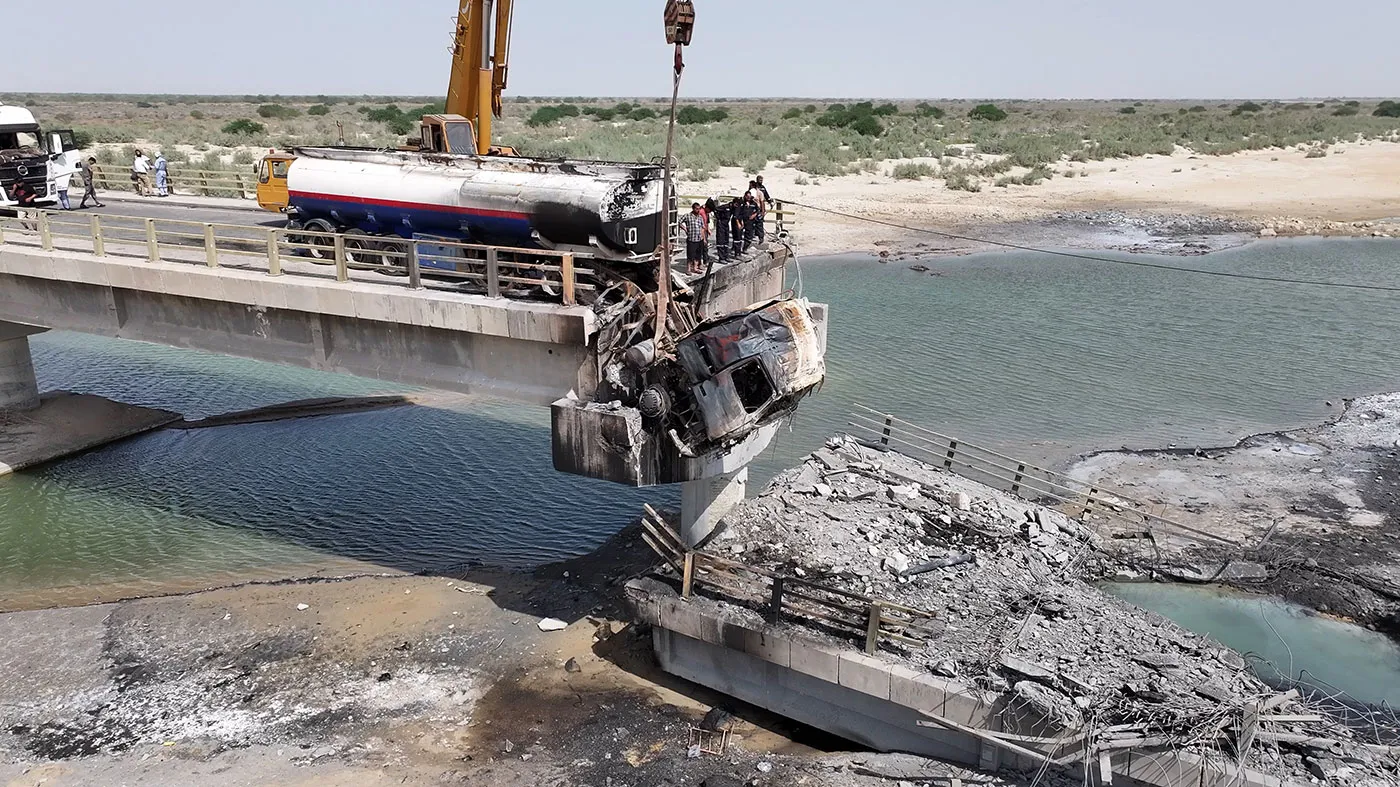
Army plans to phase out drone unit championed by sacked generals

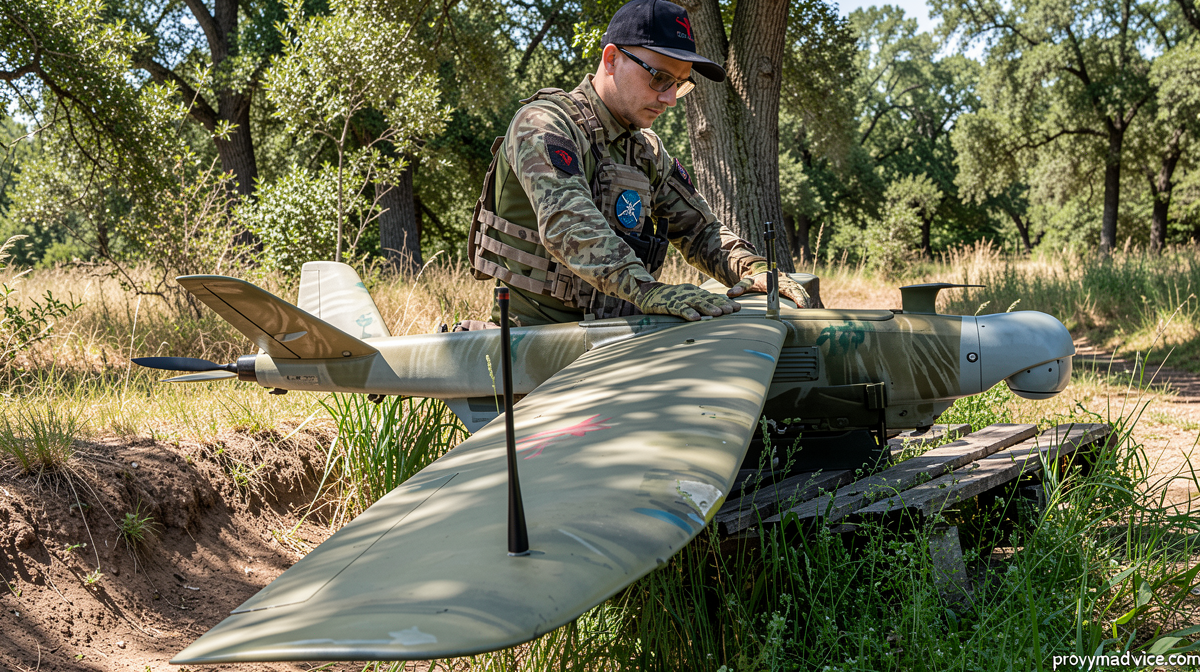
Table of Contents
Army Moves to Dissolve Experimental Drone Battalion After Foreign-War Study Mission
Provpnadvice.com – The U.S. Army is preparing to wind down a specialized infantry battalion built to absorb tactical lessons from active foreign conflicts — most notably the drone-saturated fighting in Ukraine — and fold its personnel back into conventional airborne operations. An Army official confirmed the decision on Thursday, describing the move as a return to the unit’s traditional mission profile rather than a permanent elimination of unmanned-systems experimentation.
The formation in question, designated the Unmanned Assault Battalion, will complete two final exercise cycles at the Joint Multinational Readiness Center in Germany during the current month and the one following. Once those rotations conclude, the battalion will shed its experimental drone-employment role and resume its standing function as an airborne infantry battalion embedded within a Mobile Brigade Combat Team (Airborne), according to the official.
A Unit Born of Foreign-War Lessons
The battalion sits inside the 173rd Airborne Brigade, a light-information quick-reaction force garrisoned at Vicenza, Italy. Its creation was a direct response to what commanders observed in Ukraine, where uncrewed aerial systems have reshaped infantry tactics at every level. U.S. Army Europe and Africa, operating with the endorsement of both the Army headquarters and U.S. European Command, tasked the battalion with what the official described as prototyping “an employment concept for a tactical unmanned systems battalion.” In practical terms, that meant sending soldiers into live and simulated environments to figure out how small drones could be woven into company- and battalion-level operations under contested conditions.
The project carried the personal imprimatur of two senior officers who have since been removed from their posts. Former Army Chief of Staff Gen. Randy George, who championed the battalion during his tenure, was displaced by Defense Secretary Pete Hegseth earlier this year. Gen. Chris Donahue, the former commander of U.S. Army Europe and Africa, also backed the unit; his July removal by Hegseth split Republican lawmakers on Capitol Hill and drew sharp debate over civilian control of the military.
Experts Warn the Army Is Ceding Ground
Military analysts have pushed back hard against the phaseout, arguing that Ukraine functions as a real-time laboratory where the world’s most experienced drone operators are continuously adapting under Russian fire. Eliminating the very unit tasked with translating those lessons into American doctrine, they contend, hands the initiative to adversaries already studying the same battlefield.
“The U.S. is behind in adopting and fielding small drones. While the Pentagon is planning a massive investment in small drones, procurement is not enough to close this gap. There is a risk that the U.S. Army invests in the wrong types of drones or obsolete technology and doesn’t learn how to employ them in an effective fashion on a highly contested battlefield,” said Stacie Pettyjohn, senior fellow and director of the defense program at the Center for a New American Security.
Pettyjohn pointed to a recent European exercise in which Ukrainian forces outperformed U.S. Army units in drone employment as evidence that American operators still have substantial ground to cover.
“The experience of a recent exercise in Europe … in which the Ukrainians beat U.S. Army forces, shows that the U.S. has a lot to learn. The Pentagon should be taking every opportunity to learn from the Ukraine war. The Russians, Chinese and North Koreans certainly are.”
Cameron McMillan, a former counter-rocket, artillery and mortar battle captain who served in Iraq and now works as a senior research analyst at the Foundation for Defense of Democracies’ Center on Military and Political Power, framed the phaseout as one of several puzzling steps the Army has taken in recent months. He also flagged the transfer or withdrawal of units and commands suited for large-scale ground combat in Europe toward theaters where they are less needed.
“As the Iran war has demonstrated, the U.S. Army has a significant gap in drone defense capability, capacity and doctrine. In the Middle East, that challenge is largely defending static bases against long-range one-way-attack … drones. But in Europe, the counterdrone challenge is much greater” and includes defending against smaller first-person view drones, McMillan said.
He added that the dissolved unit had been specifically engineered to incorporate and apply “desperately needed lessons learned from Ukraine” so the Army could adapt to that European counterdrone challenge.
The Broader Transformation Agenda
The phaseout lands amid a sweeping modernization push. Army Secretary Dan Driscoll and Gen. George launched the Army Transformation Initiative last year, organized around three pillars: delivering critical warfighting capabilities, optimizing force structure, and eliminating waste and obsolete programs. In a May 1, 2025, joint statement, the two outlined plans to introduce long-range missiles and modernized unmanned aerial systems into formations, field the M1E3 tank, develop the Future Long-Range Assault Aircraft, and close the counter-small-UAS capability gap. Command-and-control nodes, they said, would integrate artificial intelligence to accelerate decision-making and preserve operational initiative.
Driscoll separately praised Ukraine’s integrated drone operating system during a May appearance before the Senate Armed Services Committee, describing a system that “fully integrates every single drone” into the force structure. That endorsement, delivered months before the battalion’s wind-down, underscores the tension between the Army’s stated commitment to drone integration and the practical decision to pull the very unit built to execute that commitment.
The decision to gradually eliminate the unit was first reported by The Wall Street Journal. Since the start of the U.S. war against Iran in late February, the strategic weight of drone warfare has been underscored repeatedly as Tehran launched scores of one-way-attack drones at American bases across the Persian Gulf region — a reminder that the capability gap the dissolved battalion was meant to close is not theoretical but operational.
Related Reading
Frequently Asked Questions
What is Army plans to phase out drone?
Army plans to phase out drone is the main topic of this guide. The article explains the context, practical details, and next steps readers should understand.
Why does Army plans to phase out drone matter?
Army plans to phase out drone matters because readers are looking for a useful answer, not just a short summary. Good content should match search intent and help them decide what to do next.