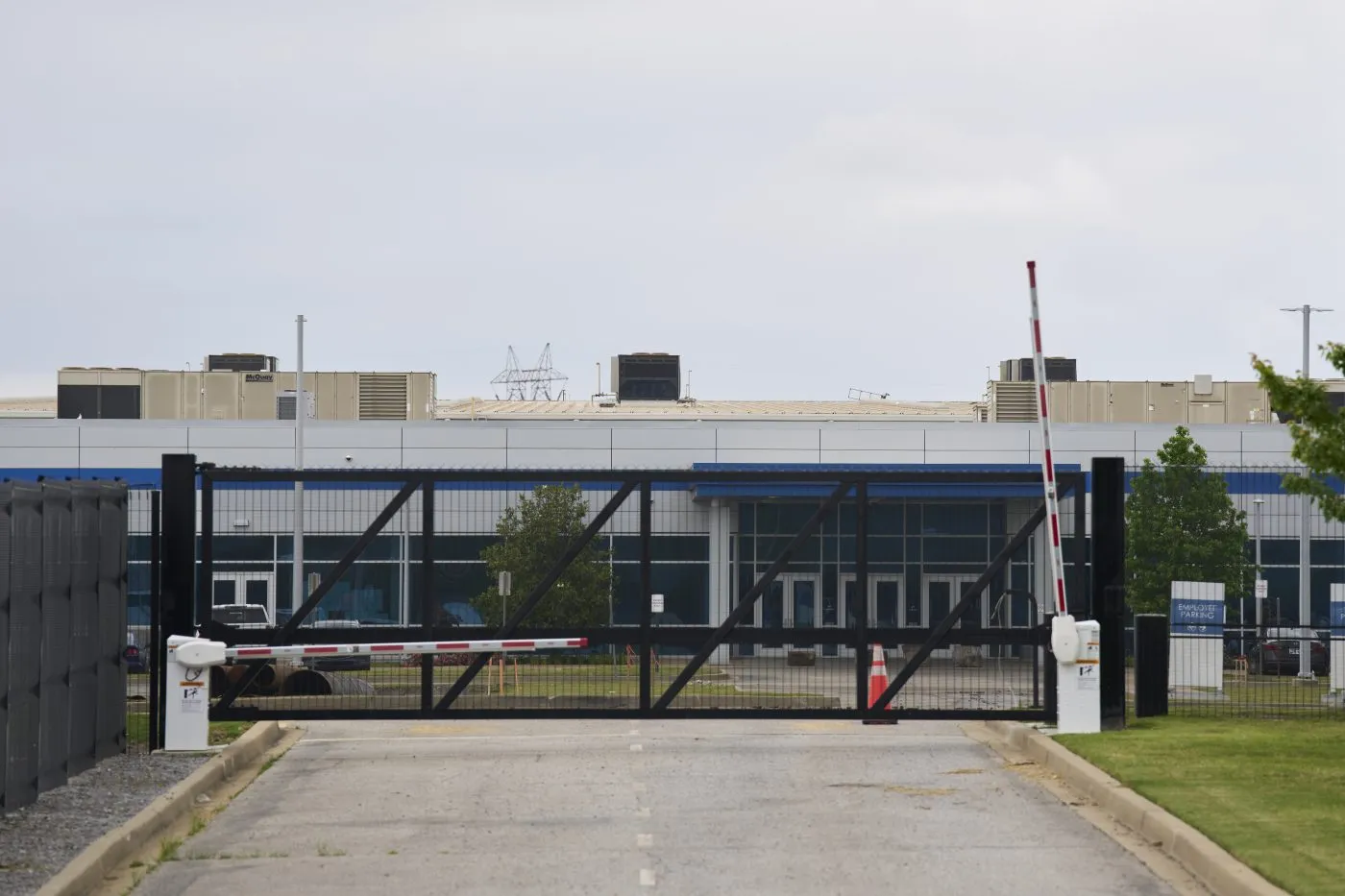
Shapiro signs order restricting data centers in Pennsylvania


Table of Contents
Shapiro Signs Order Restricting Data Centers in Pennsylvania: What Residents Need to Know
Provpnadvice.com – Shapiro signs order restricting data centers across the Commonwealth, marking the most aggressive state-level intervention yet in the ongoing debate over where and how artificial intelligence infrastructure gets built. On Tuesday, Governor Josh Shapiro (D) issued an executive order that imposes sweeping new conditions on any company seeking to construct or expand an AI-focused computing facility within Pennsylvania. The directive formalizes a growing wave of local resistance into binding policy, placing the state alongside a handful of others attempting to rein in what residents have described as an uncontrolled rush of massive industrial projects into their neighborhoods.
The GRID Framework and a Permitting Overhaul
The order operationalizes the Governor’s Responsible Infrastructure Development (GRID) framework, a set of safeguards Shapiro had previously outlined in policy speeches but which now carry the full force of executive authority. Under the new rules, prospective developers must file a formal notice of intent demonstrating compliance before any ground is broken. Two of the most consequential requirements demand that operators bear the full cost of electricity consumed by their facilities and that a substantial share of that power be sourced from clean energy. The order also strips data centers from the state’s Fast Track permitting pipeline, a streamlined approval process that had previously allowed large-scale projects to bypass lengthy local review cycles.
By removing these facilities from expedited channels, the administration effectively resets the timeline for every pending and future project. Developers can no longer rely on compressed review windows to push construction forward before community concerns are fully aired. The shift signals that Pennsylvania will treat AI data centers as major industrial undertakings rather than routine commercial developments, a distinction that carries significant implications for both project economics and local governance.
Community Veto, Transparency Mandates, and the Harrisburg Announcement
Perhaps the most significant structural shift embedded in the order is the requirement that local communities grant explicit approval before construction may commence. This provision hands neighboring towns and municipalities a de facto veto over projects that would otherwise arrive with little more than a corporate announcement and a bulldozer. For residents who have watched multi-hundred-megawatt facilities appear on the periphery of their towns with minimal public input, the change represents a fundamental rebalancing of power between developers and the people who must live beside the resulting infrastructure.
The order also prohibits firms from imposing nondisclosure agreements on neighbors in connection with their data center projects. Shapiro addressed this point directly during a press conference in Harrisburg, the state capital, where he outlined the order’s provisions to reporters and local officials.
“Too often, developers refuse to give even basic info to neighbors — like which tech company will occupy the facility, how much noise it will generate, or what happens if something goes wrong. That ends now.”
The transparency mandate extends beyond construction-phase disclosures. Operators will be required to maintain ongoing communication channels with affected municipalities, ensuring that operational changes, expansion plans, or environmental incidents are reported promptly rather than discovered through third-party channels. The administration framed the provision as a correction to a pattern in which residents learned about major infrastructure changes only after they were already underway.
Frequently Asked Questions
Does the order ban new data centers in Pennsylvania? No. The directive does not prohibit construction outright. It imposes conditions—community approval, clean-energy sourcing, full electricity cost absorption, and removal from Fast Track permitting—that developers must satisfy before breaking ground. Projects meeting every requirement can still proceed.
What happens to data center projects already in the permitting pipeline? Existing applications are subject to the new notice-of-intent and community-approval requirements. Projects that had already cleared Fast Track review before the order took effect may face additional local review under the revised framework, depending on where they stand in the approval sequence.
How does the clean-energy requirement work in practice? Operators must source a substantial share of facility power from clean energy, as defined by state utility commission standards. The order does not specify a fixed percentage in its initial text; implementing regulations are expected to clarify thresholds and acceptable procurement mechanisms.
Can a municipality deny approval indefinitely? The order requires that communities grant or withhold explicit approval, but it does not set a fixed deadline for municipal action. Local councils retain discretion over the scope and duration of public comment periods, though the state may intervene if review is deemed unreasonably prolonged.