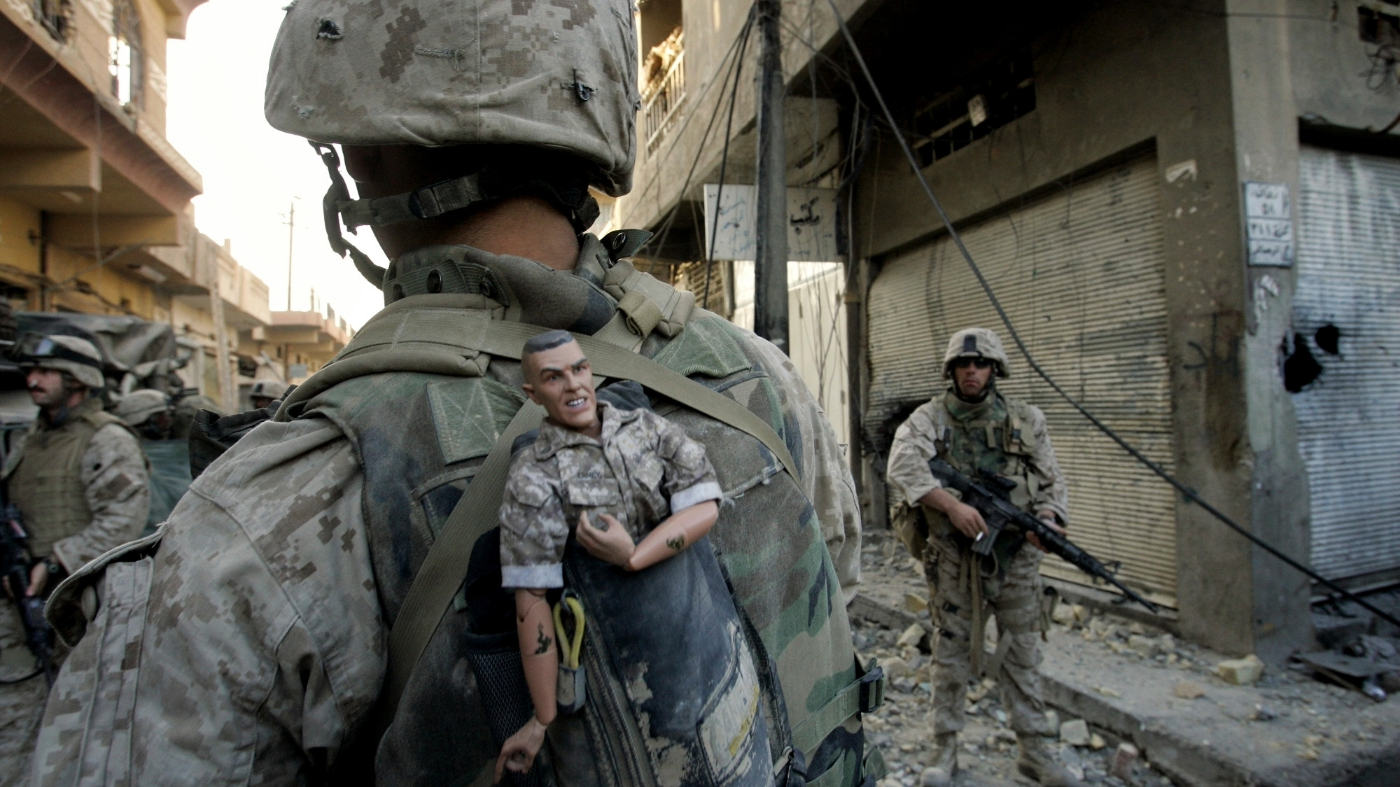
No, the troops aren’t mentally weak. They just have terrible leadership.

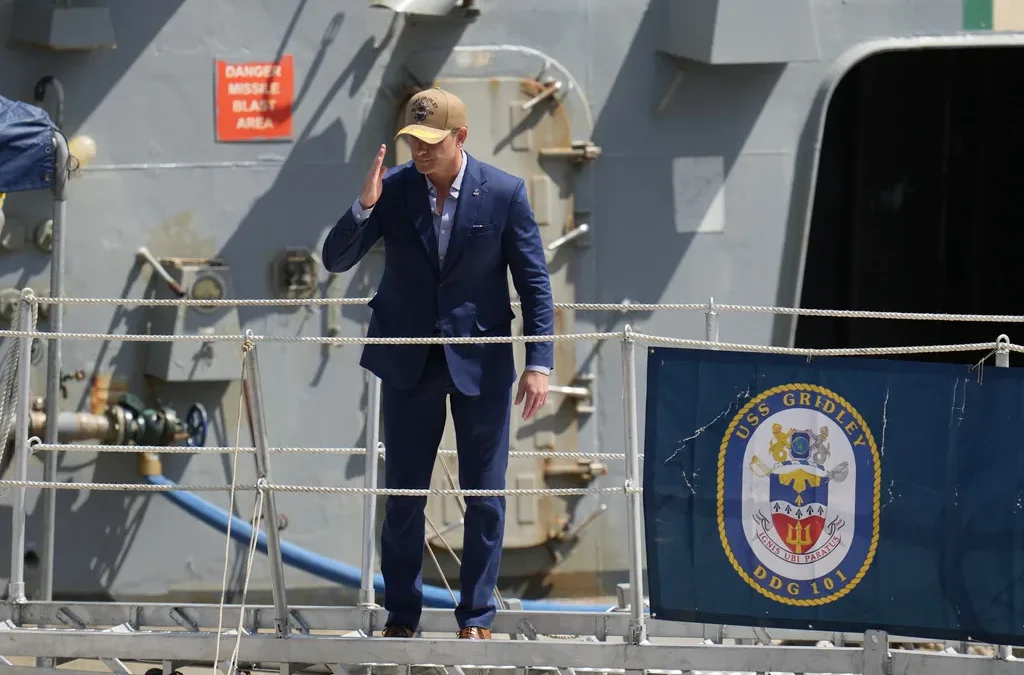
Table of Contents
When the Mission Eats the Soldier: What the Abraham Lincoln Crisis Reveals About Command Culture
Provpnadvice.com – Sailors and Marines aboard the USS Abraham Lincoln have been reporting plumbing failures, food shortages, and the grinding exhaustion of a deployment that stretches far beyond any reasonable operational window. They are stationed in a combat theater for a conflict their commander-in-chief has already declared won — multiple times over. The ship has not come home. Instead, the men and women on board continue to endure conditions that, by any honest measure, erode the very readiness the mission demands.
This is not an isolated grievance. Rumors of collapsing morale had been circulating through military channels since a fire broke out in the laundry room of the USS Gerald Ford, forcing that carrier into extended repairs. The ripple effects of that incident — stretched crews, deferred maintenance, compressed rest cycles — compounded the strain already building across the fleet. What began as a single mechanical failure became a symptom of a broader institutional neglect.
The Mantra and Its Blind Spot
Every junior enlisted Marine learns a particular cadence early in basic training:
“Mission Accomplishment always comes before Troop Welfare.”
The instruction is drilled until it becomes reflex. The logic is straightforward: whether you are in a life-or-death engagement or overseeing a corporate product launch, the task at hand takes priority. Subordinates will surface personal struggles, financial pressures, interpersonal conflicts, or simple motivational fatigue. A leader must acknowledge those realities while keeping the team oriented toward completion. In that narrow sense, the doctrine is sound. If the mission fails, everyone pays the cost.
Yet the mantra carries a corollary that most commanders never internalize: neglect the welfare of the force, and the probability of mission success collapses. History is littered with campaigns lost not to enemy firepower but to attrition, disease, and the quiet unraveling of unit cohesion. Business leaders repeat the same pattern in boardrooms and factory floors, prioritizing quarterly targets while watching their workforce disintegrate.
What Happened in Washington
Rather than pulling the Abraham Lincoln home for rest and repair, President Donald Trump, Secretary of Defense Pete Hegseth, and what observers are increasingly describing as a cadre of yes-men in the Pentagon’s upper civilian ranks pressed forward. Military leaders raised concerns about extended deployments, manpower shortages, and the logistical impossibility of sustaining an offensive naval blockade combined with missile-defense operations against Iran. Those concerns were set aside.
Trump, who has cultivated a public persona as a military strategist and beloved commander, responded by suggesting the deployment had not yet run long enough. Hegseth, a career officer of middling temperament, publicly stated that photographs, news reports, and direct testimonies from service members had been misrepresented. The message to the fleet was unmistakable: your suffering is a narrative problem, not an operational one.
The Performance Economy of War
Trump has long drawn criticism for treating service members as instruments of spectacle rather than as individuals bearing extraordinary burdens. His disrespect for military awards, his characterization of war dead as “suckers and losers,” and his tendency to fudge casualty figures from the Iran conflict all trace back to a single assumption: the soldier is a prop, useful when the camera rolls and expendable when the story shifts.
When a photo opportunity arises, troops become valuable. When a State of the Union address requires visual gravitas, soldiers march across the stage and receive medals while the audience is steered away from the state of the union itself. A figure who has mastered social-media deception discovered that performative gestures — hugging a flag, offering a thumbs-up atop a grave at Arlington National Cemetery, saluting a fallen soldier while wearing a branded cap — can substitute for genuine care in the public imagination.
But the theater has grown stale. Americans watching from home want their service members not merely kept safe from enemy action but actively cared for: fed, housed, maintained, and rotated before the human system breaks. Military life is demanding, and no one in uniform is asking to be coddled. The troops themselves do not want softness. They want competence.
The Veteran’s Burden and the New Generation’s
The predictable counterargument will arrive from the toxic vet-bro wing: these complaints pale beside what earlier generations endured. The comparison will sound remarkably like the old parental claim that walking five miles to school in the snow was nothing compared with today’s children. Veterans have their own stories to tell, and those stories matter. But suffering in one era does not create an obligation to replicate stupid, avoidable hardship in the next. If a problem can be solved with logistics, scheduling, and basic institutional attention, then failing to solve it is not toughness. It is negligence dressed in nostalgia.
It is worth remembering why Bob Hope took USO tours into combat zones. He did not perform to generate favorable press coverage. He went because he understood, viscerally, what it cost a young person to be separated from home for months while the world continued its ordinary rhythms. The tours were an act of institutional care, not a branding exercise.
The Cost of Ignoring the Second Half
The Abraham Lincoln situation is not a story about weak troops. It is a story about leadership that has optimized for the first half of the mantra while allowing the second half to rot. Every day the ship remains deployed under degraded conditions, the probability that its crew can execute its next mission at full capability declines. Every public dismissal of their testimony deepens the distance between the force and the institution meant to protect it.
The mission still matters. But a mission executed by a broken force is not a mission accomplished. It is a mission survived, barely, by people who will carry the memory of being abandoned by their own command for the rest of their lives. That is a cost no stock-market tailwind or photo op can offset.
Related Reading
Frequently Asked Questions
What is No the troops aren t mentally?
No the troops aren t mentally is the main topic of this guide. The article explains the context, practical details, and next steps readers should understand.
Why does No the troops aren t mentally matter?
No the troops aren t mentally matters because readers are looking for a useful answer, not just a short summary. Good content should match search intent and help them decide what to do next.