146K unaccompanied migrant minors located in US under Trump: DHS

146K Unaccompanied Migrant Minors Located in US Under Trump: DHS
Provpnadvice.com – According to a recent announcement by U.S. officials, approximately 146,000 unaccompanied migrant minors have been identified and placed into care since the Trump administration took control of the federal government. This figure, reported by the Department of Homeland Security (DHS), highlights efforts to address the growing issue of child trafficking across the U.S.-Mexico border, which has affected a total of 450,000 children during the Biden presidency. Despite these efforts, nearly 300,000 minors remain unaccounted for, with officials emphasizing the need for continued vigilance in tracking down those involved in the smuggling operations.
The announcement came as part of a broader strategy to combat the exploitation of children in the migration process. Acting Attorney General Todd Blanche, speaking at a press conference, noted that many of these minors had endured abuse, assault, and exploitation while being trafficked by criminal sponsors. Blanche emphasized that the journey to the border was often marked by severe mistreatment, underscoring the urgency of the situation and the importance of legal accountability for those responsible.
Efforts to Track Down Traffickers
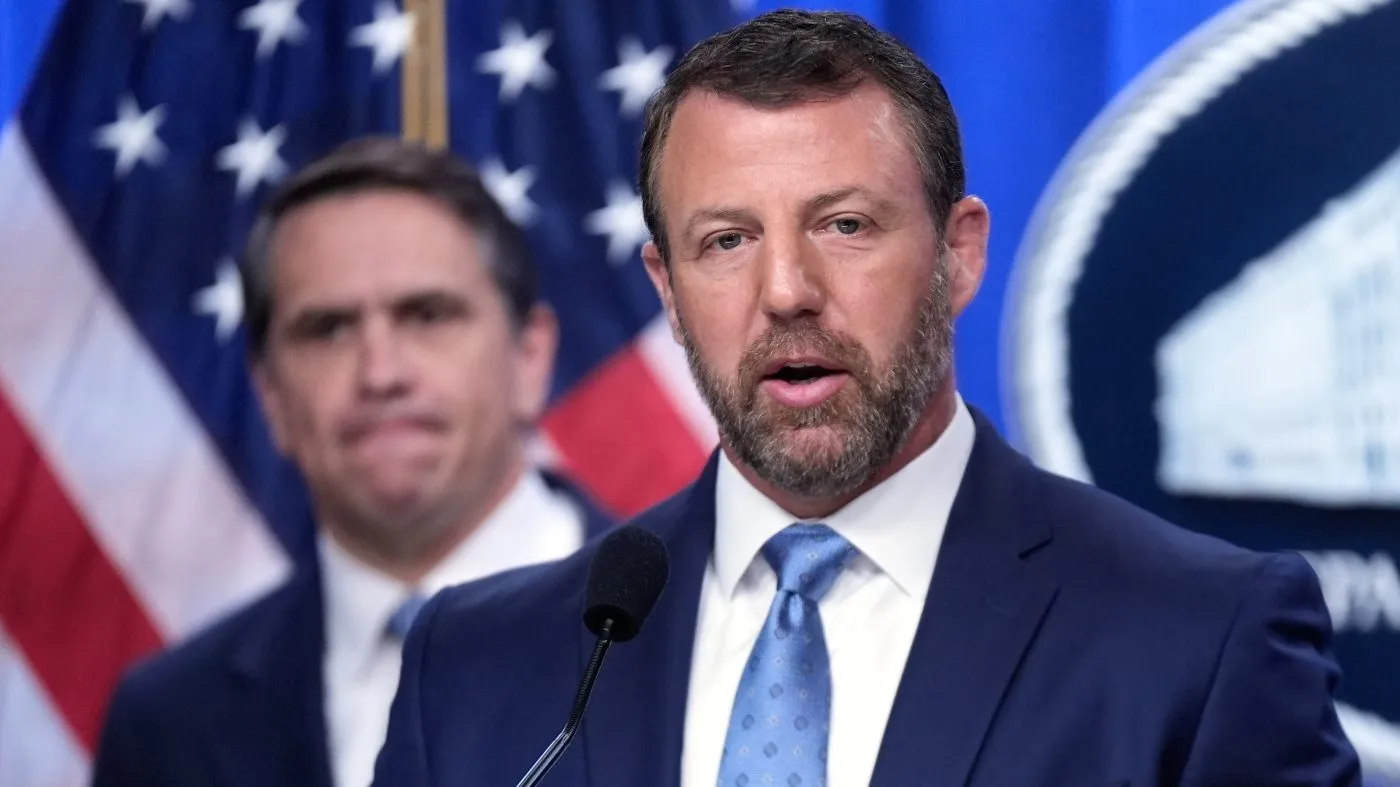
DHS Secretary Markwayne Mullin, who assumed his role earlier this year, praised the collaboration between U.S. Immigration and Customs Enforcement (ICE) and the Department of Health and Human Services (HHS) in locating the children. He also vowed to target the networks behind the human smuggling rings, stating that those involved would face legal consequences. Mullin’s comments reflect a growing frustration with the previous administration’s approach to border security, which he claims allowed the trafficking of minors to escalate unchecked.
Blanche further explained that the criminal sponsors often worked in tandem with Mexican drug cartels to facilitate the movement of children across the border. These individuals, referred to by federal prosecutors as “super sponsors,” were accused of creating false narratives to gain custody of the minors. They would fabricate identification documents and claim familial ties to the children, even when they had no such connections. This deception enabled the smuggling of hundreds of thousands of minors into the U.S., many of whom were subjected to multiple instances of abuse.
The acting attorney general also announced the indictment of three Guatemalan nationals in Ohio, who were charged with operating as super sponsors. These individuals allegedly played a role in over a dozen cases of minor smuggling, linking them to a significant portion of the trafficking network. Blanche emphasized that the Justice Department (DOJ) is currently monitoring 15,500 such cases, indicating the scale of the problem and the ongoing investigation into its root causes.
Blame Directed at Biden Administration
Mullin directly attributed the surge in child trafficking to the Biden administration, calling the situation “horrific” and accusing the previous government of “true neglect at best and criminal at worst.” He argued that the administration had failed to safeguard the borders, allowing unvetted sponsors to take custody of the children without proper oversight. This critique aligns with his broader narrative that the Biden team turned a blind eye to the criminal activities of migrants, particularly those involved in trafficking.
Additionally, Mullin highlighted that his predecessors neglected to conduct wellness checks on the children once they were placed under the care of sponsors. He described this omission as a critical failure, which left the minors vulnerable to harm. The DHS chief expressed confidence that agencies like ICE and its Homeland Security Investigations (HSI) unit, along with Customs and Border Protection (CBP), have been instrumental in recovering the missing children. He noted that the department is also investigating claims of sexual abuse, which have reportedly occurred approximately 600 to 700 times.
Mullin further claimed that one-third of the girls smuggled into the U.S. had likely been assaulted before reaching the southern border. This statistic underscores the severity of the trauma experienced by many of the children. “If you can’t stand for law enforcement to go find these kids, who are you?” Mullin challenged reporters, reinforcing his argument that the current administration is taking decisive action to rectify the previous neglect.
The Trump administration has been particularly focused on identifying and rescuing these minors, with Mullin asserting that most of them are found in “sanctuary” cities. These cities, he argued, have been under constant scrutiny for their leniency toward undocumented immigrants, which he believes has allowed criminals to operate with impunity. Mullin specifically targeted New York Mayor Zohran Mamdani (D) for restricting federal immigration agents from entering the city, accusing him of aiding and abetting traffickers.
White House border czar Tom Homan echoed Mullin’s concerns, stating that he would deploy additional ICE officers to enforce immigration laws in cities like New York. Homan blamed Governor Kathy Hochul of New York for not cooperating fully with federal efforts, highlighting the tension between state and federal authorities in addressing the crisis. While no definitive timeline was provided, Homan’s pledge signals a commitment to intensifying enforcement actions against those who have exploited the system.
As the investigation into the trafficking network continues, officials are urging the public to support the efforts of law enforcement agencies. The focus remains on ensuring that these children are not only located but also protected from further harm. With the stakes high, the Trump administration’s approach is seen as a critical step toward resolving the ongoing issue of unaccompanied migrant minors in the United States.
“When the government fails to protect our borders, it is the most vulnerable who suffer,” Mullin told reporters during the press conference. His statement encapsulates the administration’s determination to address the systemic failures that have left so many children in peril.
The ongoing efforts to track and rescue these minors have sparked debates about the effectiveness of current policies and the need for comprehensive reforms. While the DHS and DOJ continue to work on locating the children, the political divide remains a significant factor in the response to the crisis. As the situation evolves, the focus will likely remain on both the immediate rescue operations and the long-term strategies to prevent future exploitation of migrant children.